
Open 24/7! Servicing all of Sydney’s Eastern Suburbs
Our Average Response time is: 1hr 53min 47sec
No one wants to be caught without hot water, but when it's time to replace your system you need to know how much to budget for. The cost of installing a new hot water system in Australia varies widely depending on the type of system you choose, its size, and the complexity of the installation.
While some systems (like electric hot water heaters) are the most affordable to install upfront other options (like heat pumps) can offer significant long-term energy savings. In many cases, government rebates can also help reduce the initial investment too. The right choice ultimately comes down to your budget, household size, energy usage and long-term running costs.
In this guide, we'll break down hot water system installation costs by system type, explain the factors that influence pricing, outline what's typically included in a professional installation quote, and explore available rebates to help you make an informed decision before replacing or upgrading your hot water system.
If you've started comparing hot water system quotes, you've probably noticed the prices can vary dramatically. That's because every installation is different, and several factors determine what you'll actually pay.
The type of hot water system you choose will have one of the biggest impacts on the overall cost. Electric storage systems are usually the most budget-friendly option upfront, while gas continuous flow, heat pump and solar systems typically come with a higher initial price tag.
That said, a higher upfront cost doesn't always mean a more expensive system long term. Energy-efficient options like heat pumps and solar systems can help reduce ongoing energy bills and may also qualify for government rebates.
The right hot water system size depends on how many people live in your home and how much hot water you use each day. A larger family may need a bigger storage tank or a higher-capacity continuous flow system, which can increase the purchase and installation cost.
Choosing the right size is important. A system that's too small may leave you running out of hot water, while one that's too large could mean you're paying more than necessary.
Some installations are straightforward, while others require additional work before your new system can be connected. Replacing an old unit with a similar model in the same location is usually the simplest and most affordable option.
However, costs can increase if you're changing system types or relocating the unit. For example, switching from electric to gas may require a new gas line, while installing a heat pump may require additional space, drainage or a suitable outdoor base.
Additional work may include:
💡The more changes required, the more time and materials are involved.
Your home's current setup can make a big difference to installation costs. Newer homes may already have the necessary connections in place, while older properties may need upgrades to bring the system up to current safety and compliance standards.
Depending on your installation, this may include adding components such as tempering valves, pressure limiting valves or isolation valves to ensure your system operates safely and meets Australian requirements.
Professional installation involves more than simply connecting a new unit. Your plumber needs to assess your home, complete the installation safely and ensure everything is working correctly.
Labour costs will depend on the complexity of the job, how long the installation takes and whether additional licensed trades, such as electricians or gas fitters, are needed. Emergency or after-hours replacements may also come with additional fees.
The easier your hot water system is to reach, the quicker and more straightforward the installation is likely to be. Difficult access areas, such as tight cupboards, apartment buildings, roof spaces or properties with long pipe runs, can add extra time and labour to the job.
When replacing an existing hot water system, your old unit will usually need to be disconnected, removed and disposed of properly. Many plumbers include this in their installation quote, but it's always worth confirming before booking. Larger storage tanks or older systems may involve additional disposal costs depending on the requirements.
Choosing an energy-efficient hot water system could help reduce your upfront costs through available government rebates and incentives. Heat pumps and solar hot water systems, in particular, may be eligible for financial support depending on your location and the current programs available.
Before choosing your new system, it's worth checking what rebates you may qualify for or asking your plumber if they can help guide you through the process.
The type of hot water system you choose will have the biggest impact on both your upfront installation cost and your long-term running expenses. While electric systems are generally the most affordable to install, investing more upfront in a heat pump or solar system can significantly reduce your energy bills over time.
| Hot Water System | Typical Installed Cost | Running Costs | Best Suited For | Key Considerations |
| Electric Storage | $1,000–$3,000 | High | Apartments, smaller households and like-for-like replacements | The most affordable system to buy and install, making it a popular choice for budget-conscious households. It's also one of the quickest and easiest systems to replace. However, because it continuously heats and stores water, it typically has the highest running costs over time. |
| Gas Storage | $2,000–$3,000 | Medium | Homes with an existing natural gas connection | A cost-effective option if your home already has gas connected. Gas storage systems generally cost less to run than electric storage systems while providing a reliable supply of hot water. |
| Gas Continuous Flow | $1,500–$5,500 | Medium-Low | Larger households, high hot water demand and homes with limited space | Heats water only when you need it, eliminating the energy losses associated with storing hot water. Ideal for busy households, but installation costs can increase if new gas lines or upgrades are required. |
| Heat Pump | $2,500–$8,500 | Low | Energy-conscious households looking to reduce electricity bills | One of the most energy-efficient hot water systems available, using heat from the surrounding air instead of generating it directly. While the upfront cost is higher, lower running costs and available government rebates can make it an excellent long-term investment. |
| Solar Hot Water | $4,500–$8,000+ | Very Low | Homes with good roof access seeking maximum long-term savings | The highest upfront investment, but also the lowest ongoing running costs. Solar collectors provide most of your hot water, while an electric or gas booster ensures reliable performance during cloudy weather. Government rebates may help offset the initial installation cost. |
Not sure which system suits your household? Book a free site assessment and Plumberoo will size and quote your installation. Call (02) 9191 8787.
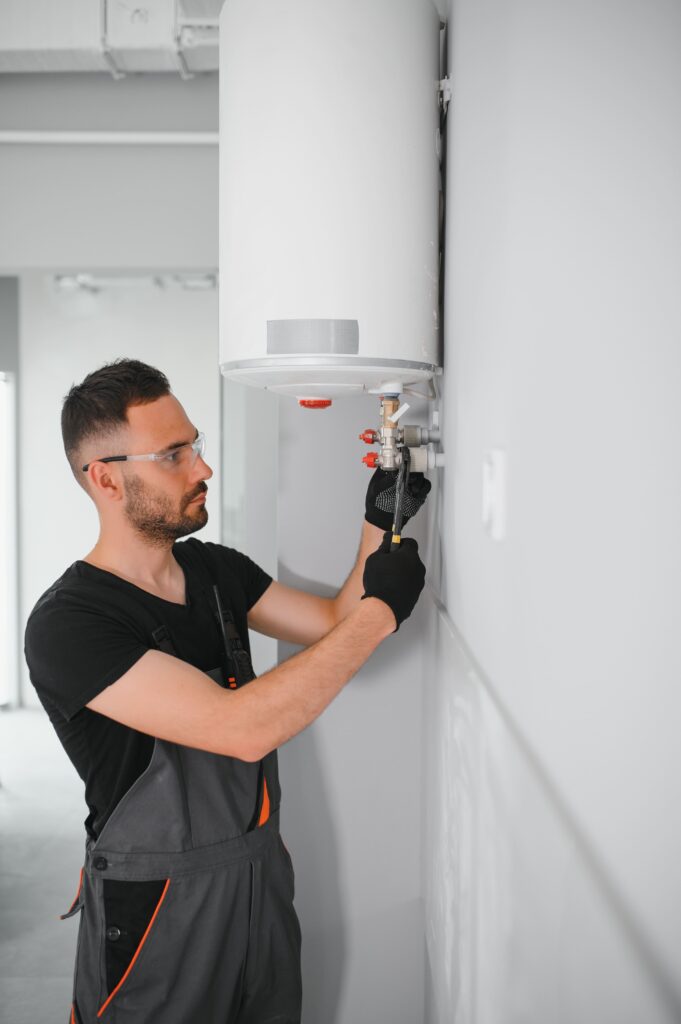
If you're installing an energy-efficient hot water system, such as a heat pump or solar hot water system, you may be eligible for government rebates that can reduce the upfront installation cost. In many cases, eligible NSW households can access both federal and state incentives, making these premium systems much more affordable than their initial price suggests.
The Australian Government's Small-scale Renewable Energy Scheme (SRES) provides financial incentives for eligible heat pump and solar hot water systems through Small-scale Technology Certificates (STCs).
Rather than applying for the rebate yourself, the value of these certificates is usually applied by your installer as an upfront discount on your quote, reducing the amount you pay before installation.
The number of STCs available depends on factors such as:
In addition to the federal STC scheme, eligible NSW households may also qualify for discounts through the NSW Energy Savings Scheme (ESS) when upgrading to a more energy-efficient hot water system.
| Upgrade | Potential Rebate |
| Replace an electric water heater with a heat pump | Up to $640 |
| Replace a gas water heater with a heat pump | Up to $330 |
| Replace an electric water heater with a solar hot water system (electric booster) | Up to $900 |
| Replace a gas water heater with a solar hot water system (gas booster) | Up to $550 |
Rebate amounts are indicative only and can vary depending on your postcode, the installer you choose and the eligible system installed.
Read our complete Heat Pump Hot Water Systems guide to learn how they work, how much they cost, what rebates you could be eligible for and whether they're the right choice for your home.
When your hot water system starts playing up, the biggest question is whether it's worth repairing or if it's time for a replacement. The answer depends on the age of your system, the type of fault and how much the repair is likely to cost.
A hot water system repair is often the most cost-effective solution if your hot water system is relatively new and the problem is isolated to a replaceable component.
In many cases, it's worth repairing your system if:
A professional plumber can quickly diagnose the fault and advise whether a repair is likely to restore reliable performance.
If your hot water system is nearing the end of its lifespan or repairs are becoming more frequent, replacement is often the smarter financial decision.
You should consider replacing your system if:
Installing a new, energy-efficient system may cost more upfront, but it can improve reliability, reduce running costs and provide greater peace of mind for years to come.
Read More: Burst Hot Water System? Here's What To Do
Whether you're repairing or replacing your system, choosing the right size is just as important as choosing the right type. A system that's too small can leave your household without enough hot water during busy periods, while an oversized system may use more energy than necessary by heating water you don't need.
| Household Size | Recommended System |
| 1–2 people | Small storage tank or compact continuous flow system |
| 3–4 people | Medium-capacity storage system or continuous flow unit |
| 5+ people | Large storage tank or high-capacity continuous flow system designed for multiple simultaneous users |
Not Sure What Size Hot Water System You Need? Read our Hot Water System Sizes guide to find the right capacity for your household and avoid paying for more hot water than you need.
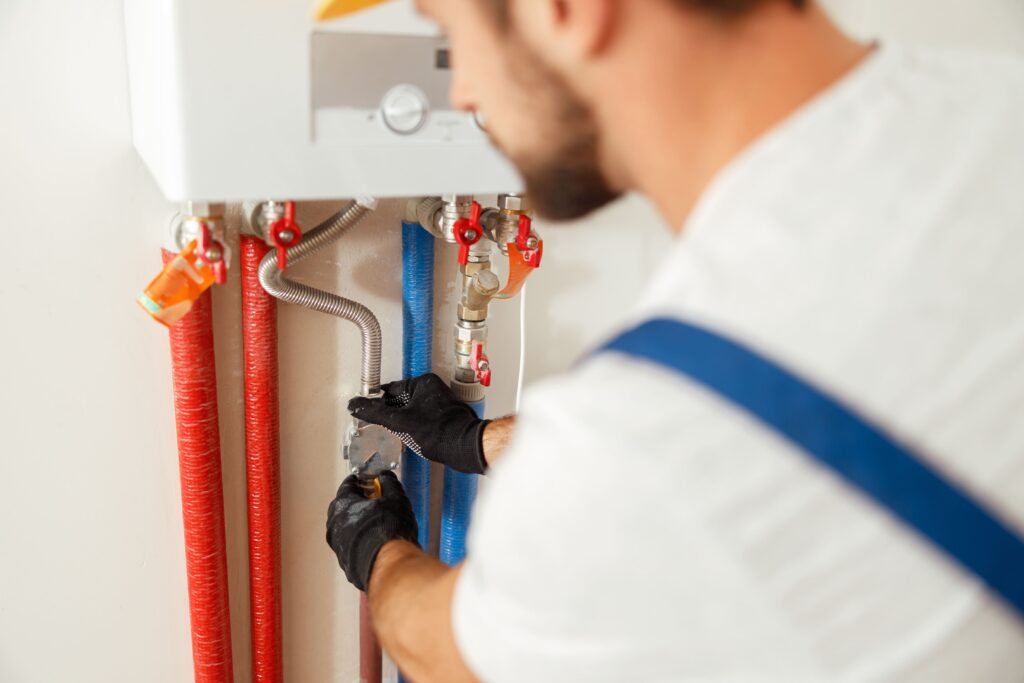
Not all installation quotes are created equal. While it can be tempting to choose the cheapest option, a lower price doesn't always mean better value. A comprehensive installation quote should cover everything required to safely install your new hot water system and ensure it complies with Australian standards.
| Standard Inclusions | Items That Can Add To The Quote |
| Supply and delivery of the new unit | New gas line where none exists |
| Removal and compliant disposal of the old system | Roof penetrations for solar collectors |
| Connection to existing plumbing, gas or electrical | Extended pipework for a relocated unit |
| Tempering and isolation valves where required | Drainage connection for heat pump condensate |
| Compliance certificate and commissioning | Electrical or gas capacity upgrades |
Some installation components aren't optional, but are required by law. For example, if your existing system doesn't meet current plumbing regulations, your installer may need to fit items such as a tempering valve, isolation valves or other safety devices to ensure the installation complies with Australian Standards. While these additions may increase the upfront cost, they're essential for the safe operation of your hot water system and help protect your manufacturer's warranty.
When comparing installation quotes, look beyond the total price. A detailed quote should clearly outline:
A transparent, itemised quote makes it much easier to compare installers and gives you confidence that there won't be any unexpected costs once the installation is underway.
The cheapest hot water system isn't always the most cost-effective, and the most expensive isn't always the best fit. The right choice comes down to balancing your upfront budget with your household's hot water needs, energy efficiency goals and long-term running costs.
Whether you're replacing a failed system or planning an upgrade, understanding what's included in the installation cost, and comparing complete, like-for-like quotes, will help you avoid unexpected expenses and choose a system that delivers reliable performance for years to come.
If you're ready to install a new hot water system, our Plumberoo plumbers can recommend the best option for your home, explain any available rebates and provide a transparent quote with no hidden surprises. A little expert advice now can help you save money and enjoy dependable hot water well into the future.