
Open 24/7! Servicing all of Sydney’s Eastern Suburbs
Our Average Response time is: 1hr 53min 47sec
When something goes wrong with your drains, the real problem is usually out of sight, and that’s exactly what makes it so frustrating to diagnose.
That’s where CCTV drain camera inspections come in. Instead of relying on guesswork or invasive digging, this method allows a licenced plumber to see directly inside your pipes and identify the cause of the problem in real time. It’s a precise, non-invasive way to diagnose issues at the source and avoid unnecessary repairs or disruption. For homeowners dealing with recurring blockages, unpleasant odours, or slow-draining fixtures, an inspection is often the quickest way to get clarity on what’s happening beneath the surface.
In this article, we’ll explore what CCTV drain inspections can uncover, when they’re the right solution, and what typically happens once the issue has been identified.
A CCTV drain camera is a waterproof HD camera mounted on a flexible cable (push-rod system) or, for larger commercial pipelines, a self-propelled crawler unit. The plumber feeds it into your drainage system through an existing cleanout or access point.
As it travels through the pipe, it transmits a live, real-time image to a monitor above ground. The plumber watches the footage as it happens and can locate the camera's exact depth and position from the surface using a locator device.
✅ Because the camera is fed in through an access point that already exists, there is no need to dig up your lawn, driveway, or garden to carry out the inspection. The process is non-invasive by design.
Most residential sewer and stormwater inspections use push-rod cameras with built-in lighting that handles standard pipe sizes (50mm to 225mm). Larger commercial or civil drainage systems may use remotely operated crawler cameras for pipes too wide for a push rod to traverse effectively.
The footage is recorded throughout, and the plumber uses it to produce a condition report that documents what was found, where it sits inside the pipe (depth and distance from the access point), and what your repair options are.
Anything visible inside the pipe that a standard building inspection would never detect. In practice, the most common findings fall into four categories.
Tree roots are the leading cause of recurring blocked drains in Sydney, particularly in older suburbs with established trees and ageing clay or concrete pipes. Roots follow moisture and can work their way through hairline cracks or loose pipe joints. Once inside, they grow and branch out, catching debris with every flush. The camera shows exactly where the roots have entered, how far they extend, and how dense the intrusion is. That information tells the plumber whether root cutting and hydro-jetting will solve it, or whether the pipe itself needs relining.
Older terracotta and concrete pipes are brittle. Ground movement, soil pressure, vehicle loading, or decades of root intrusion can cause them to crack, fracture, or fully collapse. You will not see any of this from the surface, and a simple drain-clearing job will not fix it. The camera makes it visible. A clear image of a cracked pipe also tells the plumber exactly how much of the run is affected, which determines whether a sectional relining job or a full pipe replacement is the more practical and cost-effective option.
In kitchen drain lines and commercial grease traps, accumulated fat, oil, grease, and food particles narrow the internal bore of the pipe over time. The camera captures this build-up as a visible restriction on the live feed.
Foreign objects (wet wipes, sanitary products, broken pipe fragments, and, more often than you would think, children's toys) also show up clearly. Misaligned joints and bellied pipe sections (where a pipe sags and allows water to pool rather than drain away) are also identified at this stage.
CCTV drain cameras give a clear picture of the pipe's interior condition, but they are a visual diagnostic tool, not a pressure or leak detection device. Very minor seeping behind a pipe wall that has not yet caused internal damage may not be visible on the footage. Completely collapsed or fully blocked sections can also restrict camera travel, which means the inspection may only capture part of the run. Your plumber will flag this where it applies.
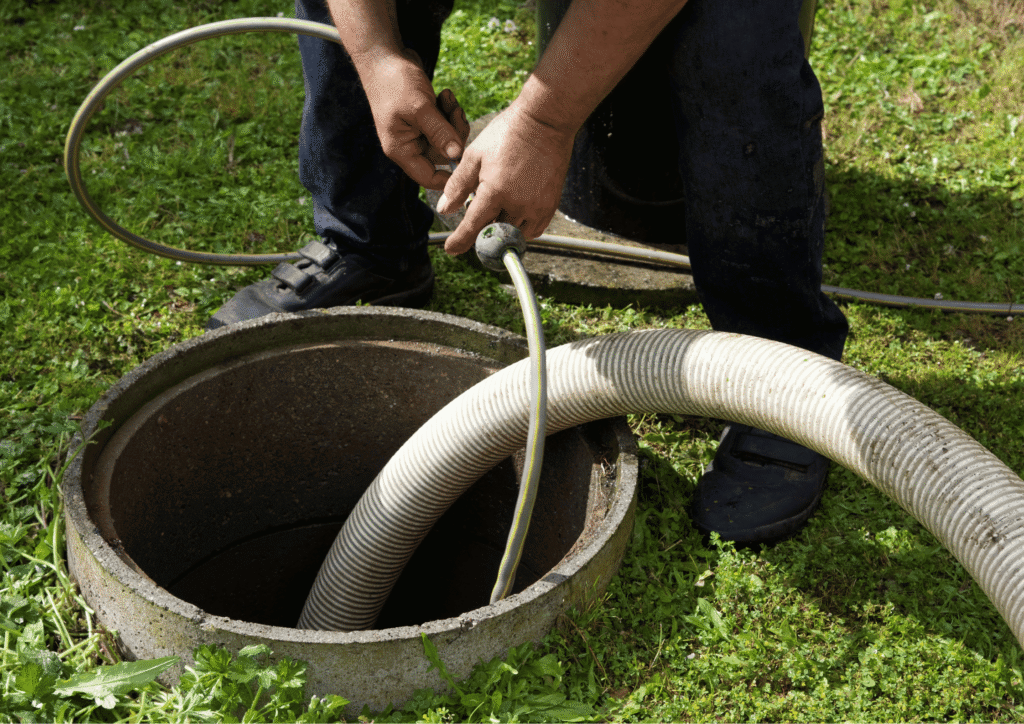
A drain cleaning service (hydro-jetting, electric eel, or a manual snake) clears a blockage. A CCTV drain inspection identifies what caused it.
Both are often used together.
Clearing a blockage without knowing why it occurred is a short-term fix. If the cause is a fractured pipe, misaligned joint, or established root network, the blockage will return. The inspection gives you the diagnosis so that the repair addresses the actual problem, not just the symptom.
Many plumbers use the camera before and after a clearing job. The pre-clearing footage shows the cause. The post-clearing footage confirms the pipe is fully clean and the cause has been addressed. If the camera reveals structural damage after clearing, the plumber can quote for relining or repair on the same visit.
Not every blocked drain needs a camera inspection. A first-time kitchen sink blockage from grease build-up usually responds to a hydro-jet clean without any further investigation. But there are six situations where booking a CCTV inspection is the right call.
A standard residential CCTV drain inspection typically takes between 30 and 60 minutes, depending on the length of the drainage system and whether multiple access points need to be assessed.
Here’s what the process usually looks like:
The cost of a CCTV drain camera inspection can vary depending on the property and the complexity of the drainage system. In most cases, pricing is influenced by how accessible the pipes are, how extensive the inspection needs to be, and whether additional work is required to properly assess the issue.
If the drainage system has a clear, easily accessible entry point, the inspection is typically quicker and more straightforward. However, where access needs to be created or located, or where multiple sections of pipe need to be inspected, the cost will generally be higher. Larger or more complex systems, such as those in commercial or multi-dwelling properties, may also require additional time and equipment.
In some cases, a CCTV inspection is carried out alongside a blocked drain service to confirm that the issue has been fully resolved. When this happens, the inspection may be included in the overall service or offered at a reduced rate.
💡Because every situation is different, many plumbing providers will assess the issue first and provide a clear, upfront quote before any work begins.
Not every inspection uncovers a problem. If the camera comes back with a clean result, you have peace of mind and a baseline footage record that is useful for future maintenance planning or insurance documentation. That is a good outcome.
If the inspection does find something, repair options fall into three broad categories depending on what the footage shows.
Recommended Read: Is Pipe Relining Worth It?
Recommended Read: The Average Cost of a Pipe Replacement
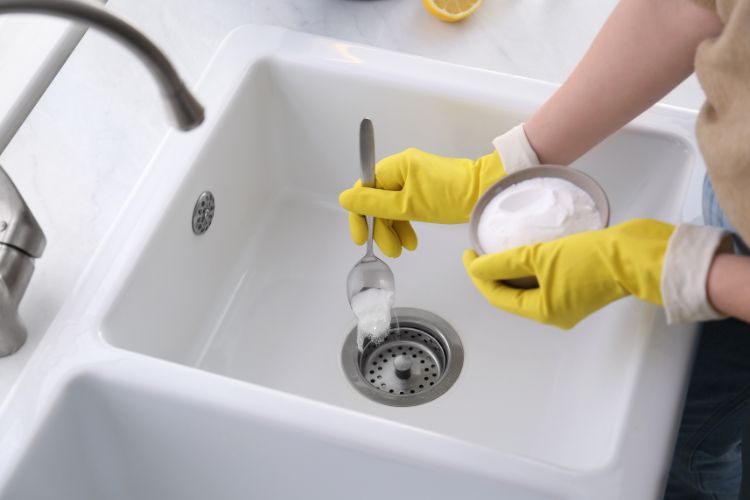
If your inspection comes back clean, a few basic habits go a long way toward keeping it that way.
Older Sydney properties with original clay or terracotta pipes benefit from a proactive inspection as part of their regular maintenance schedule. The footage from each inspection gives you a documented baseline, making it easier to track how the pipes are ageing over time and plan repairs before they become emergencies.
When drainage issues are hidden underground, it’s easy to rely on guesswork, but and that often leads to unnecessary costs, repeated problems, or temporary fixes that don’t last. CCTV drain inspections remove that uncertainty by showing exactly what’s happening inside your pipes, so decisions can be made with confidence.
Whether you’re dealing with ongoing blockages, planning preventative maintenance, or simply want peace of mind about the condition of your drainage system, an inspection provides clear, actionable insight without the disruption of excavation.
If your drains are blocking repeatedly, you are buying a property, or you just want to know what is going on inside your pipes, Plumberoo can arrange a CCTV drain camera inspection across greater Sydney. Call us on (02) 9191 8787 or book online.
Most residential CCTV drain inspections take between 30 and 60 minutes. The duration depends on the length of the drainage run, how accessible the cleanout is, and whether multiple sections of pipe need to be inspected. Larger commercial or strata properties with more complex drainage systems will take longer. Plumberoo aims to complete the inspection and provide a verbal summary of findings on the same visit.
Yes. Push-rod CCTV cameras are mounted on a flexible cable designed to navigate standard bends and junctions in residential drainage systems. The camera is not a rigid device. That said, extremely tight bends, collapsed sections, or pipes that are fully blocked with debris can restrict how far the camera travels. Your plumber will advise if any part of the run could not be inspected.
No. A CCTV drain inspection is non-invasive. The camera is inserted through an existing access point or cleanout, so your lawn, garden, and driveway stay untouched throughout. Excavation only becomes necessary if the inspection finds structural damage that cannot be repaired through relining, and even then the camera footage means any digging is targeted to the exact location of the problem.
In most cases, yes. A standard building and pest inspection does not cover the underground drainage system. Cracked sewer lines, established root intrusion, and collapsed pipes are common in older Sydney suburbs and can cost several thousand dollars to repair after settlement. A CCTV inspection before you exchange contracts gives you a clear picture of the pipe condition. If damage is found, you can negotiate on price or request repairs as a condition of sale.
In many cases, yes. If the inspection reveals a blockage or root intrusion that can be cleared with hydro-jetting, this can often be completed during the same visit. For repairs that require relining or excavation, the inspection provides the information needed to book a separate repair job, usually within a short turnaround. Call (02) 9191 8787 to discuss your situation and confirm availability.
For properties with older clay or terracotta pipes, or with large established trees near the sewer line, an inspection every two to three years is a reasonable maintenance interval. This catches root regrowth before it causes a full blockage and allows any developing cracks to be addressed with pipe relining rather than emergency excavation. Properties with known drainage history or previous tree root problems may benefit from annual checks.