Upfront Fixed Rate Pricing. Guaranteed!
You choose how you would like to pay to fix your plumbing!
Out of the 2000+ plumbers in Sydney and 100+ plumbing companies, we found no one advertises any fixed rate pricing upfront like us.




Before you call us, take 30 seconds and read this. Not because we don't want the call - we'll take any call - but because a real emergency needs different action from you than a problem that can wait a few hours. Here's how we triage.
Genuinely. Our 24/7 line is (02) 9191 8787. We won't talk you into an after-hours dispatch you don't need - we'll triage on the phone, give you an honest read, and book you in for the right window. Calling us at 9pm to ask "is this an emergency?" costs you nothing.
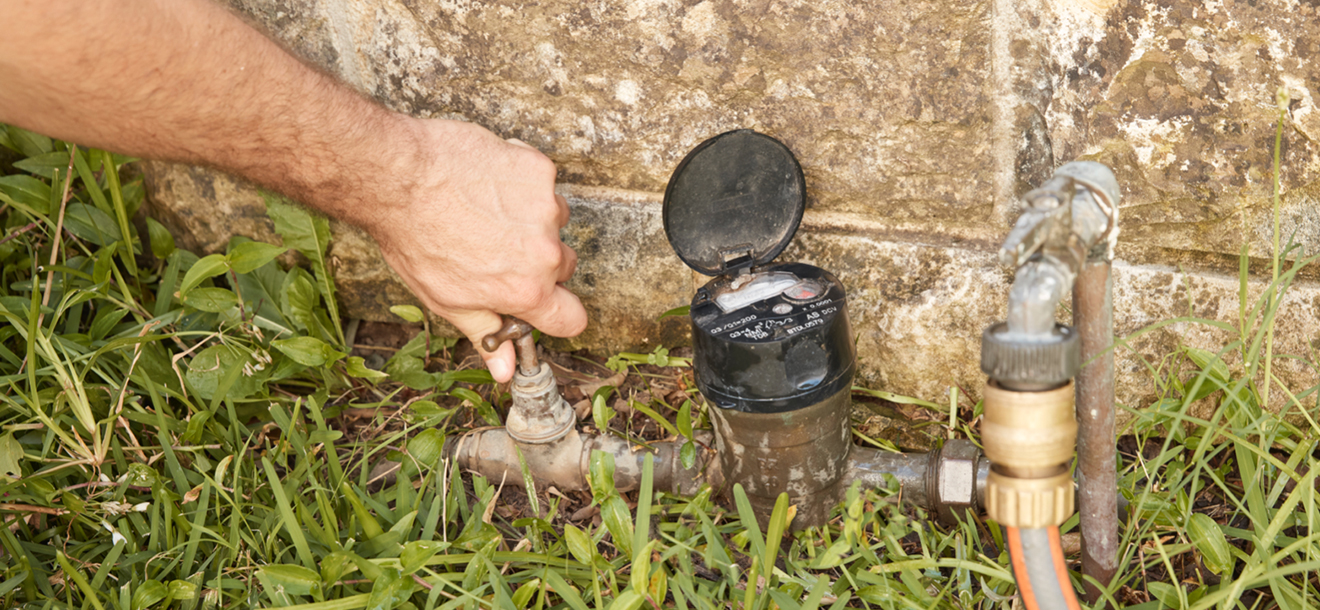
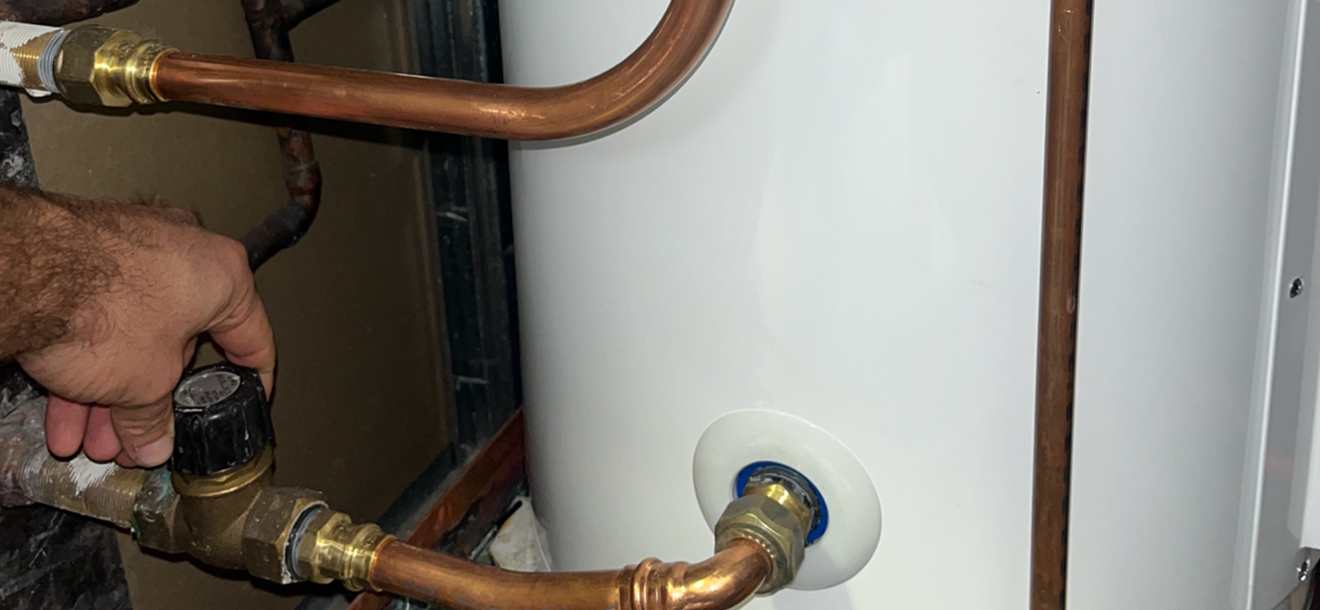
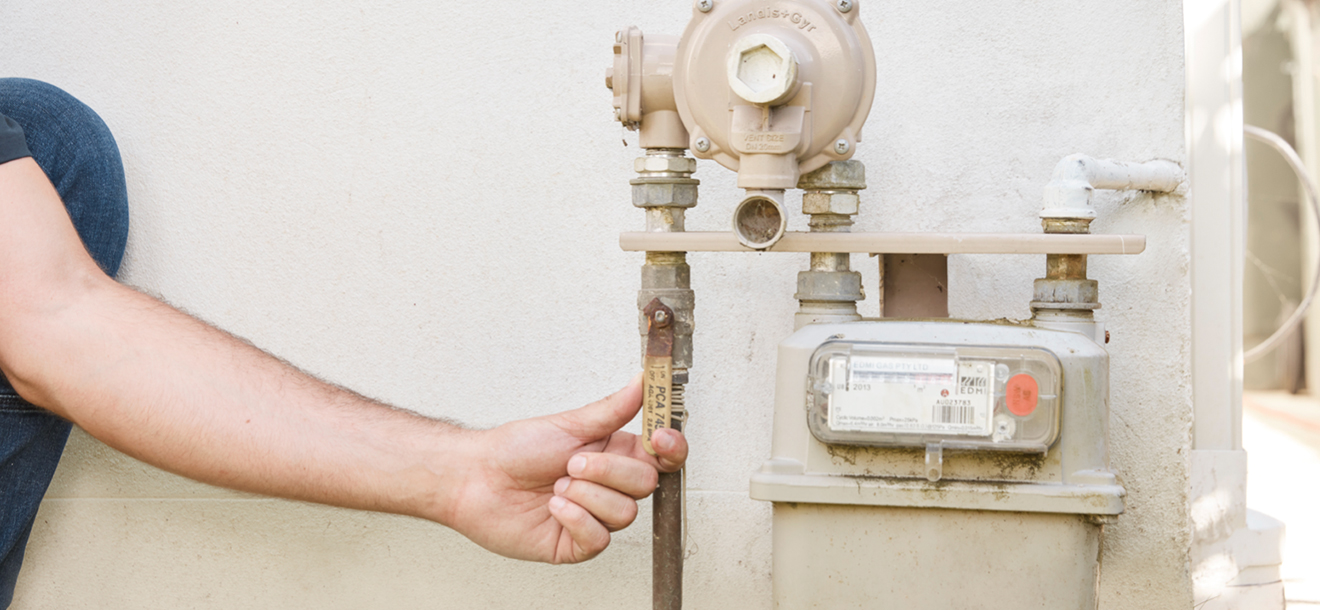
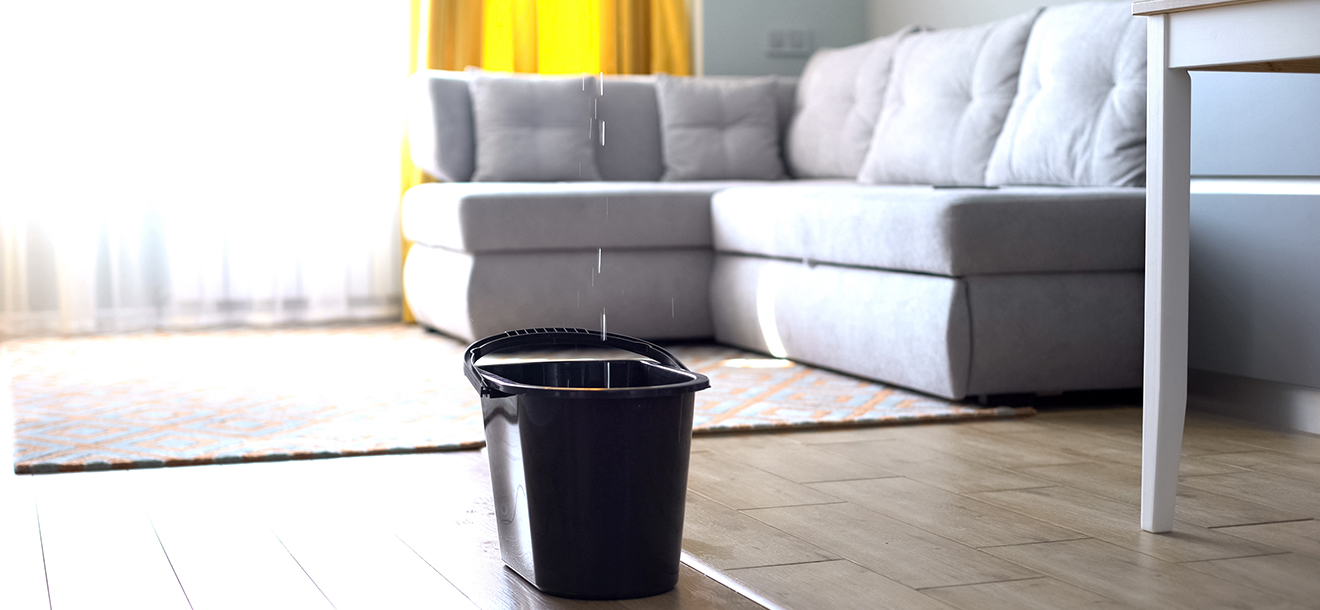

If you've got an active burst, the single most useful thing you can do before we arrive is shut off the water at the mains. Here's how, by property type.
Your mains stop valve is almost always at the front of the property, near where the water meter sits. Look for a small concrete or metal cover in the lawn or footpath, usually within 1–2 metres of the front fence. Lift the cover - the valve is a tap-handle or a square-headed spindle inside the meter box. Turn clockwise ("rightie-tightie") until it stops.
Original terraces often have the stop valve inside the front fence rather than the footpath, sometimes under the front steps or beside the front door. Some have a secondary internal stop valve in the laundry or under the kitchen sink. If the external valve is seized - common on 100-year-old fittings - the internal valve gives you a backup. Don't force a seized external valve with a wrench; you'll snap the spindle and make the leak worse.
You have your own lot stop valve, usually inside the apartment in the laundry cupboard, under the kitchen sink, or in a hallway service cupboard. It looks like a small chrome tap-handle on a pipe. Turning it off stops water to your lot only - not the rest of the building. For a building-wide problem (no water across multiple apartments), the master valve is controlled by the strata or building manager - call them, not us.
If the valve won't turn, don't force it with a spanner - you'll usually snap the spindle inside the body and create a leak that wasn't there. Use a cloth for grip, try gentle back-and-forth movement, and if it still won't move, call us. We carry the right tools to free seized valves without breaking them.

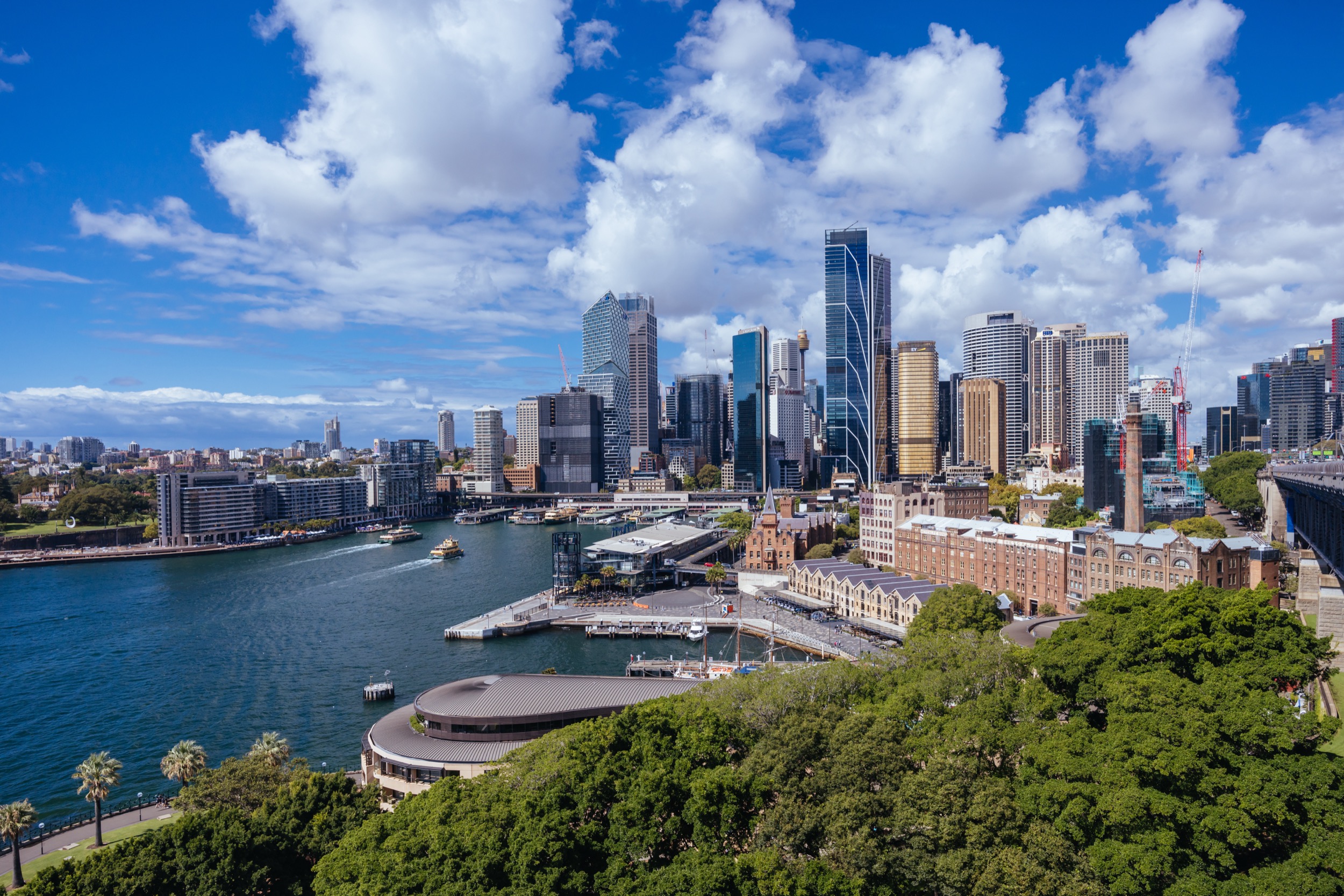
Realistic ETA estimates from our Eastern Suburbs depot. Actual response depends on traffic, time of day and where our team is working - but these are our averages over the past 12 months.
| Suburb | Average response | Typical same-day window |
| Bondi | 25 minutes | Yes - book before 11am |
| Bondi Beach | 25 minutes | Yes |
| Bondi Junction | 20 minutes | Yes - fastest in our service area |
| Bronte | 25 minutes | Yes |
| Tamarama | 25 minutes | Yes |
| Coogee | 30 minutes | Yes |
| Clovelly | 30 minutes | Yes |
| Maroubra | 40 minutes | Yes |
| Matraville | 45 minutes | Yes |
| Randwick | 30 minutes | Yes |
| Kensington | 30 minutes | Yes |
| Kingsford | 35 minutes | Yes |
| Rosebery | 35 minutes | Yes |
| Mascot | 40 minutes | Yes |
| Paddington | 20 minutes | Yes |
| Woollahra | 20 minutes | Yes |
| Bellevue Hill | 25 minutes | Yes |
| Double Bay | 25 minutes | Yes |
| Rose Bay | 30 minutes | Yes |
| Vaucluse | 30 minutes | Yes |
| Watsons Bay | 35 minutes | Yes |
| Point Piper | 30 minutes | Yes |
| Darlinghurst | 20 minutes | Yes |
| Surry Hills | 20 minutes | Yes |
| Centennial Park | 20 minutes | Yes |
| Sydney CBD | 25 minutes | Yes |
Response times are averages. We guarantee under 2 hours or the call-out fee is free. Call (02) 9191 8787 for a confirmed ETA before we dispatch.
Maybe. The answer depends on what's covered by your policy, who owns what, and how well you've documented the damage. Here's a practical overview - but always check your specific policy wording, and call your insurer before you assume something is or isn't covered.
Most home contents policies cover damage caused by a burst pipe (e.g. ruined carpet, damaged furniture, swollen floorboards). They generally don't cover the cost of the plumber repairing the burst itself - that's considered maintenance. They also typically exclude damage from a gradual leak (something that's been leaking for weeks before you noticed). The faster you act and the better you document, the cleaner the claim.
Home building insurance can cover damage to the structure (plaster, ceilings, walls, kitchen cabinetry, floor coverings) caused by a sudden burst. It generally doesn't cover the burst pipe itself. "Sudden and accidental" is the trigger phrase in most policies - gradual damage is usually excluded.
In a strata-titled apartment, the building's strata insurance covers common-property damage - but only the parts of the building owned in common. Damage to your contents, fittings, and lot-specific finishes is on you. If a shared pipe (common property) bursts and damages your lot (paint, flooring, kitchen), the strata insurance covers the source repair but your contents/lot insurance covers the lot finishes. Confusing, but worth knowing before you ring.
Christmas Day, Boxing Day, New Year's Eve, New Year's Day, Australia Day, Easter - these are the days every other plumber turns the phone off. We don't. The 24/7 line is the same line, every day of the year. A real person picks up - no after-hours diversion to a different state.
Public holiday call-outs incur the after-hours fee (same as any weekend or evening attendance). We quote the fee on the phone before dispatch. You decide whether to proceed. If you'd rather wait until the next business day for a non-emergency, we'll tell you that's the cheaper option - we don't push you into an after-hours visit you don't need.
Public holiday emergency line: (02) 9191 8787. Same line. Same plumber answering. Same under-2-hour response promise.

Most Sydney plumbers won't tell you what an after-hours call-out costs until they're already at your front door. We do the opposite. The fee gets quoted on the phone before we leave the depot. If you don't want to proceed, you hang up - there's no charge.
Never pay more than we quote - guaranteed. If the job changes mid-way (we hit a collapsed drain section, an extra valve, a corroded fitting we couldn't see), we stop, show you, and re-quote before we keep going. Your call whether to proceed.
Half the Eastern Suburbs lives in apartments. Bondi Junction, Double Bay, Rose Bay, Vaucluse and Edgecliff are dominated by walk-ups, mid-rise blocks and tower stock - and apartment emergencies follow rules single-dwelling emergencies don't. Who pays, who authorises the work, and what counts as common property change everything about how the job gets booked, billed and completed.
In a NSW strata-titled apartment, the line between lot property (your responsibility) and common property (body corporate's responsibility) usually runs at the inside face of the wall, ceiling or floor that borders your lot. That means:
This is a general rule and your specific by-laws may vary. Every strata is different. We document what we find with photos and itemised reporting so the lot owner / strata manager can resolve liability afterwards - the work itself goes ahead regardless of who ends up paying.
Genuine emergencies (active leak, gas smell, sewer overflow, no water to the building) don't wait for a strata committee meeting. We attend immediately under standard emergency-works protocols, complete the work, then provide an itemised invoice and incident report formatted for strata reporting. Strata managers we already work with across the Eastern Suburbs know the process - we can usually authorise via SMS or email within 15 minutes.
If level 3's bathroom is backing up but level 2's isn't, the blockage sits between levels 2 and 3. We use CCTV down the stack to locate exactly where - and that location decides whether it's lot property or common property, which decides who pays. Without CCTV evidence you're guessing; with it, the conversation with the strata manager is a 60-second conversation, not a six-week dispute.
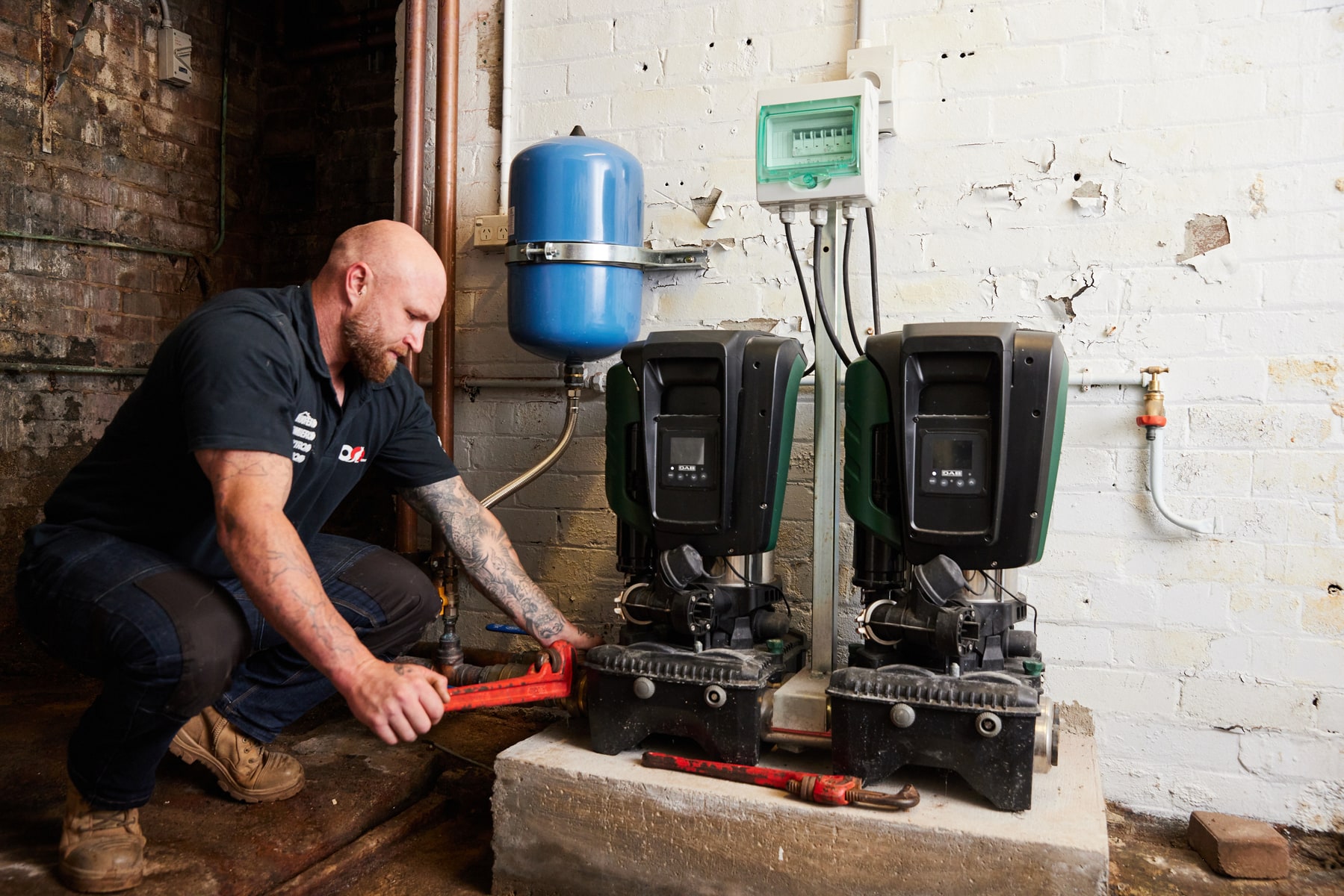
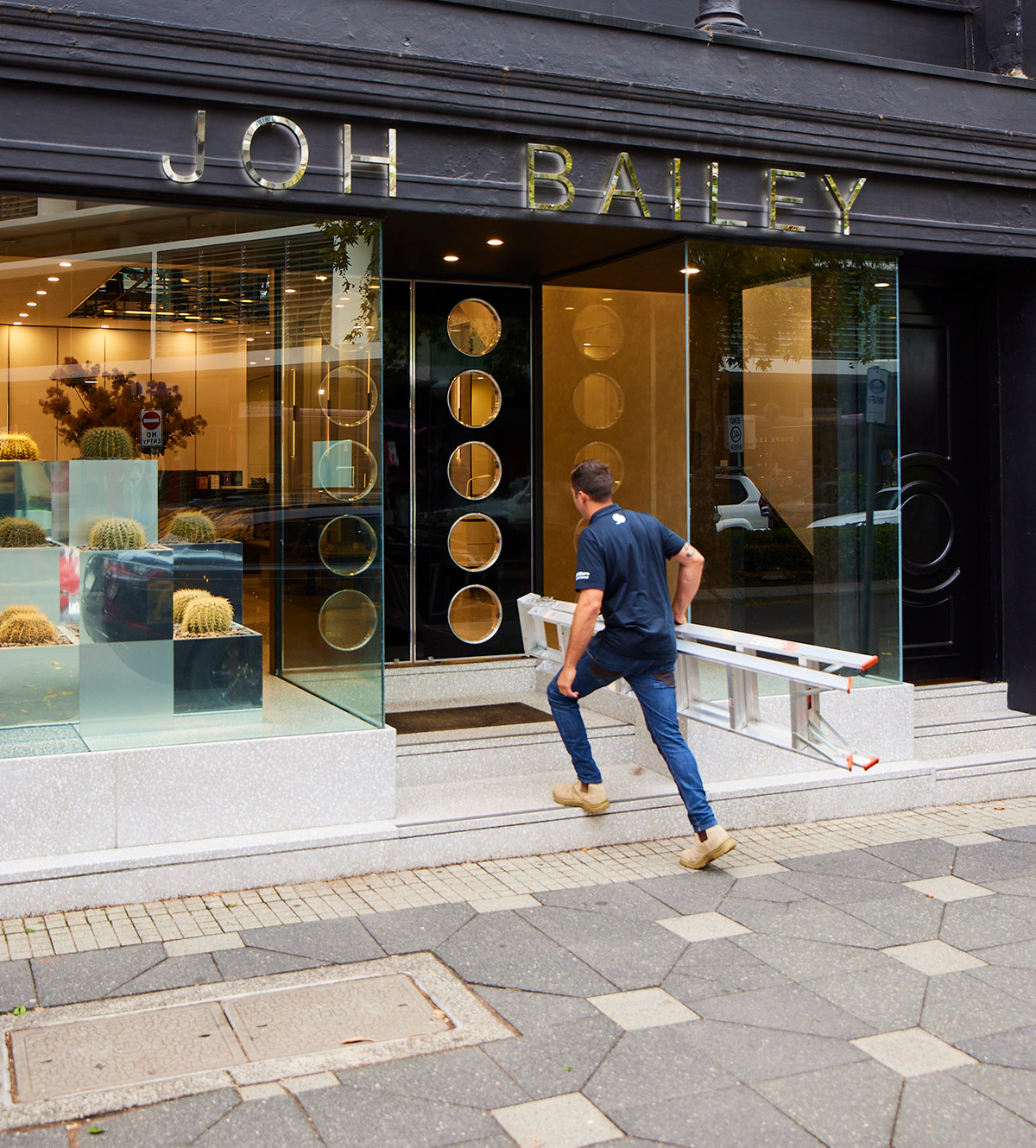
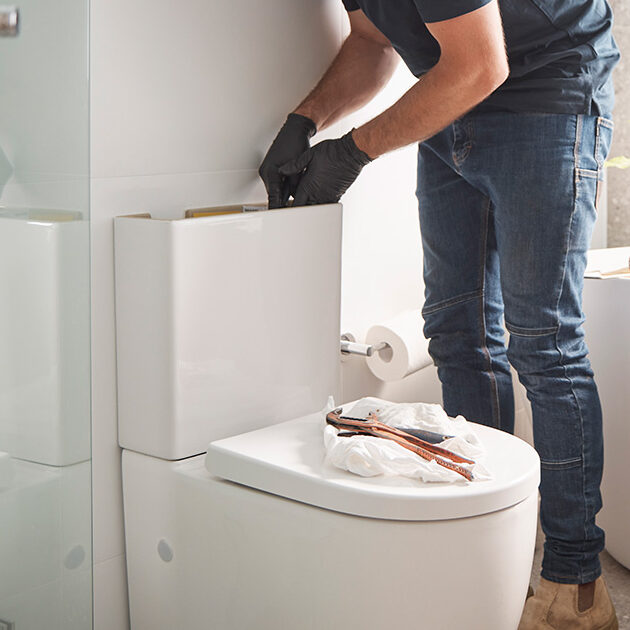
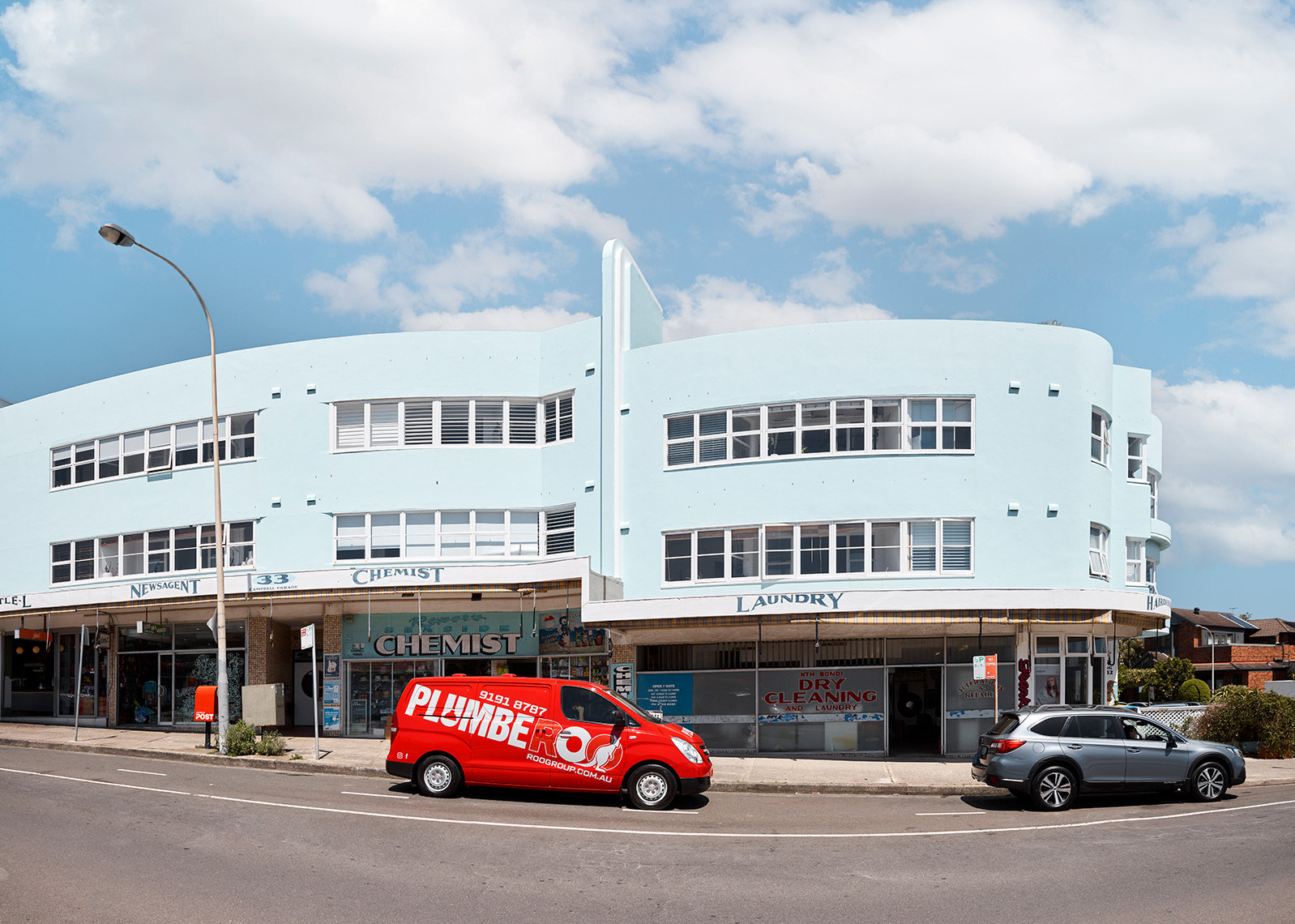
Eastern Suburbs heritage terraces don't fail the same way modern homes do. Behind the lath-and-plaster walls of a Paddington or Woollahra terrace, you often find a 1960s gentrification renovation spliced onto original 1880s service runs - galvanised iron taking over from lead, copper taking over from galv, and PVC taking over wherever the last renovation reached. When something fails, it's usually at one of those joints.
Most of Paddington, Woollahra, parts of Surry Hills and Darlinghurst sit inside Heritage Conservation Areas administered by Woollahra Council or the City of Sydney. Emergency repairs to maintain water supply or prevent damage generally don't require prior council approval - but anything that affects the front facade, externally visible pipework or original heritage materials may need notification afterwards. We document the emergency works in case the council asks later.
If the emergency turns out to be a collapsed clay drain under the front yard or the tessellated path, pipe relining is almost always the right call. Trenchless repair preserves original tile work, sandstone footings, and 100-year-old garden beds - and it's roughly 30% cheaper than dig-and-replace once you factor in restoring the surface materials.
Coastal Eastern Suburbs homes fail faster. That's not opinion - it's salt-air chemistry. Sodium chloride accelerates corrosion in copper, brass, zinc-coated steel and standard stainless. Hot water tanks burn through their sacrificial anode 30–40% faster than inland units. Brass tap bodies pit and weep at the spindle. Outdoor pipework UV-degrades on top of the salt damage. The result is more emergencies per house, per year, than anywhere else in Sydney.