
Open 24/7! Servicing all of Sydney’s Eastern Suburbs
Our Average Response time is: 1hr 53min 47sec
A leaking shower rarely starts as a major problem. It often begins with a small puddle, a damp patch, or a few drops of water that are easy to overlook. But behind those early warning signs could be a much bigger issue developing, with ongoing moisture causing damage long before the problem becomes obvious!
The key is knowing where the water is coming from. Most leaking showers come down to one of two issues: a dripping showerhead or tap caused by a worn component, or water escaping from the shower base or walls due to a sealing or waterproofing failure. While replacing a worn washer or seal may be a quick fix, a failed waterproofing system requires professional attention to prevent ongoing damage.
In this guide, we’ll cover the most common causes of leaking showers, how to identify the warning signs, which repairs you may be able to handle yourself, and when it’s time to call in a professional. We’ll also look at the potential costs involved, so you can understand your options and make an informed decision before a small leak becomes a major repair bill.
While some problems are obvious, many leaks develop slowly behind walls, under tiles, or around waterproofing layers where they can cause damage for months before the issue becomes noticeable.
Here are some signs to look for:
These signs can give you a good indication that something isn’t quite right, but they don’t always tell the full story. The next step is working out where the water is coming from, whether it’s a leaking showerhead or tap, or whether water is escaping from the shower base, tiles, or waterproofing behind the walls.
| 💧A simple water meter test can help identify whether there is an active leak somewhere on your property. Turn off all taps, appliances and water outlets, take note of your water meter reading, then check again after around an hour without using any water. If the reading has changed, it indicates water is escaping somewhere. |
Finding the source, however, requires a closer inspection. A dripping showerhead or faulty tap component may be a relatively straightforward repair, while leaks caused by failed waterproofing or damaged shower structures often require specialist repairs to prevent further damage. The sooner you identify the cause, the easier it is to prevent a small leak from becoming a major renovation project.
A dripping showerhead or tap is one of the more straightforward types of shower leaks to fix. In many cases, the issue comes down to a worn component that can be replaced relatively quickly and affordably.
Over time, the internal parts that control the flow of water can wear out and stop creating a proper seal. Traditional taps typically use a rubber washer that presses closed when the tap is turned off. After years of use, these washers can become hardened, cracked or worn down, allowing small amounts of water to leak through.
Modern mixer taps work differently and usually rely on a ceramic cartridge to control water flow. Rather than gradually deteriorating like a washer, cartridges often fail more suddenly, resulting in a noticeable drip that appears almost overnight.
Replacing a worn tap washer is usually a simple and inexpensive repair for traditional taps. Cartridge replacement can be slightly more involved, especially with wall-mounted mixers where accessing the component may require extra care to avoid damaging surrounding tiles or fittings.
If the drip is happening at the joint where the showerhead meets the arm, rather than through the head itself, the usual culprits are a showerhead that's worked loose, a worn O-ring at the fitting, or PTFE thread tape that's dried out and stopped sealing.
These are generally surface-level issues that can often be resolved by resealing the connection or replacing a worn fitting.
Sometimes the issue isn’t the tap or shower fitting itself, but the amount of pressure pushing through your plumbing system. Excessively high water pressure can put extra strain on washers, seals and cartridges, causing them to fail sooner than expected.
If your taps have a particularly strong flow, or you’ve noticed multiple fixtures around your home starting to drip, it may be worth checking your water pressure before replacing individual components. Installing or adjusting a pressure-limiting valve can help protect your plumbing fixtures and prevent recurring leaks.
If replacing the washer, seal or cartridge doesn’t solve the problem, there may be a deeper issue within your plumbing system. Rather than continuing to swap out parts and hope for the best, it’s worth getting a plumber to take a closer look and identify the real cause of the leak. This can help prevent the issue from coming back and avoid potential damage further down the track.
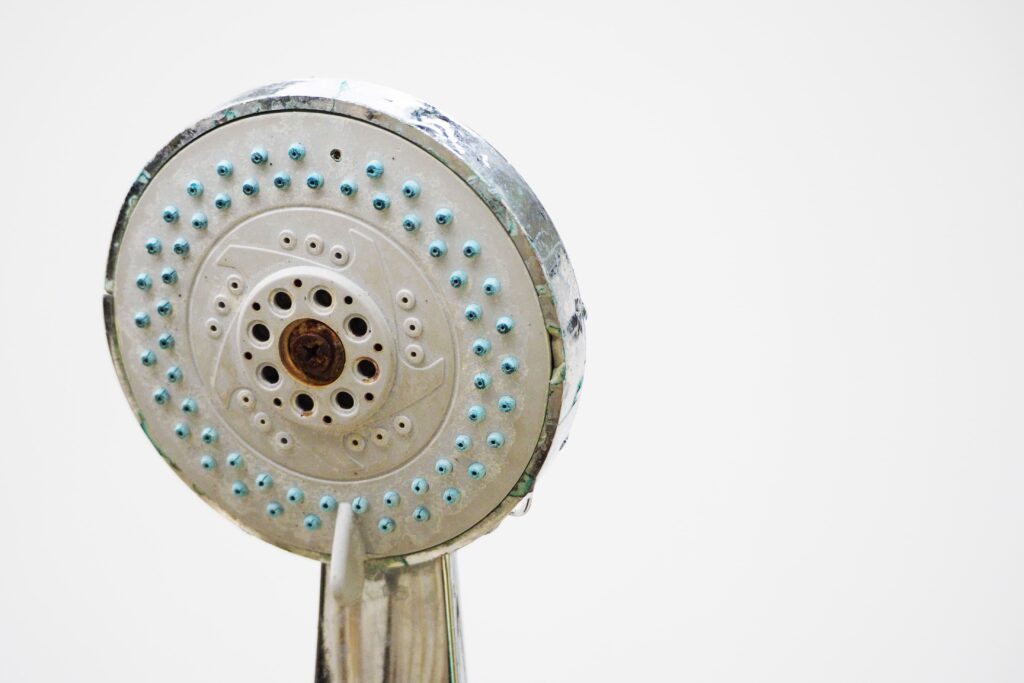
A leak coming from the shower base or walls is a very different problem to a dripping showerhead or tap. These leaks are often harder to spot because the water may be slowly travelling behind tiles, into walls, or underneath flooring before any visible signs appear. By the time you notice damp patches or damage, the underlying issue may have already been developing for some time.
Some shower leaks are caused by simple sealing issues, while others involve the waterproofing system behind your tiles and require professional repairs.
The silicone seals around your shower (shower scree, wall joins and where the floor meets the walls) play an important role in keeping water where it belongs.
Over time, silicone naturally breaks down. It can shrink, crack, become mouldy, or start pulling away from the surfaces it was designed to seal. Once gaps appear, water can seep behind the shower structure and create ongoing moisture problems.
Damaged silicone is one of the more common, and often simpler, shower leak issues to repair. Removing the old seal and applying new bathroom-grade silicone can restore the barrier and help prevent further water escape.
While grout helps keep your shower looking clean and finished, it isn’t the waterproof barrier protecting your bathroom. The waterproof membrane underneath your tiles is responsible for stopping water from reaching the structure behind the shower.
However, cracked, missing or deteriorating grout can create an easier path for water to travel behind the tiles. If these cracks have been present for a long time, moisture may already have reached the waterproofing layer underneath.
Small areas of damaged grout can sometimes be repaired or replaced, but recurring cracks or widespread deterioration may be a sign of a bigger waterproofing issue.
Behind every properly constructed tiled shower is a waterproof membrane designed to protect the walls and floor from moisture. This membrane sits beneath the tiles and acts as the final barrier preventing water from reaching the building structure.
When a waterproof membrane fails, water can seep behind tiles and into wall cavities or flooring materials. Unlike a damaged silicone seal or grout line, this isn’t something that can be fixed with a surface-level repair like resealing or regrouting.
Signs of a possible waterproofing failure include:
Ignoring these warning signs can allow moisture to continue spreading, potentially damaging timber framing, plasterboard and other structural materials. This can eventually become a much larger project involving tile removal, waterproofing repairs and rebuilding sections of the shower.
Not all shower leaks come from what you can see. Sometimes, the source of the problem is hidden behind the wall, with leaking pipes, worn connections or faulty plumbing components allowing water to escape before it ever reaches the shower floor.
A leaking pipe can be harder to identify because there may be no visible signs inside the shower itself. Instead, you might notice:
Plumbing leaks can occur due to ageing pipes, loose fittings, damaged seals, poor installation or general wear and tear over time. In some cases, the leak may only appear when the shower is running, while others can continue slowly in the background.
Because these pipes are often concealed behind walls or tiles, accurately locating the source usually requires professional leak detection. Attempting to repair a hidden plumbing issue without the right tools can lead to unnecessary damage and may only temporarily hide the problem.
Read More: How To Spot Leaks
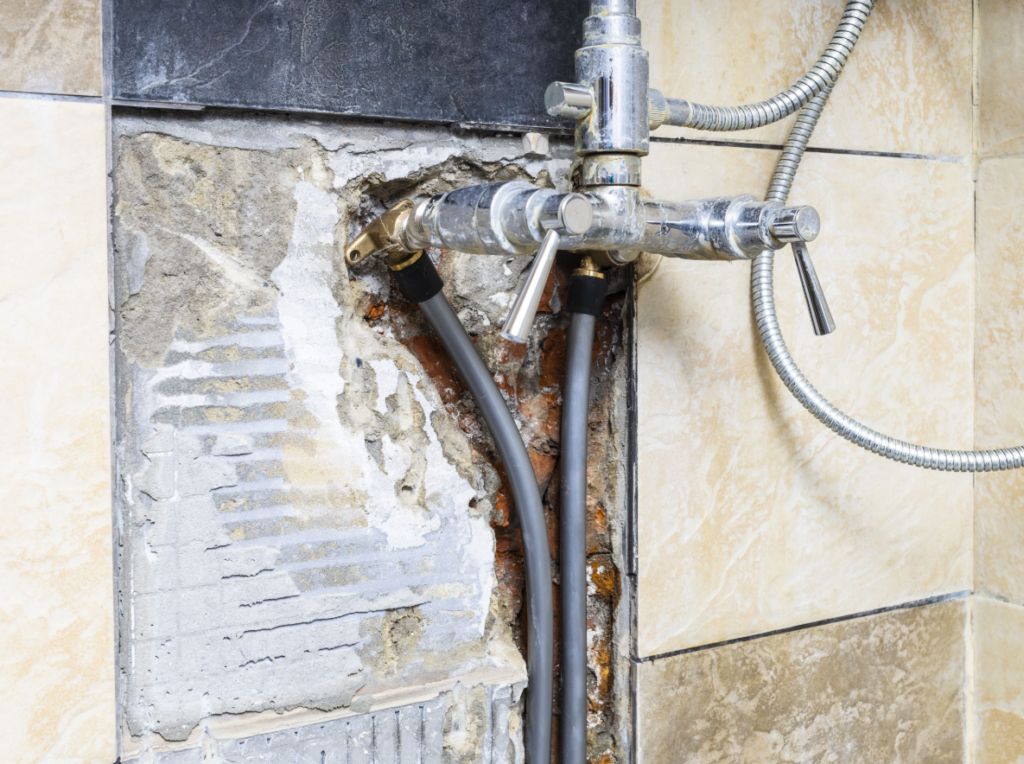
Not every leaking shower requires a call-out from a plumber. Some minor issues can be fixed with a few basic tools and a bit of DIY know-how. However, knowing where to draw the line is important. Attempting the wrong repair can sometimes make the problem worse or hide a more serious issue.
| May Be Safe to Fix Yourself | Needs an Expert |
| Replacing a tap washer on an accessible traditional tap where the issue is caused by a worn or damaged washer. | Replacing a shower cartridge, especially if it is located inside the wall cavity or requires access behind tiles. |
| Resealing visible silicone around the shower screen or wall junctions, provided the old silicone is fully removed and the surface is properly cleaned before applying new sealant. | Leaks that continue after replacing washers, seals or O-rings, which may indicate a deeper plumbing issue. |
| Repairing minor grout cracks where the tiles underneath are secure and there are no signs of movement, moisture damage or hollow sounds. | Soft, springy or hollow-sounding tiles, which may indicate water has reached the waterproofing membrane underneath. |
| Waterproofing repairs, tile removal or shower base replacement, which require specialist skills and compliance with waterproofing standards. | |
| Persistent damp patches, staining or mould on nearby walls, ceilings or floors, which may indicate hidden water damage. |
Trying to fix a shower leak yourself can be tempting, especially when it looks like a simple problem. However, some repairs can be trickier than they first appear.
For example, forcing access to a hidden cartridge could damage your tiles, while adding new silicone over an underlying waterproofing issue may only hide the problem temporarily.
If you’re not sure where the leak is coming from, it’s always better to get it checked sooner rather than later. A professional assessment can help identify the real cause, prevent further damage and make sure the right repair is completed the first time.
At Plumberoo, our team can help with everything from simple tap repairs and washer replacements through to more complex shower leaks, waterproofing issues and bathroom repairs across Sydney homes, strata properties and commercial buildings.
Read More: Signs You Need Shower Repairs
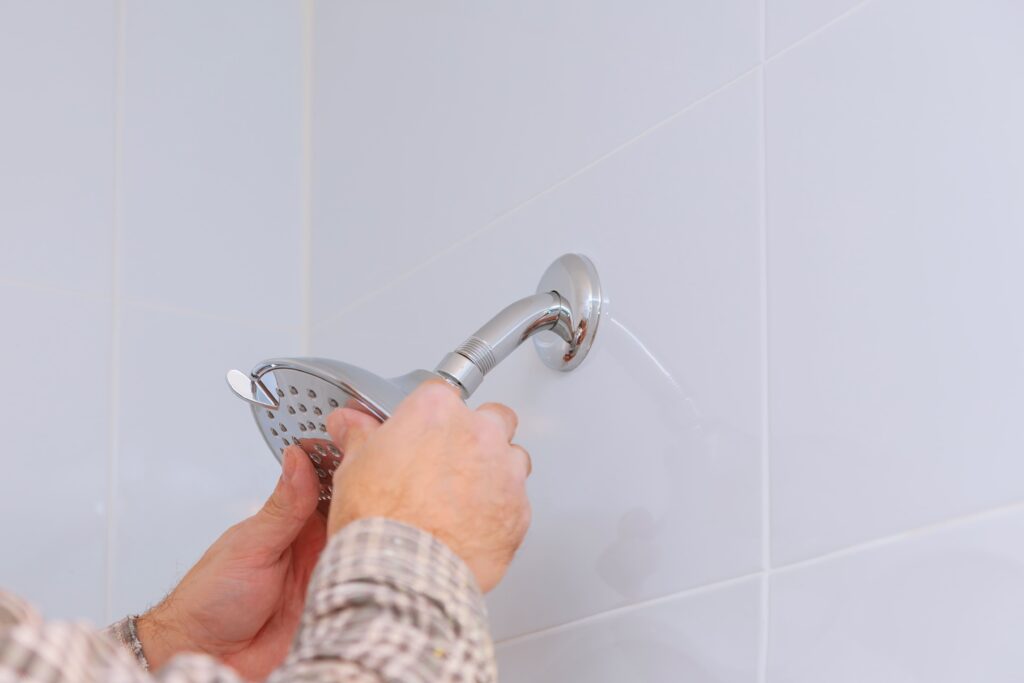
The cost of repairing a leaking shower can vary significantly depending on where the leak is coming from, how long it has been left untreated, and the extent of any damage behind the scenes. A small issue like a worn tap washer may only cost a few dollars to fix, while a failed waterproofing system can require extensive repairs involving tiles, membranes and surrounding structures.
As a general guide, shower leak repair costs in Sydney typically fall within the following ranges:
| Repair Type | Typical Sydney Market Range* |
| Tap washer or O-ring replacement (DIY) | $5 - $15 in parts |
| Cartridge replacement (licenced plumber) | $150 - $300 |
| Silicone reseal (screen and joints) | $200 - $400 |
| Regrout and reseal | $300 - $600 |
| Waterproof membrane repair (licenced waterproofer) | $1,500 - $4,000+ |
| Full strip-out and retile (major membrane failure) | $4,000 - $8,000+ |
*These are general Sydney trade price ranges only. The final cost will depend on the condition of your shower, the cause of the leak and the work required to fix it properly.
| 💡Several factors can push a repair towards the higher end of the price range. For example, costs may increase if water damage has affected the timber or materials behind the tiles, if your existing tiles are no longer available and need to be replaced, or if the shower has difficult access due to surrounding cabinetry or a shared wall. |
A leaking shower is one of those problems that can be easy to put off… especially when the signs seem minor. But left untreated, you open your bathroom (and wallet) to much bigger problems!
The key to avoiding unnecessary damage is identifying the cause early and choosing the right solution. While some minor issues can be fixed with a simple DIY repair, leaks caused by plumbing problems or failed waterproofing require professional attention to ensure they’re fixed properly.
At Plumberoo, our experienced Sydney plumbers can diagnose and repair leaking showers of all types, from small plumbing issues through to more complex waterproofing and bathroom repairs. Contact our team today to find the cause of your shower leak and get it fixed properly.
A worn tap washer or O-ring is the most common cause on traditional taps, since the seal can no longer hold once the handle is closed. On modern mixer showers, a worn ceramic cartridge is the usual cause. High water pressure can also push water past a seal that would otherwise hold. Start with a washer or O-ring check, since it's the cheapest and quickest thing to rule out.
Look for soft or springy tiles underfoot, grout that's cracked or crumbling at the floor-wall junction, mould that returns within days of cleaning, and damp patches or staining on adjacent walls or ceilings. Tap the floor tiles gently. A hollow sound means water has already worked its way underneath, and the longer it's been there, the more it's likely to cost to fix.
It depends on where the leak is. A washer, O-ring or accessible showerhead fitting is generally safe to DIY. Resealing visible silicone and regrouting solid tiles are also manageable jobs. Anything involving a cartridge inside the wall, a shower base, or signs of a failed waterproof membrane needs a licenced plumber or waterproofer.
Replacing a washer or the showerhead itself is fine as DIY. Cartridge replacement or anything inside the wall cavity should go to a licenced plumber. Waterproofing membrane work must always be carried out by a licenced waterproofer in NSW under AS 3740, and it's a legal requirement, not a preference. Unlicenced waterproofing can void home insurance and leave you without a compliance certificate.
Plumberoo works directly with strata managers across Sydney, coordinating plumbing assessments and waterproofing referrals across multiple units or common property without you having to manage separate trades for each job.