
Open 24/7! Servicing all of Sydney’s Eastern Suburbs
Our Average Response time is: 1hr 53min 47sec
When something goes wrong at home, it's easy to assume a plumber can fix it all. But when gas is involved, that's not always the case.
While plumbers and gas fitters often work side by side, they aren't the same trade. In NSW, each requires a separate licence with different qualifications and responsibilities. A licenced plumber works on your property's water supply, drainage and sewerage systems, while a licenced gas fitter is qualified to install, repair and maintain gas lines and gas appliances. Holding a plumbing licence alone doesn't automatically allow someone to carry out gas work, and the reverse is also true.
Choosing the right professional isn't just about convenience. Gas work completed without the appropriate licence can be illegal and may not be covered by a valid Certificate of Compliance if issues arise later. In some cases, such as installing a new gas hot water system, you'll need both plumbing and gas fitting expertise, ideally from a dual-licenced tradesperson who can complete the entire job safely and efficiently.
In this guide, we'll explain the key differences between plumbers and gas fitters, when you need each trade, and how to make sure you're hiring the right licenced professional for the job.
The difference between a plumber and a gas fitter comes down to more than just the type of work they do. It also comes down to licensing, safety and what they're legally allowed to work on.
A plumber deals with your home's water supply, drainage and sewerage systems, while a gas fitter is licenced to install, repair and maintain gas lines and gas appliances.
Neither licence automatically includes the other. A licenced plumber can't legally carry out gas work unless they also hold a gas fitting qualification, and a licenced gas fitter isn't qualified to perform general plumbing work. This distinction exists for good reason. Gas installations are subject to strict Australian safety standards, and every gas job must be tested and certified to ensure it's safe to use.
A plumber is a licenced tradesperson who installs, repairs and maintains the water supply, drainage and sewerage systems in and around your home. In NSW, plumbers complete a Certificate III in Plumbing, typically through a four-year apprenticeship, before obtaining a contractor licence through NSW Fair Trading.
Their work focuses on ensuring clean water flows safely into your property and wastewater flows out efficiently. From everyday maintenance to major repairs, plumbers are responsible for keeping your home's plumbing systems operating reliably.
Common plumbing jobs include:
While plumbers are highly skilled across all aspects of water and drainage systems, their licence doesn't automatically allow them to perform gas work. For example, a plumber can install the water connections to a gas hot water system, but they cannot legally connect the gas supply unless they're also a licenced gas fitter.
A gas fitter is a licenced tradesperson qualified to install, repair, service and test gas lines and gas-powered appliances. Because gas installations carry higher safety risks, gas fitting requires its own qualifications and licensing. In NSW, this means completing a Certificate III in Gasfitting and holding the appropriate contractor licence.
Gas fitters ensure every gas installation meets strict Australian safety standards and is thoroughly tested before being used. Once the work has been completed and inspected, they issue a Certificate of Compliance, confirming the installation is safe and compliant.
Typical gas fitting services include:
If you smell gas, suspect a leak or have a gas appliance that's not working correctly, a licenced gas fitter is the professional to call. Attempting gas work without the appropriate licence is not only unsafe but can also be illegal.
The one exception is a dual-licenced plumber and gas fitter. These professionals hold qualifications in both trades, allowing them to complete jobs involving both water and gas systems during a single visit.
For example, installing a new gas hot water system requires plumbing work for the water connections and gas fitting work for the gas supply. Hiring a dual-licenced tradesperson means the entire installation can be completed safely, legally and efficiently without needing to organise two separate contractors.
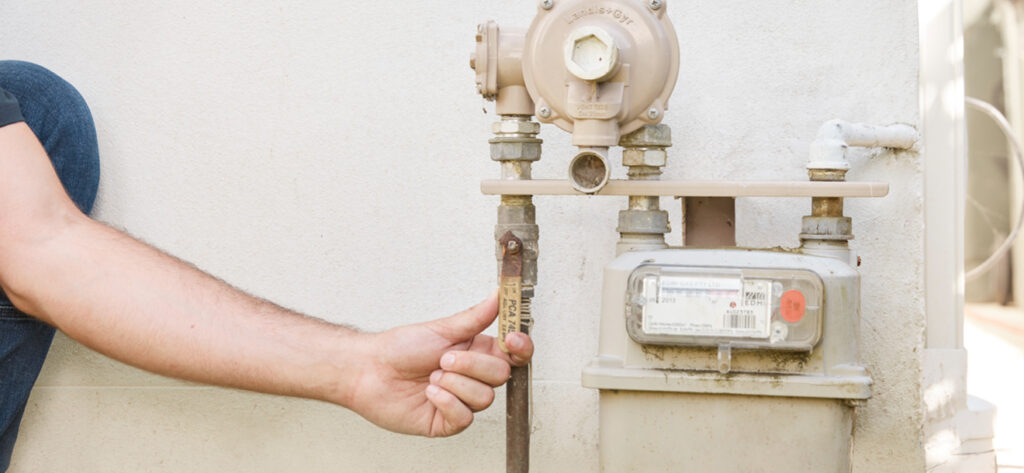
Most household repairs fall clearly into either plumbing or gas fitting, but some projects require expertise in both. Here’s what you should know:
If the issue involves your home's water supply, drainage or sewerage system, you'll need a licenced plumber. These are some of the most common plumbing jobs:
Whether it's a minor leak or a major plumbing emergency, a licenced plumber has the qualifications to diagnose the problem and restore your home's water systems.
If the problem involves gas appliances or gas pipework, it's essential to call a licenced gas fitter. Gas work requires specialist training and must meet strict Australian safety standards.
⚠️Because faulty gas installations can pose serious safety risks, these jobs should never be carried out by someone without the appropriate gas fitting licence.
Some home improvement projects involve both your plumbing and gas systems, meaning you'll need a professional qualified in both trades.
In these situations, hiring a dual-licenced plumber and gas fitter is often the most efficient solution. One qualified tradesperson can complete the entire job, reducing coordination between contractors, saving on multiple call-out fees and ensuring every aspect of the work complies with NSW regulations.
Need Plumbing, Gas Fitting or Both? At Plumberoo, you don’t have to guess. One call is all it takes. Our dual-licenced team is qualified to handle both plumbing and gas fitting, so whether you're dealing with a burst pipe, a blocked drain, a gas leak or a new gas hot water system, we'll send the right expert the first time.
Plumbing and Gas Fitting Regulations in NSW
Safety isn't optional when it comes to plumbing and gas. Unregulated work can put your home, your family and your finances at risk. From gas leaks and carbon monoxide exposure to water damage and failed building inspections, work carried out by an unlicenced tradesperson can have serious consequences.
In NSW, strict licencing and compliance laws are in place to protect homeowners, ensuring every installation, repair and replacement is completed safely and to Australian standards.
Every plumbing and gas installation must comply with nationally recognised Australian Standards.
These standards help ensure your home's plumbing and gas systems operate safely, efficiently and reliably for years to come.
One of the biggest differences between DIY or unlicenced work and work completed by a licenced professional is the Certificate of Compliance.
For gas fitting work, licenced contractors are legally required to inspect, test and certify the installation before issuing this certificate. It confirms the work complies with NSW regulations and Australian Standards.
Without a valid Certificate of Compliance:
Simply put, the certificate provides peace of mind that the job has been completed correctly and legally.
Before hiring anyone to work on your home, it's worth taking a few minutes to verify their credentials.
NSW Fair Trading maintains a free public register where you can search a contractor by licence number or business name. This allows you to confirm they hold the correct licence for the work you need, whether that's plumbing, gas fitting or both.
It's also worth asking a few simple questions before work begins:
A reputable contractor should have no hesitation answering these questions and providing proof of their qualifications.
While plumbers and gas fitters often work together, they aren't the same, and choosing the right licenced professional is essential. The right expertise doesn't just mean a faster repair; it means safe, compliant workmanship that protects your home and gives you complete peace of mind. If your job involves both water and gas, a dual-licenced tradesperson can complete everything in one visit, saving you time, money and the hassle of organising multiple contractors.
At Plumberoo, we do it all. Our fully licenced plumbing and gas fitting team delivers fast, reliable service across Sydney, handling everything from blocked drains and burst pipes to gas leaks, appliance installations and hot water systems. Whatever the job, you can trust us to get it done safely, efficiently and right the first time. Need expert help? Contact Plumberoo today and let our team take care of the rest.
No. They're separate licenced trades. A plumber is licenced under a Certificate III in Plumbing for water, drainage and sewerage work. A gas fitter is licenced under a Certificate III in Gasfitting for gas lines and appliances. Some tradespeople hold both, but the licences are never combined into one.
Only if they've completed the extra training and hold a current gas fitting licence alongside their plumbing licence. A general plumbing licence on its own doesn't authorise any gas work, no matter how experienced the plumber is in other areas.
Both. A plumber installs the tank and connects the water lines. A gas fitter connects and tests the gas line and issues the Certificate of Compliance. Booking a tradesperson licenced in both, like Plumberoo, means one visit instead of two.
Ask for their NSW Fair Trading licence number and search it on the free public register at fairtrading.nsw.gov.au. The listing shows exactly which categories, plumbing, gas fitting, or both, that licence covers.
There's no valid Certificate of Compliance, which means your home and contents insurer can refuse to pay out if the work causes damage or injury later. It can also hold up a property sale if a buyer's building inspection flags uncertified gas work.
No separate call-out applies for combining the two. Plumberoo's plumbers are dual licenced, so a job needing both trades is quoted and completed as one visit, with the same under 2 hour response and no call-out fee before 3pm Monday to Friday that applies to any other job.