
Open 24/7! Servicing all of Sydney’s Eastern Suburbs
Our Average Response time is: 1hr 53min 47sec
Think backflow prevention doesn't apply to your home? Think again. A simple garden hose, irrigation system or rainwater connection can be enough to put your property at risk of contaminating the drinking water supply if the proper protection isn't in place.
In NSW, every property connected to Sydney Water must have backflow protection that matches its hazard rating. For many standalone homes, that means a low hazard rating, but features like rainwater tanks connected to the mains, pool auto-fill systems or irrigation can change the level of protection required.
Ignoring backflow compliance can lead to fines, water supply restrictions and, in serious cases, liability if contaminated water enters the public network. Fortunately, staying compliant is usually straightforward when you understand what's required.
In this guide, we'll explain what backflow is, how it happens, which properties need backflow prevention devices, and what NSW homeowners need to do to stay compliant and protect both their household and the wider community.
Backflow is when water reverses direction in your plumbing and flows back into the mains instead of out of it. Because dirty water, garden chemicals or wastewater can travel with it, a working backflow prevention device is what keeps your clean water separate.
There are two ways backflow can occur:
Unlike a leaking tap or blocked drain, backflow isn't just an issue for your property. It has the potential to affect neighbouring homes and businesses connected to the same water supply. For this reason, certain properties are required to have compliant backflow prevention devices installed, tested and certified.
Backflow prevention in NSW is governed by the Plumbing Code of Australia and the AS/NZS 3500 Plumbing and Drainage Standards, with compliance enforced by Sydney Water and local councils. If your property is connected to the Sydney Water network, meeting these requirements isn't optional is a legal obligation designed to protect the public drinking water supply.
| 👨🔧 Only a licenced, backflow-accredited plumber can assess your property's hazard rating, install the correct device, and carry out the testing and certification required for compliance. |
Not every property poses the same risk to the drinking water supply, which is why NSW classifies backflow hazards into low, medium and high-risk categories. Your property's hazard rating determines the type of backflow prevention device required and whether it needs ongoing compliance testing.
A property's hazard rating is determined by how you water supply is connected and used. An accredited backflow plumber will assess factors such as rainwater connections, irrigation systems, fire services and any equipment that could allow contaminated water to enter the mains.
⚠️ If your property's hazard rating hasn't been assessed, it may be classified as a high hazard until a qualified plumber completes an assessment. This can result in more stringent compliance requirements and the need for a higher-level backflow prevention device.
| Hazard Rating | Typical Property | Required Device | Testing Frequency |
| Low | Standard freestanding home, no special connections | Non-testable device (often built into 20mm/25mm meter) | No annual test required |
| Medium | Rainwater tank on mains, irrigation, home with fire sprinkler service | Testable double check valve (plus double check detector assembly for fire services) | On installation, then every 12 months |
| High | Industrial sites, commercial kitchens, properties with unassessed hazard rating | Registered break tank, reduced pressure zone device, or registered air gap | On installation, then every 12 months |
The testing requirements for your backflow prevention device depend on your property's hazard rating.
If you have a medium or high hazard backflow prevention device, it must be tested by a licenced, backflow-accredited plumber when it's first installed and every 12 months thereafter. These annual inspections confirm the device is operating correctly and continues to protect the drinking water supply.
For low-hazard properties, annual testing isn't usually required because the non-testable device is often built into the water meter. However, it's still important that the correct device has been installed for your property's risk level. If your plumbing changes, such as adding an irrigation system or connecting a rainwater tank to the mains, your hazard rating may also change.
A successful test doesn't automatically make your property compliant. After testing your device, your accredited plumber must complete an official test report and lodge the required documentation with Sydney Water or your local council within the specified timeframe.
It's also good practice to keep a copy of your compliance certificate and test report for your own records. If the paperwork isn't submitted, your property may still be considered non-compliant, even if the device itself is working perfectly.
Ignoring your annual testing requirements can have consequences. While Sydney Water or your local council may issue reminders, it's ultimately the property owner's responsibility to ensure testing is completed on time. Missing a required inspection can result in:
| Need Your Backflow Device Tested? If your annual backflow test is due, or you're unsure whether your last compliance certificate was lodged correctly, Plumberoo can help. Our licenced, accredited plumbers handle the entire process, from testing and certification through to submitting the required paperwork, so you can stay compliant with confidence. |
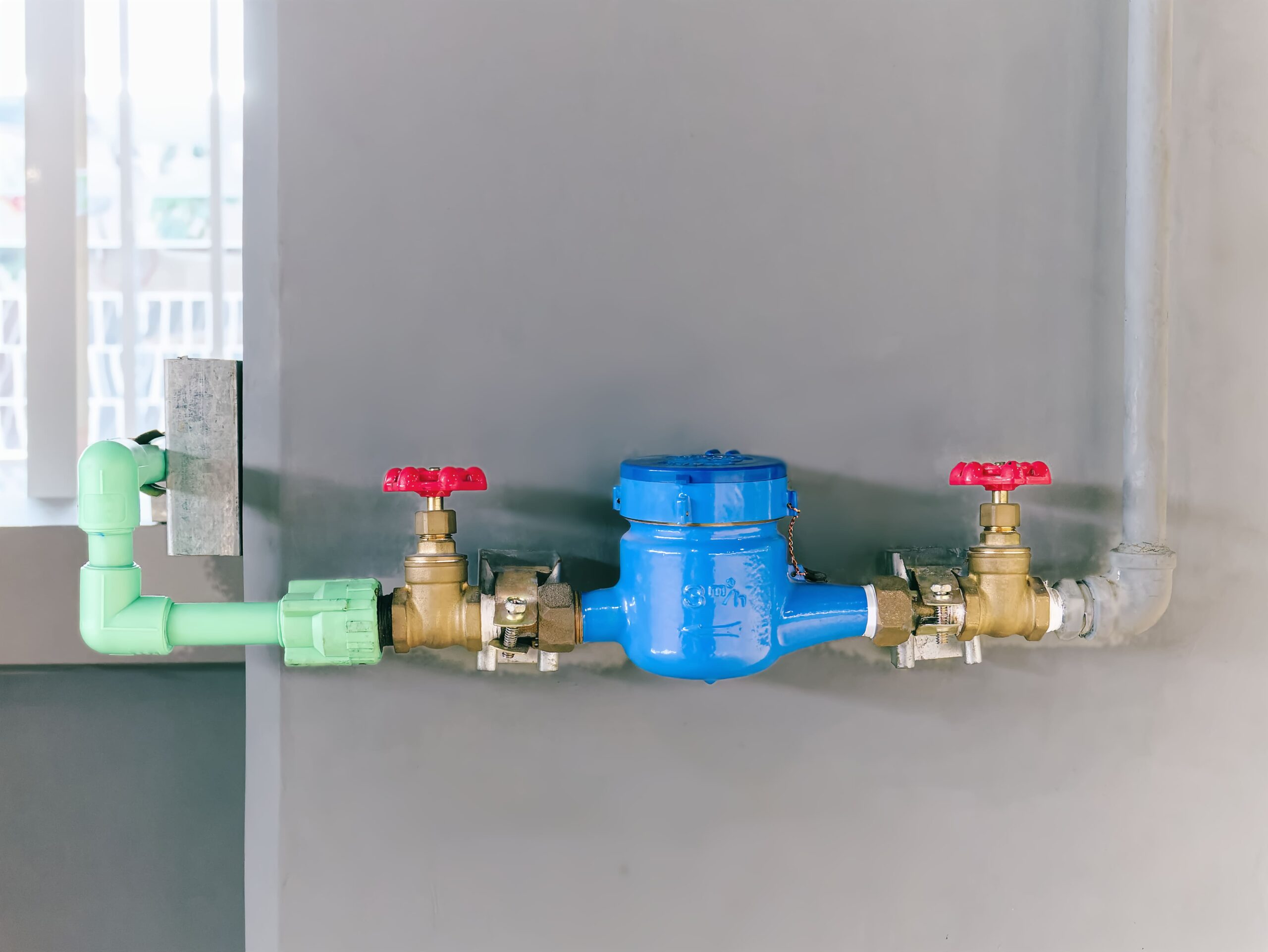
Many homeowners assume backflow prevention only applies to commercial buildings, but that's not always the case. While most standard standalone homes fall into the low hazard category, certain plumbing features can increase the risk of contamination and require additional backflow protection.
Your property may require a higher level of protection if it includes:
These installations can create what's known as a cross connection, where drinking water has the potential to mix with non-potable water under certain conditions.
Not sure whether your home needs a backflow assessment? Ask yourself the following:
If you answered yes to any of these questions, it's worth having your property assessed by a licenced, backflow-accredited plumber. A professional hazard assessment can confirm whether your current level of protection is still appropriate or if your property now requires a different backflow prevention device.
Even with annual testing, backflow devices can develop faults between inspections. If you notice any of the following, it's time to book a professional inspection:
Addressing these warning signs early can help protect your drinking water, avoid compliance issues and prevent more costly repairs.
Backflow prevention is a plumbing systems that's easy to overlook, until you receive a compliance notice or something has gone wrong. Taking a proactive approach helps protect your water supply, avoids unnecessary penalties and gives you confidence that your plumbing is operating safely.
Whether you're installing a rainwater tank, upgrading your irrigation system or simply due for your annual backflow test, having the right advice makes all the difference. A licenced, backflow-accredited plumber can assess your property's risk, recommend the appropriate device and ensure everything is tested, certified and lodged correctly.
Need help with backflow prevention? Contact the team at Plumberoo for expert assessments, installations, testing and compliance services across Sydney. We're here to help you keep your property protected and fully compliant.
No. Most standard freestanding homes sit in the low hazard bracket and don't need a testable device. Features like a rainwater tank plumbed into the mains, a pool auto-fill line, or an irrigation system connected to your water supply can push a property into a higher hazard category that does require one.
Medium and high hazard devices need testing when they're installed and every 12 months after that, carried out by a licenced plumber with backflow accreditation. Low hazard, non-testable devices don't need annual testing, but they still need to match your property's hazard rating.
The property owner. It doesn't matter whether a tenant or a contractor is using the property day to day. The legal obligation to install, maintain and test the correct backflow device sits with the owner.
No. Only a licenced plumber can install a backflow device, and only one with backflow accreditation can assess your hazard rating or test and certify the device once it's installed. DIY work won't be accepted by Sydney Water or your council, whatever the intention behind it.
It has to be repaired or replaced before a compliance certificate can be issued. Leaving a failed device in place, or continuing to use the property without addressing it, leaves you non-compliant and exposed to fines or a restricted water supply.
Book an assessment with a licenced backflow plumber. Without one, Sydney Water defaults to treating your property as high hazard, which usually means a more expensive device than you might actually need.