Roof Plumbing Services Sydney Eastern Suburbs

We provide expert roof plumbing services in Sydney's Eastern Suburbs. Our plumbers will fix your leaking roof or gutters fast. Being locals, we prioritise same-day service For eastern beaches to the western suburbs.

What Is a Roof Plumber? Roof Plumber vs General Plumber vs Roofer

This trips up most homeowners - and most of our competitors don't bother to explain it. A roof plumber, a general plumber and a roofer are three different trades with three different licences. Hire the wrong one and you can land yourself with work that isn't compliant, won't pass certification, and isn't covered by insurance when it leaks.

Roof plumber

A roof plumber is licensed by NSW Fair Trading to install, repair and maintain the parts of your roof that move water - gutters, downpipes, flashings, valleys, box gutters, rainwater heads, leaf guards, rainwater tanks and metal roof penetrations. In NSW, this is a separate licence endorsement on top of (or sometimes alongside) a general plumbing licence. The trade qualification is Certificate III in Roof Plumbing (CPC32620). All roof plumbing work that affects stormwater drainage must be carried out by a licensed roof plumber and certified with a Certificate of Compliance.

General plumber

A general plumber handles inside-the-house water supply, sanitary drainage and gas - taps, toilets, hot water units, kitchen and bathroom rough-ins, sewer connections. They're not licensed for roof drainage work. If a general plumber installs a gutter or a flashing, the work doesn't get a roof plumbing Certificate of Compliance and your insurer can refuse a future claim on that basis.

Roofer / roof tiler

A roofer or roof tiler installs and replaces the roof covering itself - the tiles, slates, metal sheeting or shingles that sit on top of your battens. They don't typically work on the water-management components (gutters, downpipes, flashings) and they don't certify stormwater drainage. For a full roof replacement you often need both a roofer (for the covering) and a roof plumber (for the gutters and flashings).

Quick comparison

Trade Licensed for Common jobs What to ask
Roof plumber Gutters, downpipes, flashings, valleys, box gutters, rainwater systems Leaking gutters, blocked box gutters, failed flashings, roof leaks at penetrations Show me your NSW Fair Trading licence with the roof plumbing endorsement
General plumber Water supply, sanitary drainage, gas inside the home Burst pipes, hot water, taps, toilets, gas leaks Show me your NSW Fair Trading plumbing licence
Roofer / roof tiler Tile, slate, metal roof coverings Replacing roof sheeting or tiles, ridge cap rebedding Show me your trade qualifications and recent projects
5-Star
Reviews
Google reviews logo
Trusted & Licensed
Plumbers
NSW fair trading logo
Fully
Insured
QBE Insurance logo

NSW Roof Plumbing Licence - How to Verify Your Plumber

Never take a tradesperson's word for it on licensing. NSW Fair Trading runs a free public register of every licensed plumber, gas fitter and roof plumber in the state. It takes 30 seconds to check - and you should check, every time.

How to verify any roof plumber in NSW

  • Go to the NSW Fair Trading public licence check (search "NSW Fair Trading licence check" on Google)
  • Enter the licence number or the trading name
  • Confirm the licence is current, not expired, suspended or cancelled
  • Confirm the licence carries the roof plumbing endorsement ("Roof plumbing" listed under Authorisations)
  • Cross-check the trading name on the licence matches the business name on the invoice you'll be paying

Plumberoo's NSW Fair Trading credentials

NSW Fair Trading Licence: 289252c. You can verify this on the NSW Fair Trading public register at any time. We publish the number openly because we want you to check.

  • Trade qualifications: Certificate III in Plumbing (and Certificate III in Roof Plumbing, CPC32620, where applicable)
  • Insurance: $20 million public liability with QBE
  • Accreditation: Master Plumbers NSW members; Ebix Australia trades-monitor accredited
  • Working at heights: RIIWHS204E certification for all roof plumbing crew members

Red flags to watch for in any roof plumbing quote

  • No licence number on the quote, invoice or website
  • Cash-only requests for roof plumbing work (compliance certificates can't be issued without proper invoicing)
  • Refusal to issue a Certificate of Compliance after the job
  • No public liability insurance disclosed
  • Quotes that are 30%+ below market rate (often a signal of unlicensed or sub-contracted work)

Roof Materials We Work With

Different roof materials fail in different ways and need different repair approaches. Here's what you've probably got on your Sydney home and how we work with it.

Colorbond steel

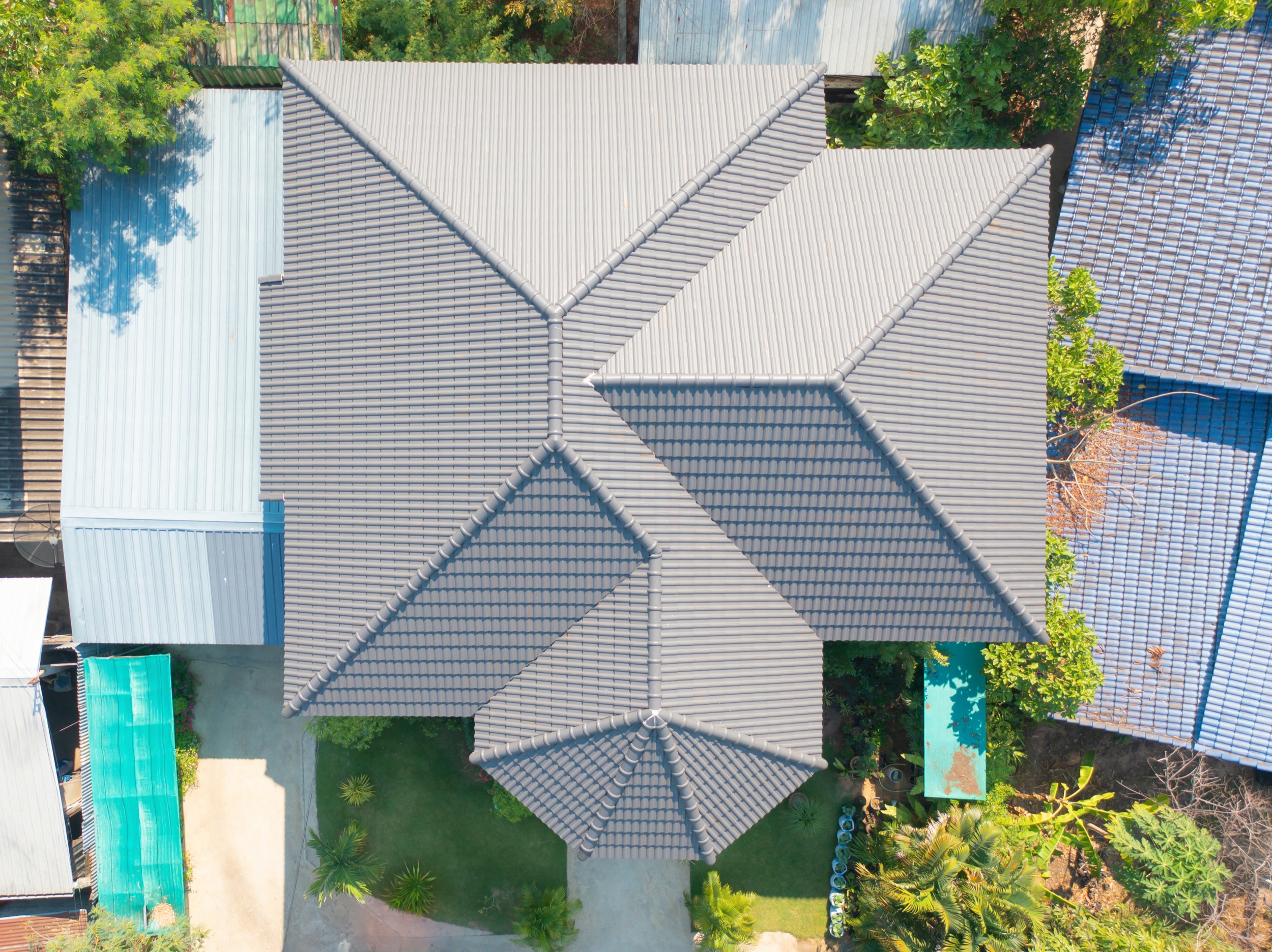
BlueScope's pre-painted steel sheeting - by far the most common metal roof in modern Sydney builds. Typical lifespan 30+ years on inland properties, often shorter in coastal Eastern Suburbs and Northern Beaches due to salt-air. Failure points are usually at penetrations (vents, antennas, plumbing stacks), at flashing joints, or where rubbish has scratched through the protective coating. Spot repairs are usually viable; full re-sheeting is the long-term answer when corrosion is widespread.

Zincalume

BlueScope's unpainted aluminium-zinc coated steel. Older than current Colorbond products and still very common on 1990s–2000s Sydney homes. Slightly shorter lifespan than Colorbond in coastal zones. Same failure patterns; same repair approach.

Terracotta tile

Heritage Inner West and Eastern Suburbs homes often have original terracotta tile roofs. Tiles themselves can last 100+ years; the failure points are the mortar bedding under the ridge caps (typically 20–25 year life), the sarking layer below the tiles, and individual cracked tiles. Heritage terracotta tiles are still manufactured and we can match for like-for-like replacement on heritage-listed properties.

Concrete tile

Cheaper alternative to terracotta, very common on 1960s–80s Sydney homes. Tiles can become porous and absorb water over time, leading to invisible leaks through the tile body. Painted concrete tiles can be re-coated to extend life; cracked tiles need replacing. Bedding mortar failure is the most common issue we see.

Slate

Premium heritage material on some Eastern Suburbs and Inner West terraces and 19th-century homes. Lifespan can exceed 100 years if the fixings hold. Most slate problems are slipped or broken slates and rusted fixing nails. Slate work needs specialist handling - we work with heritage slate specialists where the job requires their tools and experience.

Lead flashing

Lead is still the gold standard for flashing material on heritage and high-end Sydney roofs. Lifespan 50+ years if dressed and lapped correctly. Failure is usually at joints, splits from thermal cycling, or galvanic corrosion against incompatible adjacent metals. Lead repair work needs a roof plumber familiar with the material - modern lead-replacement products (Wakaflex, EPDM membranes) are sometimes the more cost-effective fix for non-heritage homes.

Copper

Premium architectural material on some heritage and prestige Eastern Suburbs homes. Develops a green patina over time which is part of the aesthetic. Lifespan 100+ years. Failure points are at solder joints (where compatible materials are critical) and where copper has been wrongly paired with galvanised or zinc components causing galvanic corrosion. Copper work needs a roof plumber experienced with the material.

Storm & Hail Damage to Your Roof - Working With Your Insurer

Sydney gets hit by major storms and hail events every year. Most home insurance policies cover storm and hail damage - but the claim only goes smoothly if you act fast, document properly, and use a contractor who knows the claims process. Here's how we work with homeowners on insurance-funded roof repairs.

Immediately after a storm

  • Safety first - don't go up on a wet or damaged roof. Take photos from the ground first
  • Photograph the damage with date-stamped phone photos - wide shots and close-ups of every visible problem
  • Photograph any internal damage (ceiling stains, water in roof cavity, fallen plaster)
  • Note the date, time and any unusual weather details - the Bureau of Meteorology storm-tracking data backs up your claim
  • Don't authorise any repair work before talking to your insurer - but emergency mitigation (tarping a hole, containing a leak) is generally fine
  • Call your insurer to lodge the claim - get a claim reference number
  • Call us on (02) 9191 8787 - we can attend immediately to mitigate damage and document the loss for your claim

Emergency mitigation we provide

  • Tarping over damaged roof sections to prevent further water entry
  • Temporary patching of failed flashings, valleys and box gutters
  • Internal containment - buckets, plastic sheeting, water extraction guidance
  • Photographic documentation of damage suitable for insurance assessor review
  • Written incident description with date, weather conditions and visible damage points

How an insurance roof claim usually works

  • You lodge the claim with your insurer (homeowner, not us)
  • The insurer assigns a claim number and may dispatch a loss adjuster or send you to nominate a preferred repairer
  • Quotes are obtained - sometimes from the insurer's preferred repairer, sometimes from a contractor of your choice
  • The assessor reviews the scope and approves the claim (subject to your policy excess and any exclusions)
  • Work proceeds and is invoiced to the insurer or to you, depending on the claim structure
  • Certificate of Compliance is issued and lodged for any roof plumbing work that requires it

What's usually covered (subject to your policy)

  • Sudden storm damage to gutters, downpipes, flashings and roof coverings
  • Hail damage to metal roofing and skylights
  • Water damage to internal finishes caused by the storm event
  • Damage from fallen tree limbs (where the tree is on your property or your neighbour's, depending on policy)

What's usually NOT covered

  • Pre-existing damage or gradual wear (rusted gutters that finally fail in a storm - insurers often argue this was a maintenance issue)
  • Damage from poorly maintained roofs (annual maintenance helps support claims)
  • Damage caused by tree limbs from trees you knew were dangerous and didn't address
  • Upgrade-on-replacement - insurers cover like-for-like replacement, not improvements

Documentation we provide for insurance claims

  • Itemised quote and invoice with scope, materials and labour
  • Dated photographic record (pre-work and post-work)
  • Written incident description matched to weather event
  • NSW Fair Trading licence number (289252c) and $20m QBE public liability certificate on request
  • Certificate of Compliance for any roof plumbing work requiring it
  • Material specifications and warranties for replacement components

Sydney Weather & Your Roof - What to Expect Through the Year

Sydney roofs cop a beating most homeowners don't think about until something fails. Here's the year your roof is actually living through, and what we recommend you do about it.

Summer (December–February): UV, hail and east coast lows

Sydney summers combine the highest UV load of the year (which slowly breaks down rubber and silicone sealants around flashings and penetrations) with the storm season. Late November through February is the hail window - Sydney has had multiple destructive hail events in this period over the last decade. East coast lows can also dump 100+ mm in 24 hours, overwhelming undersized gutters and box gutters. Recommended action: clear gutters in November, check sealants around penetrations, photograph the roof so you have a baseline before the storm season.

Autumn (March–May): leaf litter and clogged gutters

Autumn is when established Sydney trees (especially deciduous species in Inner West and parts of the Eastern Suburbs) drop heavy leaf loads into gutters. Combined with the year's accumulated rubbish, gutters can be 80%+ blocked by the end of May. Blocked gutters mean water overflows backwards under the roof line, rotting fascia boards and tracking into ceiling cavities. Recommended action: gutter clean in late autumn, leaf guard consideration if your property has heavy tree cover.

Winter (June–August): driving rain and southerlies

Winter is Sydney's wettest period in many years. Southerly busters drive rain horizontally - meaning leaks show up in places that don't leak in regular vertical rain. Failed flashings, gaps in cladding, and aging valley irons all fail under southerly conditions. Recommended action: any leak that appeared in winter should be inspected before the next summer's heavy storms.

Spring (September–November): the maintenance window

Spring is the best time of year for roof maintenance in Sydney. Weather is mild, trees have finished their spring drop, and you have time to address anything before the hail and storm season starts in late November. Recommended action: full annual roof inspection in October - gutters, downpipes, flashings, sealants, valley irons, ridge caps.

Working at Heights - Safety & Compliance

Any roof work in Australia is classified as working at heights - meaning the contractor is legally required to operate under SafeWork NSW's Work Health and Safety regulations. This isn't optional, it's not a cost-cutter, and any roof plumber who works without proper height safety protocols is exposing you to liability if they're injured on your property.

What proper height safety looks like on a job

  • RIIWHS204E certification. All roof crew members hold the nationally recognised "Work safely at heights" qualification. Renewed and current.
  • Fall arrest systems. Harnesses, anchor points, lanyards rated to AS/NZS 1891. Inspected before every job.
  • Edge protection or fall restraint. Either physical barriers (scaffold, edge rails) or properly anchored fall restraint on every job above 2 metres.
  • Elevated work platforms (EWPs). Where roof access is unsafe (steep pitch, fragile material, no anchor points), we use boom lifts or scissor lifts rather than ladders.
  • Two-person crew for risk jobs. Steep or complex roof work is always crewed by two - one on the roof, one spotting/supporting.
  • Public liability insurance. $20m QBE cover. Protects you, your neighbours and your property if anything goes wrong.

Why this matters to you as the homeowner

If a tradesperson is injured on your property and they weren't operating under proper safety protocols - no insurance, no certification, no fall arrest - you can be left exposed. Even with home and contents insurance, contractor injury claims can become your problem if the contractor was operating outside compliance. Hiring a properly certified, properly insured roof plumber isn't a cost premium; it's risk protection for you.

What to ask any roof plumber before they start work

  • Are you and your crew current on RIIWHS204E (working at heights)?
  • What public liability cover do you carry, and can I see the certificate?
  • Will you be using fall arrest, fall restraint or edge protection on my roof?
  • If you need an elevated work platform, is that included in the quote?

Pricing Guide - What Roof Plumbing Costs in Sydney

Roof plumbing prices vary with material, access, roof pitch and the scale of the job. The ranges below are indicative of the Sydney market generally. Plumberoo's own roof plumbing rate starts at $70 + GST per hour, with most typical residential projects landing in the $1,000–$2,000 range - and every job is quoted as a fixed price in writing before we start work.
Job Typical Sydney range (inc GST) Notes
Standard call-out (business hours) $0 to $99 Plumberoo: $0 Mon–Fri 7am–3pm; after-hours fee quoted before dispatch
Hourly rate (roof plumbing) $70 to $150 + GST Plumberoo: from $70 + GST
Roof leak inspection + report $200 to $600 Includes ceiling-cavity check and source diagnosis
Single roof leak repair $300 to $1,200 Range covers from small flashing reseal to multi-point repair
Gutter replacement (per linear metre) $70 to $180 Colorbond standard profile; box gutter is higher
Full gutter replacement (avg home) $1,800 to $4,500 Depends on lineal metres, profile and height
Downpipe replacement (each) $250 to $650 PVC lower; round Colorbond higher
Flashing repair / replacement $300 to $1,500 Lead flashings at the upper end
Box gutter rebuild $1,200 to $4,000+ Common failure point on inner-Sydney terraces
Valley iron replacement $600 to $2,500 Material, length and access drive the range
Ridge cap rebedding (terracotta tile) $800 to $2,800 Per linear metre rate often $80–$120
Whirlybird or roof vent install $300 to $700 Including penetration flashing
Skylight leak repair $400 to $1,400 Higher if seal failure requires unit removal
Rainwater tank install (small res.) $1,500 to $4,500 Excluding tank cost; includes pump and connections
Leaf guard / gutter guard install $30 to $80 per metre Mesh quality drives the range significantly
Storm emergency tarp + patch $400 to $1,200 Insurance-claim documentation included
Roof plumbing Certificate of Compliance $150 to $350 Required for some council and insurance work
After-hours emergency attendance $200 to $450 + GST Quoted on phone before dispatch
Ranges reflect typical Sydney market pricing. Actual quotes depend on roof type, access, pitch, materials and scope. Plumberoo provides a fixed price in writing before work starts and never varies it without re-quoting.

Workmanship & Fixed-Price Quote Guarantee

Every roof plumbing job we quote is fixed in writing before we start work. Never pay more than we quote - guaranteed. If we open up the job and find something unexpected (a hidden flashing failure, a rusted-through section we couldn't see from the ground, a tile course that's deteriorated under the visible damage), we stop, show you, and re-quote before continuing. No surprise invoices. No "while we were up there" additions to the bill.

What's covered

  • Labour for the agreed scope at the quoted price
  • Parts and materials specified in the quote
  • Workmanship - we come back and fix it if our work fails
  • Compliance - work is certified to AS/NZS 3500.3 (plumbing and drainage) where required
  • Manufacturer warranties on materials installed (Colorbond/Lysaght products carry their own product warranties)

What's outside the guarantee

  • Pre-existing damage to other parts of the roof not in scope
  • Storm damage occurring after the work is completed (separate event)
  • Damage caused by third-party work after our job is signed off
  • Misuse - e.g. modifications by another trade after we've left

Annual Roof Maintenance Checklist for Sydney Homes

Most roof problems are spotted easily six months before they become emergencies. Run through this checklist once a year - ideally in October before the hail and storm season - and you'll head off the majority of major roof claims before they start.

From the ground (safe - anyone can do this)

  • Walk the perimeter of the house and look up. Anything visibly sagging in the gutter line?
  • Look at the joints between walls and the roof. Any rust streaks, separation or missing flashing?
  • Check downpipes - are they all intact and connected at the top and bottom?
  • Look at the ridge line (top of the roof) for slipped tiles or missing ridge caps
  • Walk through the house and check every ceiling for new stains, bubbling or sagging plaster
  • Check the roof cavity from inside (manhole access) for daylight visible through the roof

From height (book a roof plumber for this)

  • Clear all leaf litter from gutters, downpipes and box gutters
  • Check gutter brackets, screws and joints for rust, corrosion or movement
  • Inspect all flashings (chimneys, vents, antennas, plumbing penetrations) for sealant breakdown
  • Test all downpipes for free flow with a garden hose
  • Check valley irons and box gutters for corrosion, debris and proper drainage
  • Inspect ridge cap bedding and pointing on tile roofs - should be hairline-crack free
  • Test skylight seals for any sign of water ingress
  • Photograph the whole roof to create a baseline for any future storm-damage claim

Seasonal cadence

  • November: heavy clean before hail/storm season; sealant check around penetrations
  • May: clear autumn leaf litter; downpipe flow test before winter rain
  • Annually (October recommended): full roof plumber inspection with written report
  • After every major storm: photograph the roof and check ceilings for new staining within 48 hours

Plumberoo can deliver an annual roof inspection with a written report - useful for both proactive maintenance and as evidence for future insurance claims. Call (02) 9191 8787 to book.

Plumberoo Plumbers Van

Is Your Roof Leaking Or Do Your Gutters Need To Be Repaired?

Follow the following steps to minimise potential damage to your home or building, then call us on (02) 9191 8787 to fix your plumbing problems fast.
1) Contain water that's entering your home.
2) Temporarily cover the water breach
3) Use your phone to take photos for any possible insurance claims
4) Call the Plumberoo for help.
The traditional approach still works. Use buckets or towels to contain any water that's entering your home. Getting on top of this fast can cause ongoing mould or mildew issues. Take these immediate steps to contain the damage to your home.

Roof Plumbing Services

We Fix Roof Leaks, Damaged Pipes & Make Your Water Problems Go Away!

Emergency Roof Plumbing
Roof Leaks, Repairs & Replacements
Gutter Repair & Replacement
Downpipe Installation & Repairs
Roof Flashing
Roof Maintenance
Commercial Roof Plumbing

Why you should choose plumberoo

Plumberoo team on the phone

We are  Experienced

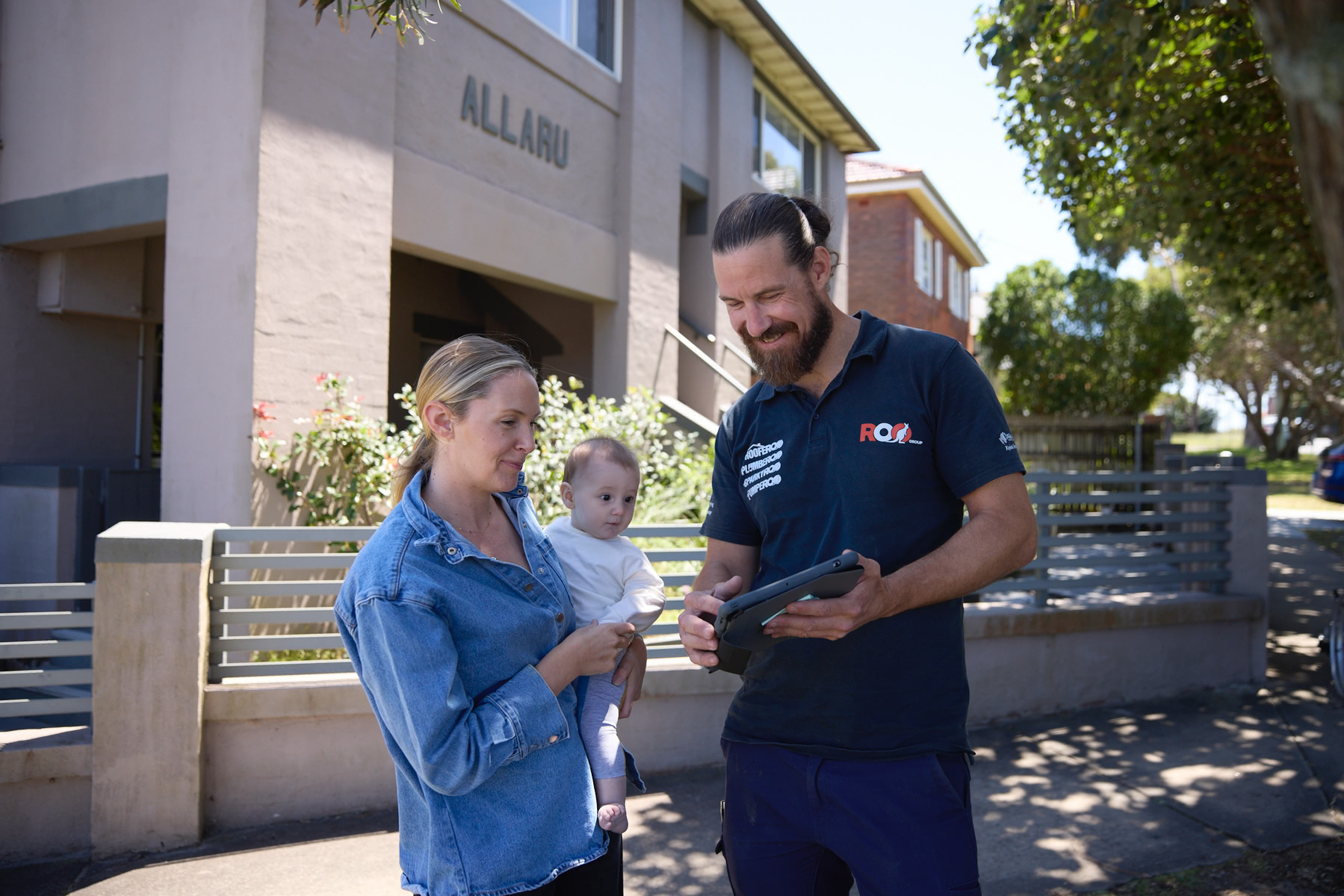
Our crew has been servicing homes and businesses across Sydney for years, and we're committed to providing complete solutions for our clients. We have quickly become a household name. Our number is on the speed dial for many of our repeat clients, who know we'll always show up on time. We provide urgent solutions that maintain quality workmanship and excellence.
plumberoo van

We live just  Around the corner

Along with being highly skilled, experienced and professional, our crew are friendly, understanding and compassionate, with no job being too big or too small. We strive to be affordable and easy to work with while we help you navigate your plumbing problem with dedication, professionalism and expertise.

Fixed Price  Competitive Rates

Whatever the reason may be for needing an emergency plumber, we will pay attention to the details of your job and come up with the best options to help. Whether the job is a standard blocked drain removal, a burst pipe or more complex plumbing repairs, nothing is too difficult for your emergency plumber.

See why plumberoo has become the “local guy” sydney loves

“
Plumberoo were quick and effective in fixing a minor but time sensitive plumbing issue. Communication was excellent and the team were punctual, pleasant to deal with and left the place spotless. Would definitely use again.
J
Janine Dive
“
On time and cleaned after themselves. The boys left a great impression and we would definitely save their number for next time.
M
Melanie Rozsnyoi
“
The Plumberoo team arrived to our home at the time they said they were going to. They were in and out quickly and efficiently. You can tell this is a professional operation. Would use them again.
K
Kristin Maloney

Frequently Asked Roof Plumbing Service Questions

Find the answers to your questions here or give us a call to chat about your tap repair service or replacement today.
What does roof plumbing cost? What are your rates for roof plumbing services?
Depending on the job's complexity, roof plumbing services cost between $1,000-$2,000. Plumberoo works at an hourly rate of $70+GST. We believe in transparent & honest prices.

You can book an appointment today for us to inspect your roof issues and provide a precise quote regarding our roofing services.
How can I tell if my roof needs plumbing services?
Water breaches are the no.1 way to tell if you have a serious problem. Also look for mould, mildew or colouring on your roof. These are all signs that you may have a damaged roof or roof leak.
What's the difference between a roofer & a roof plumber?
Our plumbers have specialist training in installing downpipes, rainwater tanks and gutters. We're experienced in both residential homes as well as commercial buildings. Our team can help with any water problems your roof may encounter, whereas a roofer specialises in roof installs, restorations or repairs. We have relationships with qualified roofing experts that specialise in roof replacement, colorbond roofing, and metal roofing and can put you in touch with them for advice and quotes.
Do I need a licensed roof plumber in NSW - and how do I check?
Yes. Roof plumbing work in NSW must be carried out by a licensed roof plumber, and the work needs a Certificate of Compliance for any installation or significant repair. You can verify any licence on the NSW Fair Trading public register - just search the licence number or trading name. Plumberoo's NSW Fair Trading licence is 289252c.
How much does it cost to replace gutters in Sydney?
Gutter replacement in Sydney typically runs $70–$180 per linear metre installed, with most average single-storey home replacements landing in the $1,800–$4,500 range. Box gutters, two-storey access and Colorbond specialty profiles push the upper end. Plumberoo quotes every gutter job as a fixed price in writing after an on-site inspection.

How much is a roof leak repair?
Single roof leak repairs in Sydney typically range from $300 to $1,200 depending on cause and access. A simple flashing reseal sits at the lower end; a leak that needs valley iron replacement or multi-point repair sits at the higher end. Diagnosis comes first - we identify the actual source, not just the symptom - and then quote a fixed price for the repair.

What's the lifespan of Colorbond gutters vs Zincalume?
Colorbond gutters typically last 30+ years on inland Sydney homes and 15–25 years in coastal Eastern Suburbs and Northern Beaches conditions. Zincalume is broadly similar but slightly shorter-lived in salt-air zones. Both come with manufacturer warranties from BlueScope - we install with full warranty paperwork.
Are tile roofs harder to repair than metal roofs?
Different, not necessarily harder. Tile roofs need careful walking (broken tiles cost money), specific tools for re-bedding ridge caps, and matching tile sourcing for replacements. Metal roofs are faster for most repair work but flashing failures on metal can be harder to diagnose because water tracks along the sheet before showing up internally. Both are core roof plumbing work and we handle both.
Can I claim hail damage to my roof on insurance?
In most cases yes - Sydney home insurance policies generally cover hail damage as a named storm peril, subject to your excess and policy exclusions. The claim is much smoother if you have annual maintenance records showing the roof was in good condition before the storm. Pre-existing wear is the most common reason hail claims are reduced or rejected. We provide documentation that supports clean claims.
What should I do immediately after storm damage to my roof?
Don't go up on the roof - it's wet and probably unsafe. Photograph all visible damage from the ground with date-stamped phone photos. Check ceilings inside for new staining. Lodge the claim with your insurer to get a claim reference number. Call us on (02) 9191 8787 - we'll attend immediately for emergency mitigation (tarping, containment) and document the damage for your claim.

How often should I have my gutters cleaned or inspected?
Twice a year at minimum for most Sydney homes - once in late autumn (May) to clear leaf litter before winter rain, and once in late spring (October) to clear summer debris and check sealants before hail season. Properties with heavy tree cover may need quarterly cleans. Annual full inspection by a licensed roof plumber is recommended whether or not your gutters need cleaning.
What is a box gutter and why do they fail?
A box gutter is an internal gutter built into the roof structure itself - common on older inner-Sydney terraces, warehouses and some flat-roof additions. They fail because they're internal (water trapped inside the roof line has nowhere to go but down into the building), have small drainage outlets that block easily, and are often undersized for current Sydney rainfall patterns. Box gutter rebuilds typically run $1,200–$4,000+ depending on length and accessibility.

Do you handle insurance-approved storm damage repairs?
Yes. We work with homeowners on insurance-funded roof repairs across Sydney - providing emergency mitigation, damage documentation, itemised quotes formatted for insurers, and Certificates of Compliance for completed work. We're licensed (NSW 289252c) and fully insured ($20m QBE public liability), which is what most insurers require from a contractor.
Do you work on heritage slate and terracotta roofs?
Yes for terracotta tile, gutters and flashings on heritage homes. For specialist slate work, we partner with heritage slate specialists where the job requires their specific tools and experience - coordinated by us, so you have a single point of contact for the project.
What's a roof flashing and when does it need replacing?
A flashing is the strip of metal or rubber that seals the join between two surfaces on a roof - chimney to roof, wall to roof, vent to roof, valley between two roof planes. They fail when sealants break down (5–10 years on cheap silicone, 20+ years on quality lead and butyl products), when the underlying material rusts through, or when thermal cycling cracks the joint. Visible rust streaks, internal staining below the flashing area, or visible separation are all signals for replacement.

Upfront Fixed Rate Pricing. Guaranteed!

You choose how you would like to pay to fix your plumbing!
Out of the 2000+ plumbers in Sydney and 100+ plumbing companies, we found no one advertises any fixed rate pricing upfront like us.

Residential

Commercial

Strata

Real Estate

we are here to change this!

Call Us Now For Upfront Fixed Rate Pricing.
plumberoo mobile contact form
Residential
Commercial
Property Management
Strata

residential

We belive your home is your castle. That’s why we will arrive fast, fix your plumbing problems and clean up after we’re finished.