
Open 24/7! Servicing all of Sydney’s Eastern Suburbs
Our Average Response time is: 1hr 53min 47sec
A long, relaxing shower might be part of your daily routine, but it could also be one of your biggest contributors to your household’s water usage. Infact, the average Australian household uses around 200 litres of water per day on showers alone! And, the older the shower head, the more water it uses. Up to 15 to 22 litres per minute!
A simple upgrade to a water-saving shower head can help reduce your water bills, lower hot water usage, and make your bathroom more environmentally friendly, without sacrificing shower comfort. While many people assume efficient shower heads mean weaker pressure, modern WELS-rated models use advanced spray technology to deliver a powerful experience while using just 6 to 9 litres per minute.
Whether you’re upgrading your bathroom, trying to reduce household expenses, or simply looking for a more sustainable solution, the right shower head can be a small change that delivers significant long-term benefits.
Water costs rising and sustainability is becoming a bigger focus for many households across Sydney. For Australian homes, these savings can quickly add up. Showers are one of the biggest sources of household water use, but they are also one of the easiest areas to improve.
They are designed to reduce water usage, lower hot water energy costs, and help minimise your environmental impact.
But, many homeowners worry that using less water means a weaker shower. That’s not the case! Modern WELS-rated shower heads are designed to overcome this. Using advanced spray patterns and pressure-enhancing technology, they can provide a satisfying shower experience while reducing flow rates. While older shower heads can use 15 to 22 litres per minute, efficient models can reduce this to around 6 to 9 litres per minute, saving thousands of litres of water each year.
The Water Efficiency Labelling and Standards (WELS) scheme helps homeowners compare shower heads by rating their efficiency from 3 to 5 stars, with higher ratings indicating lower water usage.
A 3-star shower head is the minimum efficiency standard, using up to 9 litres per minute, while a 4-star model is often considered the best balance between water savings and shower performance. For households wanting maximum efficiency, 5-star shower heads use even less water, although it’s worth considering spray quality and pressure before making a decision.
| WELS star rating | Typical flow rate (L/min) | What it means in the shower |
| 1 to 2 stars | 9 to 12 L/min | Older style, high flow. No longer sold new in Australia. |
| 3 stars (minimum) | 7.5 to 9 L/min | The legal baseline. Adequate, not especially efficient. |
| 4 stars | 6 to 7.5 L/min | The sweet spot for most homes. Noticeable savings, still feels strong with the right nozzle design. |
| 5 stars | Under 6 L/min | Maximum efficiency. Worth checking the spray pattern in person if pressure matters to you. |
💡 Think your shower is the only culprit? A single leaking tap can drive up your water bills too. If you've noticed a leaking tap, don't wait; repair it ASAP!
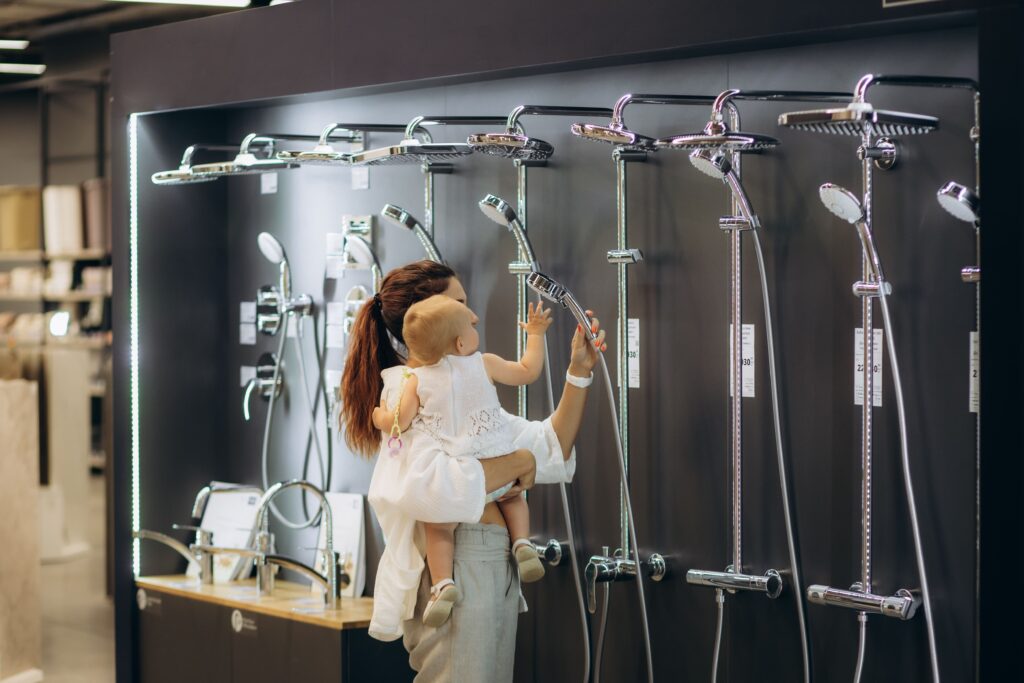
Not all water-saving shower heads work the same way. While they all aim to reduce water consumption, the technology behind them and the style you choose can have a big impact on your shower experience.
Aerating shower heads mix air with water as it passes through the nozzle, creating a fuller, softer spray while using less water. This technology allows the shower to feel powerful despite a lower flow rate, making it the most popular option for Australian households. Most 4 and 5-star WELS-rated shower heads use aeration to maximise water savings without compromising comfort, making them an excellent choice for everyday use.
Rather than introducing air, non-aerating shower heads reduce water usage through flow restrictors or specially designed nozzles. The result is a more concentrated stream of water that feels similar to a traditional high-pressure shower. Some households prefer the sensation, particularly if they find aerated sprays feel cool in a cold bathroom, since the added air can feel warmer, especially during winter.
Filtered shower heads use replaceable cartridges to reduce chlorine, sediment, and other impurities in the water. While they can improve water quality and shower comfort, it's important to note that filtration doesn't automatically mean water efficiency.
If you're considering a filtered shower head, always check that it also carries an appropriate WELS rating. A quality filtered shower head should deliver both cleaner water and reduced water consumption, not just one or the other.
| Shower head format | Best for | Watch for |
| Fixed (wall mounted) | Simple upgrades, rentals, compact bathrooms | Limited adjustability once installed |
| Handheld | Families, cleaning the shower, washing pets | Extra hose connections that can wear over time |
| Rail (sliding) | Mixed height households | Needs solid wall fixing behind the tile |
| Dual or combination | Couples or shared bathrooms wanting options | More parts, higher install cost |
| Filtered | Homes concerned about chlorine smell or sediment | Ongoing cartridge replacement cost |
Not all water-saving shower heads deliver the same results. Two models may have similar WELS ratings but offer completely different shower experiences. When comparing your options, it's important to look beyond the marketing claims and focus on the features that have the biggest impact on both water savings and performance.
With so many shower heads on the market, choosing a trusted brand can make all the difference. Established manufacturers invest in better engineering, more durable materials, and independently tested water efficiency, helping you enjoy lower water bills without compromising on shower performance.
When comparing brands, don't rely on marketing terms like "eco" or "water saving" alone. A genuine water-efficient shower head should display a WELS registration number and a clearly stated litres-per-minute (L/min) flow rate. If these details aren't available, it's difficult to verify the product's efficiency claims.

Budget to mid-range
One of Australia's most recognised bathroom brands, Caroma offers an extensive range of WELS-rated shower heads that balance water efficiency, durability, and everyday performance. With styles ranging from simple fixed heads to premium rail systems, they're a reliable choice for both renovations and straightforward replacements.

Budget to mid-range
Dorf is known for producing practical, dependable shower heads that deliver consistent performance at an affordable price. Their range focuses on simple, easy-to-install solutions, making them a popular option for homeowners looking to upgrade older fittings without stretching the budget.

Mid-range to premium
Methven is recognised for its innovative shower technology, particularly its aerated spray systems that create a fuller, high-pressure shower experience while using significantly less water. It's an excellent choice for homeowners wanting premium comfort alongside outstanding water efficiency.

Mid-range to premium
Nero combines water efficiency with contemporary bathroom design. Available in a wide selection of finishes, including matte black, brushed nickel, and brushed brass, Nero shower heads are ideal for homeowners who want to match their tapware while still benefiting from WELS-rated water-saving performance
Water-saving shower heads are available across a wide range of price points, making it easy to find an option that suits your budget.
While cheaper models can provide worthwhile savings, investing in a quality shower head often delivers better comfort, longer-lasting performance, and greater reliability over time.
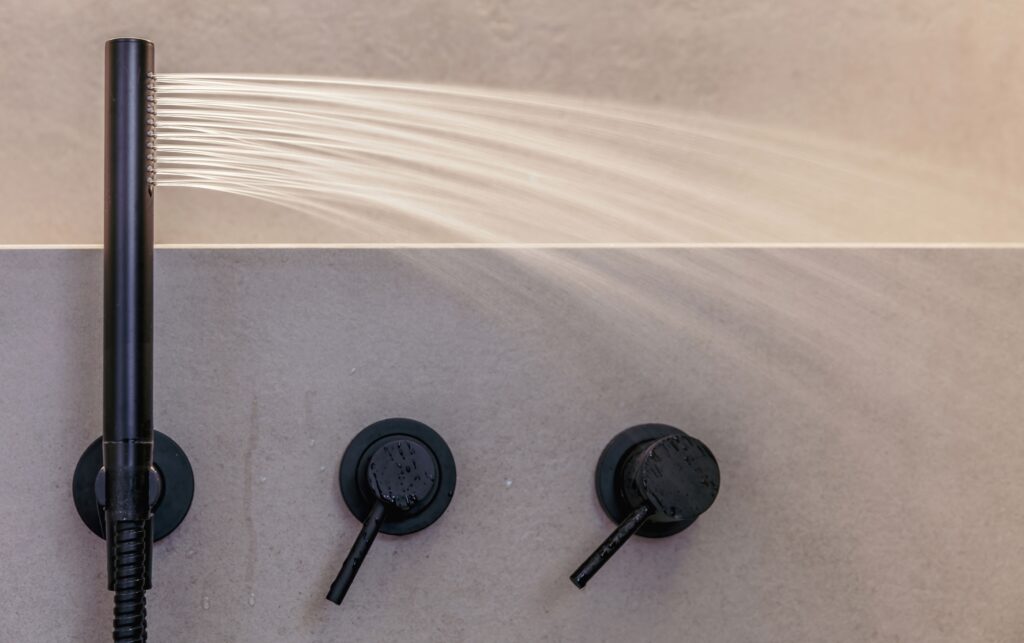
To get the best performance, start by considering your home's water pressure, who will be using the shower, and whether your existing plumbing is suitable for the upgrade.
Upgrading to a water-saving shower head is one of the simplest ways to reduce your household's water consumption without changing your daily routine. With the right combination of WELS rating, flow rate, and shower design, you can enjoy a comfortable, high-performing shower while lowering your water and energy bills for years to come.
If you're unsure which shower head is right for your home, or you're dealing with poor water pressure, leaks, or outdated fittings, professional advice can save you time, money, and frustration.
Ready to improve your shower's performance? The team at Plumberoo Plumbing can recommend and install the right water-efficient shower head for your home, while checking for any underlying plumbing issues that could be affecting pressure or wasting water. Contact us today to book your shower upgrade or plumbing inspection.
A 4-star WELS rating is the sweet spot for most Sydney homes. It sits at 6 to 7.5 litres per minute, well below the 3-star legal minimum, and delivers a noticeable cut to your water and energy bill without the pressure compromise some 5-star heads can have in low-pressure homes.
Not if the head is designed properly. Aerating shower heads with pressure-compensating technology can hold a strong, even spray at a lower flow rate because they manage delivery, not just volume. A cheap, poorly made head will feel weak regardless of its star rating, so brand and build quality matter as much as the rating itself.
Three stars is the legal minimum for any new shower head sold in Australia, a requirement under the WELS scheme since June 2022. Older shower heads installed before that date are often unrated and typically run at 15 to 20 litres per minute, making them the best candidates for an upgrade.
A simple like-for-like swap, same connection, same wall position, is usually fine as a DIY job. If you are changing the shower head format, such as adding a rail or handheld system, or moving the outlet, that becomes licensed plumbing work in NSW under the National Construction Code.
It is a reasonable request, since a water-saving shower head benefits whoever pays the water bill and costs relatively little to supply and fit. Renters on a water-included lease may need landlord approval before any plumbing work, including a like-for-like head swap, so it is worth checking the tenancy agreement first.
There's something quintessentially Australian about rinsing off under the sun after a day at the beach. For many homes outdoor shower is a practical addition that keeps sand, chlorine, dirt, and mud outside where they belong... outdoors.
But, behind every great outdoor shower, is a properly designed plumbing system.
Whether you're installing a simple cold-water rinse station beside the pool or creating a fully functional hot-and-cold shower near an outdoor bathroom or pool house, the plumbing needs to do three things well: deliver a reliable water supply, safely control water temperature, and effectively drain wastewater away.
| ❗For most Sydney homes, installing an outdoor shower means connecting to an existing cold water line or extending both hot and cold water services from the home's plumbing system. Because this work is covered under the NSW Plumbing and Drainage Act, it must be completed by a licenced plumber. |
In this guide, we'll walk you through everything you need to know about outdoor shower plumbing in NSW, including how installation works, drainage requirements, typical costs, council considerations, and why professional installation is the key to a safe, long-lasting outdoor shower.
The first decision you'll need to make is whether you want a cold-water-only shower or a hot and cold system. This choice will influence everything from the plumbing requirements and installation costs to how you'll use your outdoor shower throughout the year.
A cold-water shower is the simplest and most cost-effective option. It connects to your home's existing cold water supply, requiring a shorter pipe run and fewer plumbing components. For many NSW homeowners, that's all that's needed to rinse off sand after the beach, chlorine after a swim, or dirt after gardening.
Cold-water outdoor showers are ideal for:
If you want to use your outdoor shower as a true bathing space, a hot and cold setup is the better investment. This involves extending both hot and cold water lines from your home's plumbing system, along with additional components to ensure safe water temperatures.
While installation is more involved, the result is a comfortable shower you can enjoy year-round, whether you're washing off after an early morning surf or creating a luxury outdoor bathroom.
Hot and cold systems are well suited to:
Your home's hot water system stores water above 60 degrees to reduce the risk of bacteria such as legionella. However, under AS/NZS 3500.4, water delivered to any personal hygiene fixture, and that includes an outdoor shower, cannot exceed 50 degrees Celsius at the outlet.
That means the water needs to be cooled before reaching the showerhead.
A tempering value is a plumbing device that helps prevent scalding while keeping your outdoor shower compliant with Australian plumbing standards.
Because installing or adjusting a tempering valve is licenced plumbing work, it must be completed by a qualified plumber. If your home already has an older tempering valve, it's also worth having it checked before extending a new hot water line to your outdoor shower.
| Feature | Cold Water Only | Hot and Cold |
| Pipe run | Short, off existing cold line | Longer, ties into hot water system |
| Extra fittings needed | Tap and shower fixture | Tempering valve, insulated hot line |
| Typical cost | Lower installation cost due to simpler plumbing | Higher installation cost due to additional pipework and components |
| Best for | Quick pool or beach rinse-offs | Year-round use, guest bathrooms, outdoor living areas |
While the primary requirement for an outdoor shower is getting the water, it also needs a system to safely drain the wastewater away.
Depending on your property and the intended use of the shower, the drainage may connect to your existing sewer or stormwater system, or discharge through an approved greywater diversion system where permitted.
The right solution depends on several factors, including your property's layout, local council requirements, soil conditions, and whether there's an existing drainage point nearby. That's why drainage should always be assessed on-site by a licenced plumber rather than relying on a one-size-fits-all approach.
Without an appropriate waste system, water can:
A professionally designed drainage system prevents these problems while keeping your installation compliant with NSW plumbing regulations.
Every shower contributes to your home's greywater output, and an outdoor shower is no exception. The average Sydney household produces over 350 litres of greywater each day, with baths and showers accounting for nearly 200 litres of that total. Adding an outdoor shower naturally increases the volume of water your property generates.
If you'd like to make better use of that water, it may be possible to divert it to your garden instead of sending it to the sewer. In NSW, this can typically be done using a WaterMark-certified greywater diversion device without council approval, provided the system complies with the Plumbing Code of Australia and the property isn't located in an environmentally sensitive area.
While this can be an effective way to reduce water waste, installation is not a DIY job. Greywater diversion systems must be installed by a licenced plumber to ensure they meet all relevant plumbing standards and operate safely. It's also important to consider other compliance requirements, such as backflow prevention, to protect your home's drinking water supply.
Related reading: Learn more about the requirements in our Backflow Prevention Compliance NSW Guide.
A well-designed outdoor shower should still look and perform like new years down the track, not become another maintenance headache. Choosing the right location and materials from the outset can save you money on installation, reduce future repairs, and ensure your shower stands up to Sydney's climate.
In most cases, the most cost-effective location is close to your home's existing plumbing, typically near a bathroom, laundry, or outdoor tap, where water supply and drainage connections are easier to access.
When choosing a location, look for an area that:
Outdoor fixtures are exposed to the elements year-round, so choosing durable materials is essential. Marine-grade stainless steel and solid brass fittings offer excellent resistance to corrosion from rain, pool chemicals, and salt air, making them a smarter long-term investment than chrome-plated alternatives. This is particularly important in Sydney, where coastal conditions can accelerate corrosion even several kilometres inland.
Good ventilation helps the shower area dry quickly, reducing moisture build-up and the risk of mould. Just as importantly, the shower base and waterproofing need as much attention as the plumbing itself. Poor waterproofing is one of the most common causes of outdoor shower repairs, allowing water to seep beneath tiles or paving and cause costly structural damage over time. Getting it right during installation is far more affordable than fixing hidden water damage later.
The first step is identifying the best connection point for the new shower. Depending on your chosen setup, the plumber will connect to an existing cold water line or extend both hot and cold water services. They'll also check the available water pressure and flow to ensure the shower performs as expected.
New pipework is then run from the connection point to the outdoor shower location. The materials used are selected for outdoor conditions and, where necessary, coastal environments to help prevent corrosion and extend the life of the installation.
If you're installing a hot and cold outdoor shower, a tempering valve is fitted to safely regulate the water temperature. This ensures the shower complies with Australian plumbing standards by delivering water at a safe temperature while protecting users from scalding.
The plumber will then install the appropriate drainage solution for your property. This may involve connecting to an existing sewer or stormwater system, installing a new grated drain, or fitting an approved greywater diversion device where suitable.
Before the job is complete, the entire system is thoroughly tested. This includes checking water pressure, inspecting every connection for leaks, confirming the drainage is working correctly, and testing the isolation valve so the shower can be turned off independently for future maintenance.
Most cold-water-only installations can be completed in a single visit. Hot and cold systems, or installations requiring new drainage, typically take longer due to the additional plumbing work, safety components, and testing involved.
While a DIY setup using a garden hose and shower attachment might seem like an easy solution, it isn't designed for long-term use and won't meet NSW plumbing requirements.
Hiring a licenced plumber ensures:
The difference between an outdoor shower that lasts for decades and one that causes ongoing problems comes down to the quality of the installation. Our plumbers take care of every stage of the project, from planning the water supply and drainage through to compliance, testing, and finishing touches.
Whether you're adding a simple cold-water shower or creating a premium outdoor bathing space, contact our team today for expert advice and a tailored quote to get your project started.
An outdoor shower is one of those additions that can make a big difference to the way you enjoy your home. But while the finished result looks simple, the plumbing behind it requires careful planning to ensure the water supply, drainage, and safety features all work as they should.
Choosing the right setup, installing quality materials, and ensuring the work complies with NSW plumbing regulations will help you avoid costly repairs and enjoy years of reliable performance. By working with a licenced plumber from the start, you can be confident your outdoor shower is safe, compliant, and built to withstand Sydney's conditions.
If you're planning an outdoor shower installation, getting professional advice early can save time, money, and headaches later, while ensuring your new outdoor space is ready to enjoy for years to come.
Any work connecting a shower to your water supply or drainage system in NSW must be carried out by a licenced plumber, regardless of whether it is a simple cold-only rinse point or a full hot-and-cold setup. This applies even to small jobs that feel like they should count as DIY.
It can, and many Sydney homes run hot and cold outdoor showers for comfort year-round. It requires extending your existing hot water line, insulating the pipe run, and fitting a tempering valve to keep the delivery temperature under the legal limit of 50 degrees Celsius.
Drainage either ties into your existing stormwater or sewer connection, or discharges through a WaterMark-licenced greywater diversion device to a sub-surface irrigation area at least 100mm below the garden bed. Which option suits your property depends on your existing drainage layout and whether your area allows greywater reuse.
DIY outdoor shower kits are widely available and can be a great option if you're looking for a simple poolside rinse. However, if the shower is connected to your home's water supply or includes permanent plumbing, the installation must still be carried out by a licenced plumber and the drainage must comply with NSW plumbing requirements. Whether council approval is needed depends on how the wastewater is managed. In many cases, a compliant greywater diversion device won't require council approval, while connections to the sewer or stormwater system may be subject to additional requirements.
A loose, cracked or outdated toilet seat can make an otherwise functional bathroom feel uncomfortable every time you use it. But, replacing a toilet seat is one of the quickest and easiest DIY jobs around! In most cases, all it takes is removing two bolts, lifting off the old seat and securing the new one in place… a job that typically takes just 10 to 15 minutes with a screwdriver, an adjustable wrench and a few basic tools.
Where many people get stuck isn't the installation itself. It's choosing a replacement seat that doesn't fit properly or dealing with rusted, seized bolts that refuse to budge. Fortunately, both of these issues are easy to avoid when you know what to look for.
In this step-by-step guide, we'll show you how to measure your toilet correctly, remove the old seat (even if the fittings are stubborn), and install your new one securely without damaging the bowl. We'll also explain the warning signs that suggest the job may need professional attention, so you can tackle the project with confidence from start to finish.
Before you get started, gather everything you'll need and keep it within easy reach. Replacing a toilet seat is usually a quick 10 to 15-minute job, but having to stop halfway through to search for a tool or make an unexpected trip to the hardware store can quickly turn a simple task into a frustrating one.
Don't be surprised if you can't see the bolts straight away. Many toilet seats conceal the fixings beneath small plastic hinge covers that simply clip or flip open. Older toilet seats can present a different challenge, with years of moisture causing the metal bolts to rust and seize in place.
Before heading to the hardware store, take a few quick measurements to ensure your new seat fits just right:
If you're unsure, take the old toilet seat with you when shopping (provided it's still in one piece). Most standard Australian toilets are compatible with universal fitting kits, but some wall-faced toilets and designer models require manufacturer-specific replacement seats.
Absolutely. The shape of your toilet bowl is just as important as its measurements, if not more! Toilet seats are generally available in two common shapes:
Trying to fit the wrong shape almost always leads to problems. A round seat fitted to an elongated bowl will leave gaps and feel unstable, while an elongated seat on a round bowl will overhang the front and look awkward.
Once you've confirmed the correct size and shape, it's worth considering which hinge style best suits your household. While they all perform the same basic job, each offers different benefits depending on how the bathroom is used.

Removing an old toilet seat is usually the easiest part of the job. Most seats are held in place by just two bolts at the back of the toilet bowl, and once these are removed, the entire seat lifts away. If your toilet is older, however, you may need to deal with rusted or seized fittings before you can move on.
Start by finding the two mounting bolts that secure the toilet seat to the bowl. They're positioned at the back of the toilet where the seat hinges attach.
Reach underneath the rim and you'll usually find a pair of wing nuts or standard nuts holding the bolts in place. On many modern toilet seats, the bolt heads are hidden beneath small plastic hinge covers on top of the seat. These can usually be flipped open or gently prised off using a flathead screwdriver.
If the wing nuts turn easily, you may be able to loosen them by hand. If they're tighter, use an adjustable wrench or a pair of multi-grip pliers while holding the bolt head steady from above with a screwdriver. This prevents the bolt from spinning as you loosen the nut.
Once both nuts have been removed, simply lift the toilet seat and lid assembly away from the bowl.
This is where older toilets can become a little more challenging. Years of moisture can cause the mounting bolts to rust, making them difficult to remove.
Start by applying a penetrating lubricant to the nut and allow it to soak in for around 10 minutes. This is often enough to loosen corrosion and make removal much easier.
If the nut still won't budge, a small hacksaw may be needed to carefully cut through the bolt. Take your time and keep the blade well clear of the porcelain. Toilet bowls are surprisingly easy to chip, and one slip can quickly turn a simple DIY project into an expensive plumbing repair.
With the old seat removed, take the opportunity to thoroughly clean the exposed rim and hinge mounting area. These sections are difficult to reach during normal bathroom cleaning and often collect grime, soap residue and bacteria over time.
A quick spray with disinfectant and a wipe-down with a clean cloth will leave the surface fresh and provide a clean base for your new toilet seat to sit securely. It's a small step that makes a noticeable difference, and one you won't get another chance to do until the next time the seat comes off.
With the old seat removed and the toilet cleaned, you're ready to fit the replacement.
Position the new toilet seat so the hinge mounts line up with the two fixing holes at the back of the toilet bowl.
Most modern toilet seats include all the required mounting hardware, with the plastic or stainless steel bolts, washers and fittings supplied in the box. Simply insert the bolts through the mounting holes, making sure the seat is centred over the bowl before securing anything in place.
Attach the washers and nuts underneath the bowl, then tighten them by hand until they're snug. Once both sides are in place, use an adjustable wrench or pliers to give each nut a final quarter turn.
Avoid the temptation to overtighten. The seat should feel secure, but excessive force can place unnecessary pressure on the porcelain. While toilet bowls are designed to withstand everyday use, the mounting holes are one of the few areas where too much tightening can lead to cracks or damage, an expensive problem that's easily avoided.
Lower the seat and lid a few times. It should sit flush against the bowl on both sides, not tilted, and close without catching. If one side sits higher, loosen that bolt slightly, re-centre the seat, and retighten evenly on both sides.
🚽A tip on soft close seats: If you've fitted a soft close toilet seat installation kit, the lid will drop under its own weight in the last few centimetres rather than snapping. If it still slams, check the small dampers on each hinge weren't left in transport lock position, a common reason new soft close seats seem faulty when they're actually just switched off.
A wobble almost always means one bolt is looser than the other, or the seat wasn't centred before both sides were tightened. Loosen both nuts slightly, straighten the seat by eye, and retighten evenly. If it still rocks after that, the bumpers on the underside of the seat may be worn or missing, which is a quick fix rather than a full loose toilet seat fix involving new bolts.
A toilet seat won't stay tight for one of two reasons: plastic wing nuts have worn their threads from repeated tightening, or the bolt itself is spinning inside the hinge because the retaining clip has broken. Both are seat problems, not bowl problems, and both are solved by buying a fresh set of mounting hardware rather than the whole seat again.
A properly fitted seat that still wobbles, or a base that feels damp or spongy underfoot near the toilet, points somewhere else entirely. That's usually a loose toilet connection to the floor, a failing wax ring, or in older bathrooms, a cracked pan you can't see from above.
When to stop and call a plumber
Most toilet seat replacements are simple DIY jobs, but sometimes you'll uncover a bigger issue once the old seat comes off.If the toilet itself rocks (rather than just the seat), you notice water around the base, or a mounting bolt has snapped off inside the toilet, it's a good idea to stop and call a plumber. If you've discovered a bigger toilet plumbing issue, our experienced plumbers are here to help. We'll identify the cause, carry out any necessary repairs, and make sure your toilet is secure, leak-free and ready for a new seat!
Replacing a toilet seat is one of those DIY jobs that looks more complicated than it actually is. With the right replacement seat, a few basic tools and the steps in this guide, most people can complete the job in under 15 minutes!
The key is taking the time to measure your toilet properly, choosing the correct seat, and tightening the fittings carefully without overtightening. If you run into rusted bolts or discover signs of a bigger plumbing issue, don't force the repair, it could end up costing more in the long run.
If your toilet seat replacement turns into something more than a simple DIY fix, our plumbers are only a phone call away. From repairing loose or leaking toilets to replacing damaged fittings, we'll get everything working safely and securely so you can get back to using your bathroom with confidence.
A leaking shower rarely starts as a major problem. It often begins with a small puddle, a damp patch, or a few drops of water that are easy to overlook. But behind those early warning signs could be a much bigger issue developing, with ongoing moisture causing damage long before the problem becomes obvious!
The key is knowing where the water is coming from. Most leaking showers come down to one of two issues: a dripping showerhead or tap caused by a worn component, or water escaping from the shower base or walls due to a sealing or waterproofing failure. While replacing a worn washer or seal may be a quick fix, a failed waterproofing system requires professional attention to prevent ongoing damage.
In this guide, we’ll cover the most common causes of leaking showers, how to identify the warning signs, which repairs you may be able to handle yourself, and when it’s time to call in a professional. We’ll also look at the potential costs involved, so you can understand your options and make an informed decision before a small leak becomes a major repair bill.
While some problems are obvious, many leaks develop slowly behind walls, under tiles, or around waterproofing layers where they can cause damage for months before the issue becomes noticeable.
Here are some signs to look for:
These signs can give you a good indication that something isn’t quite right, but they don’t always tell the full story. The next step is working out where the water is coming from, whether it’s a leaking showerhead or tap, or whether water is escaping from the shower base, tiles, or waterproofing behind the walls.
| 💧A simple water meter test can help identify whether there is an active leak somewhere on your property. Turn off all taps, appliances and water outlets, take note of your water meter reading, then check again after around an hour without using any water. If the reading has changed, it indicates water is escaping somewhere. |
Finding the source, however, requires a closer inspection. A dripping showerhead or faulty tap component may be a relatively straightforward repair, while leaks caused by failed waterproofing or damaged shower structures often require specialist repairs to prevent further damage. The sooner you identify the cause, the easier it is to prevent a small leak from becoming a major renovation project.
A dripping showerhead or tap is one of the more straightforward types of shower leaks to fix. In many cases, the issue comes down to a worn component that can be replaced relatively quickly and affordably.
Over time, the internal parts that control the flow of water can wear out and stop creating a proper seal. Traditional taps typically use a rubber washer that presses closed when the tap is turned off. After years of use, these washers can become hardened, cracked or worn down, allowing small amounts of water to leak through.
Modern mixer taps work differently and usually rely on a ceramic cartridge to control water flow. Rather than gradually deteriorating like a washer, cartridges often fail more suddenly, resulting in a noticeable drip that appears almost overnight.
Replacing a worn tap washer is usually a simple and inexpensive repair for traditional taps. Cartridge replacement can be slightly more involved, especially with wall-mounted mixers where accessing the component may require extra care to avoid damaging surrounding tiles or fittings.
If the drip is happening at the joint where the showerhead meets the arm, rather than through the head itself, the usual culprits are a showerhead that's worked loose, a worn O-ring at the fitting, or PTFE thread tape that's dried out and stopped sealing.
These are generally surface-level issues that can often be resolved by resealing the connection or replacing a worn fitting.
Sometimes the issue isn’t the tap or shower fitting itself, but the amount of pressure pushing through your plumbing system. Excessively high water pressure can put extra strain on washers, seals and cartridges, causing them to fail sooner than expected.
If your taps have a particularly strong flow, or you’ve noticed multiple fixtures around your home starting to drip, it may be worth checking your water pressure before replacing individual components. Installing or adjusting a pressure-limiting valve can help protect your plumbing fixtures and prevent recurring leaks.
If replacing the washer, seal or cartridge doesn’t solve the problem, there may be a deeper issue within your plumbing system. Rather than continuing to swap out parts and hope for the best, it’s worth getting a plumber to take a closer look and identify the real cause of the leak. This can help prevent the issue from coming back and avoid potential damage further down the track.
A leak coming from the shower base or walls is a very different problem to a dripping showerhead or tap. These leaks are often harder to spot because the water may be slowly travelling behind tiles, into walls, or underneath flooring before any visible signs appear. By the time you notice damp patches or damage, the underlying issue may have already been developing for some time.
Some shower leaks are caused by simple sealing issues, while others involve the waterproofing system behind your tiles and require professional repairs.
The silicone seals around your shower (shower scree, wall joins and where the floor meets the walls) play an important role in keeping water where it belongs.
Over time, silicone naturally breaks down. It can shrink, crack, become mouldy, or start pulling away from the surfaces it was designed to seal. Once gaps appear, water can seep behind the shower structure and create ongoing moisture problems.
Damaged silicone is one of the more common, and often simpler, shower leak issues to repair. Removing the old seal and applying new bathroom-grade silicone can restore the barrier and help prevent further water escape.
While grout helps keep your shower looking clean and finished, it isn’t the waterproof barrier protecting your bathroom. The waterproof membrane underneath your tiles is responsible for stopping water from reaching the structure behind the shower.
However, cracked, missing or deteriorating grout can create an easier path for water to travel behind the tiles. If these cracks have been present for a long time, moisture may already have reached the waterproofing layer underneath.
Small areas of damaged grout can sometimes be repaired or replaced, but recurring cracks or widespread deterioration may be a sign of a bigger waterproofing issue.
Behind every properly constructed tiled shower is a waterproof membrane designed to protect the walls and floor from moisture. This membrane sits beneath the tiles and acts as the final barrier preventing water from reaching the building structure.
When a waterproof membrane fails, water can seep behind tiles and into wall cavities or flooring materials. Unlike a damaged silicone seal or grout line, this isn’t something that can be fixed with a surface-level repair like resealing or regrouting.
Signs of a possible waterproofing failure include:
Ignoring these warning signs can allow moisture to continue spreading, potentially damaging timber framing, plasterboard and other structural materials. This can eventually become a much larger project involving tile removal, waterproofing repairs and rebuilding sections of the shower.
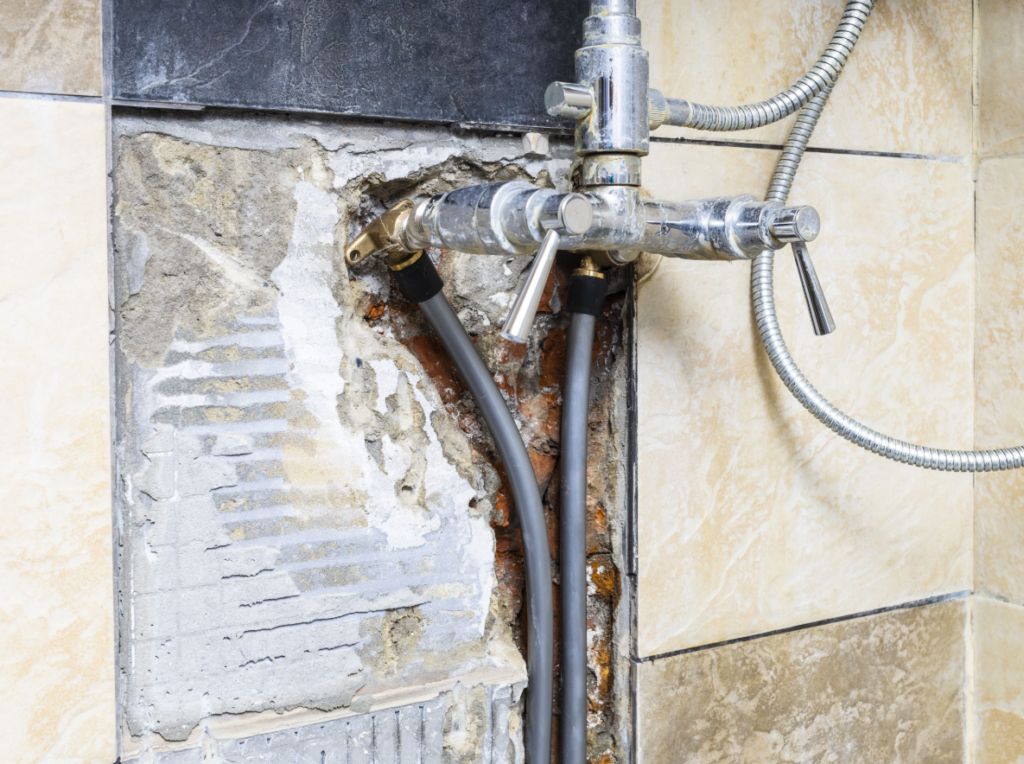
Not all shower leaks come from what you can see. Sometimes, the source of the problem is hidden behind the wall, with leaking pipes, worn connections or faulty plumbing components allowing water to escape before it ever reaches the shower floor.
A leaking pipe can be harder to identify because there may be no visible signs inside the shower itself. Instead, you might notice:
Plumbing leaks can occur due to ageing pipes, loose fittings, damaged seals, poor installation or general wear and tear over time. In some cases, the leak may only appear when the shower is running, while others can continue slowly in the background.
Because these pipes are often concealed behind walls or tiles, accurately locating the source usually requires professional leak detection. Attempting to repair a hidden plumbing issue without the right tools can lead to unnecessary damage and may only temporarily hide the problem.
Read More: How To Spot Leaks
Not every leaking shower requires a call-out from a plumber. Some minor issues can be fixed with a few basic tools and a bit of DIY know-how. However, knowing where to draw the line is important. Attempting the wrong repair can sometimes make the problem worse or hide a more serious issue.
| May Be Safe to Fix Yourself | Needs an Expert |
| Replacing a tap washer on an accessible traditional tap where the issue is caused by a worn or damaged washer. | Replacing a shower cartridge, especially if it is located inside the wall cavity or requires access behind tiles. |
| Resealing visible silicone around the shower screen or wall junctions, provided the old silicone is fully removed and the surface is properly cleaned before applying new sealant. | Leaks that continue after replacing washers, seals or O-rings, which may indicate a deeper plumbing issue. |
| Repairing minor grout cracks where the tiles underneath are secure and there are no signs of movement, moisture damage or hollow sounds. | Soft, springy or hollow-sounding tiles, which may indicate water has reached the waterproofing membrane underneath. |
| Waterproofing repairs, tile removal or shower base replacement, which require specialist skills and compliance with waterproofing standards. | |
| Persistent damp patches, staining or mould on nearby walls, ceilings or floors, which may indicate hidden water damage. |
Trying to fix a shower leak yourself can be tempting, especially when it looks like a simple problem. However, some repairs can be trickier than they first appear.
For example, forcing access to a hidden cartridge could damage your tiles, while adding new silicone over an underlying waterproofing issue may only hide the problem temporarily.
If you’re not sure where the leak is coming from, it’s always better to get it checked sooner rather than later. A professional assessment can help identify the real cause, prevent further damage and make sure the right repair is completed the first time.
At Plumberoo, our team can help with everything from simple tap repairs and washer replacements through to more complex shower leaks, waterproofing issues and bathroom repairs across Sydney homes, strata properties and commercial buildings.
Read More: Signs You Need Shower Repairs
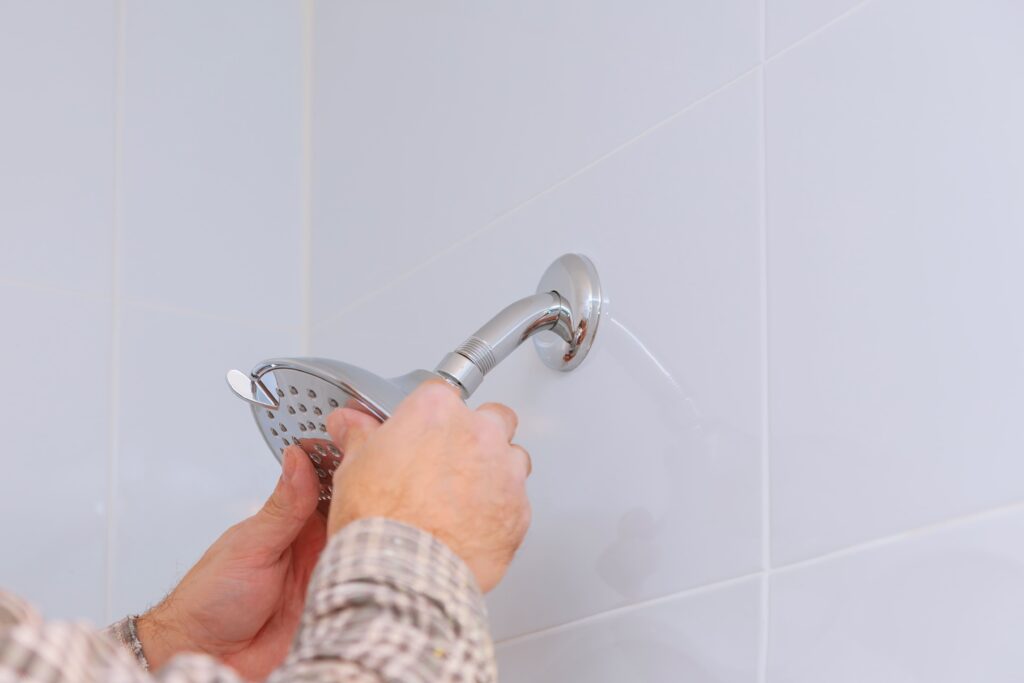
The cost of repairing a leaking shower can vary significantly depending on where the leak is coming from, how long it has been left untreated, and the extent of any damage behind the scenes. A small issue like a worn tap washer may only cost a few dollars to fix, while a failed waterproofing system can require extensive repairs involving tiles, membranes and surrounding structures.
As a general guide, shower leak repair costs in Sydney typically fall within the following ranges:
| Repair Type | Typical Sydney Market Range* |
| Tap washer or O-ring replacement (DIY) | $5 - $15 in parts |
| Cartridge replacement (licenced plumber) | $150 - $300 |
| Silicone reseal (screen and joints) | $200 - $400 |
| Regrout and reseal | $300 - $600 |
| Waterproof membrane repair (licenced waterproofer) | $1,500 - $4,000+ |
| Full strip-out and retile (major membrane failure) | $4,000 - $8,000+ |
*These are general Sydney trade price ranges only. The final cost will depend on the condition of your shower, the cause of the leak and the work required to fix it properly.
| 💡Several factors can push a repair towards the higher end of the price range. For example, costs may increase if water damage has affected the timber or materials behind the tiles, if your existing tiles are no longer available and need to be replaced, or if the shower has difficult access due to surrounding cabinetry or a shared wall. |
A leaking shower is one of those problems that can be easy to put off… especially when the signs seem minor. But left untreated, you open your bathroom (and wallet) to much bigger problems!
The key to avoiding unnecessary damage is identifying the cause early and choosing the right solution. While some minor issues can be fixed with a simple DIY repair, leaks caused by plumbing problems or failed waterproofing require professional attention to ensure they’re fixed properly.
At Plumberoo, our experienced Sydney plumbers can diagnose and repair leaking showers of all types, from small plumbing issues through to more complex waterproofing and bathroom repairs. Contact our team today to find the cause of your shower leak and get it fixed properly.
A worn tap washer or O-ring is the most common cause on traditional taps, since the seal can no longer hold once the handle is closed. On modern mixer showers, a worn ceramic cartridge is the usual cause. High water pressure can also push water past a seal that would otherwise hold. Start with a washer or O-ring check, since it's the cheapest and quickest thing to rule out.
Look for soft or springy tiles underfoot, grout that's cracked or crumbling at the floor-wall junction, mould that returns within days of cleaning, and damp patches or staining on adjacent walls or ceilings. Tap the floor tiles gently. A hollow sound means water has already worked its way underneath, and the longer it's been there, the more it's likely to cost to fix.
It depends on where the leak is. A washer, O-ring or accessible showerhead fitting is generally safe to DIY. Resealing visible silicone and regrouting solid tiles are also manageable jobs. Anything involving a cartridge inside the wall, a shower base, or signs of a failed waterproof membrane needs a licenced plumber or waterproofer.
Replacing a washer or the showerhead itself is fine as DIY. Cartridge replacement or anything inside the wall cavity should go to a licenced plumber. Waterproofing membrane work must always be carried out by a licenced waterproofer in NSW under AS 3740, and it's a legal requirement, not a preference. Unlicenced waterproofing can void home insurance and leave you without a compliance certificate.
Plumberoo works directly with strata managers across Sydney, coordinating plumbing assessments and waterproofing referrals across multiple units or common property without you having to manage separate trades for each job.
A tired, leaking or outdated shower head can make every shower less enjoyable, but replacing it is often much easier than you might think. In fact, it's one of the quickest plumbing jobs around.
With just an adjustable wrench, a soft cloth and a roll of plumber's tape, most homeowners can swap out a shower head in under 20 minutes, often without needing to call a plumber.
This step-by-step guide will show you how to replace a shower head correctly. We'll also explain how to choose a replacement that suits your home's water pressure, improves your showering experience and could even help reduce your water usage. And while it's a straightforward DIY task in most cases, we'll also cover the signs that it's time to stop and call a professional plumber, such as a corroded shower arm, persistent leaks or ongoing low water pressure that a new shower head won't fix.
A leaking shower head is one of the most obvious signs that it's time for a replacement, but it's far from the only one. Over time, shower heads can become clogged with mineral deposits, wear out internally or simply become less efficient than newer models.
If your once-powerful shower has turned into a weak trickle or the water sprays in every direction except where you want it, there's a good chance the shower head is to blame. Mineral deposits from hard water gradually block the small spray nozzles, reducing water flow and creating an uneven spray pattern.
Cleaning the shower head with a vinegar soak may remove light scale buildup, but if the nozzles remain blocked or the internal components have deteriorated, replacing the shower head is usually the most effective solution.
Before buying a new shower head, check whether the issue is isolated to your shower. If every tap around the house has low water pressure, the problem is likely somewhere within your home's plumbing rather than the shower head itself.
💡In that case, our guide on how to increase water pressure at home offers more troubleshooting tips.
A shower head that continues dripping after you've turned the tap can be a sign that internal seals or washers have worn out. While some minor leaks can be repaired, persistent dripping often indicates that the shower head has reached the end of its lifespan.
Ignoring a leak can lead to more than wasted water. If water begins escaping behind the wall instead of through the shower head, it can cause hidden moisture damage, mould growth and costly repairs. If you've noticed damp walls, loose tiles or leaks that won't stop, it's time to have the plumbing inspected.
Our shower repairs team can identify the source of the problem and recommend the right solution.
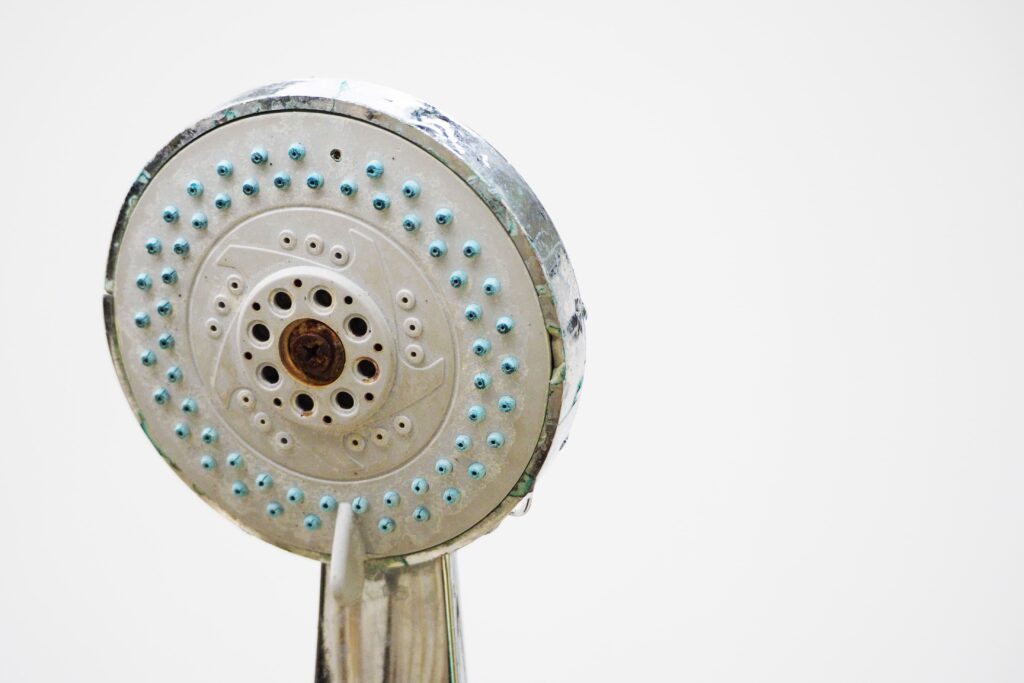
Visible rust, heavy limescale or corrosion are all signs that your shower head is due for replacement. Aside from affecting performance, older shower heads are often far less water-efficient than modern models.
Many shower heads installed before the mid-2000s can use between 15 and 25 litres of water per minute. In comparison, a modern 3-star WELS-rated shower head typically uses 9 litres per minute or less, helping reduce both water consumption and household utility bills without sacrificing shower performance.
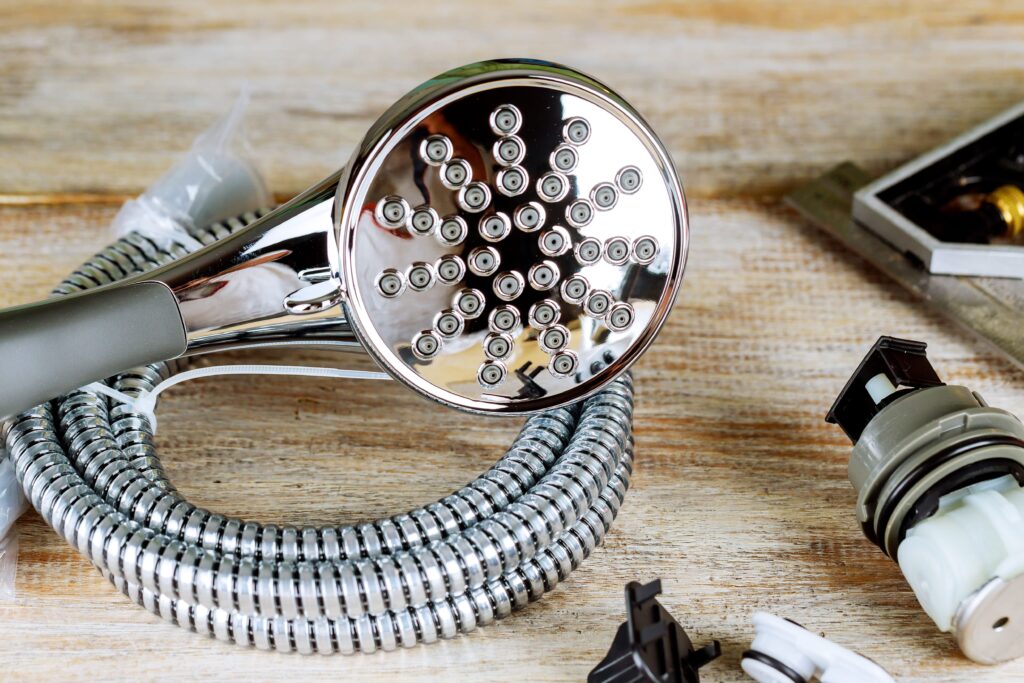
Replacing a shower head doesn't require a toolbox full of specialist equipment. In fact, most households already have everything needed to complete the job. If you're missing an item or two, they're inexpensive and readily available from most hardware stores.
💡If your existing shower head has been in place for many years, soft-jaw pliers can also be a worthwhile addition. Over time, corrosion and mineral deposits can effectively bind the shower head to the shower arm. Soft-jaw pliers provide extra grip while helping to protect the finish, whereas standard metal pliers can easily leave permanent marks or scratches.
You don't need to turn off your home's water supply for this job, just make sure the shower taps are fully off before you begin.
Grip the shower head where it connects to the shower arm and turn it counterclockwise. Many shower heads will loosen by hand. If yours is stuck, wrap a soft cloth around the fitting to protect the finish, then use an adjustable wrench or pliers to gently loosen it. Apply steady pressure rather than forcing it, as excessive force can damage the shower arm or fittings.
| Handheld shower heads |
| If a handheld shower head is being replaced, disconnect the hose from the head first, then remove the wall bracket separately if it's being swapped too. |
Once the old head is off, inspect the threaded end of the shower arm. It's common to find remnants of old plumber's tape, soap residue or mineral deposits that have built up over time.
Remove any old tape and wipe the thread clean with a cloth. For stubborn buildup, use an old toothbrush or a small piece of fine steel wool. Taking a few extra minutes to clean the thread properly helps create a better seal and is often more important than tightening the new shower head as much as possible.
Wrap fresh plumber's tape (PTFE or Teflon tape) clockwise around the shower arm thread, the same direction you'll be installing the new shower head. Wrapping it this way prevents the tape from unravelling as you tighten the fitting.
Around six to eight overlapping wraps is typically enough to create a reliable watertight seal. Keep the tape smooth and even as you wrap, avoiding folds or bunching that could prevent the shower head from threading on correctly.
Screw the new shower head onto the shower arm by hand, turning it clockwise until it feels snug. In most cases, hand-tightening is sufficient. If needed, use a wrench to give it a small additional turn, but only enough to secure the fitting.
⚠️Avoid overtightening, as this can crack plastic fittings, damage threaded connections or even place unnecessary stress on the plumbing behind the wall.
Once installed, turn the shower on and let the water run for a minute. Check the connection where the shower head meets the shower arm for any signs of dripping. If you notice a small leak, gently tighten the fitting or remove it and apply another layer of plumber's tape before reinstalling. Once the connection remains dry while the shower is running, your new shower head is ready to use.
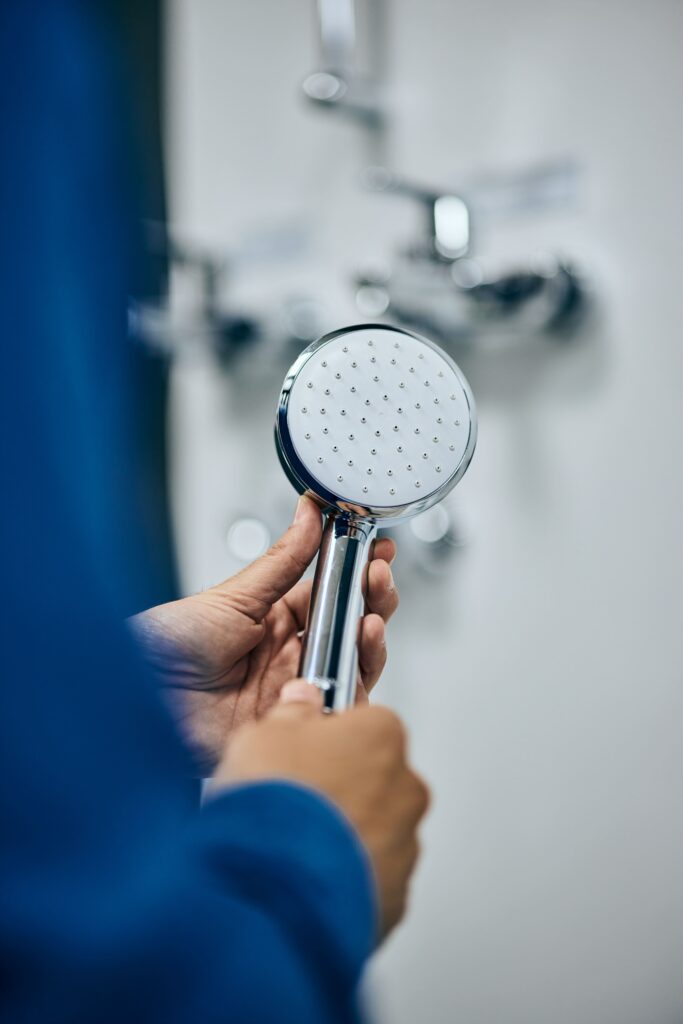
Not all shower heads deliver the same showering experience. The right choice depends on your preferred spray style, your household's water pressure and how efficiently you want to use water. Fortunately, modern shower heads offer excellent performance while meeting Australia's strict water efficiency standards.
Every shower head sold in Australia carries a WELS (Water Efficiency Labelling and Standards) rating, making it easy to compare water efficiency before you buy.
Since June 2022, the minimum standard for new shower heads has been 3 stars, limiting water flow to 9 litres per minute under the Plumbing Code of Australia. This means any new shower head you purchase will already meet current water-saving requirements.
However, not all 3-star shower heads perform exactly the same. While some deliver the full 9 litres per minute for a strong, satisfying shower, others operate at 4.5 to 6 litres per minute, creating a softer spray. If shower pressure is important to you, it's worth checking the actual flow rate on the packaging rather than relying on the star rating alone.
| Style | Best For | Typical Water Use |
| Fixed | Standard bathrooms, simple wall or ceiling mount | 9 litres per minute or less (3 star WELS) |
| Handheld | Rinsing kids, pets, or cleaning the shower recess | 9 litres per minute or less, same WELS cap |
| Rain (overhead) | A wide, soft spray, often ceiling mounted | Varies, check the WELS label as models differ |
| Combination | Fixed overhead plus a handheld on a diverter valve | Combined flow depends on both heads, check labels |
Most Australian shower heads are designed to fit the standard ½-inch BSP thread, so replacing an existing shower head is usually a simple swap.
If your home is older, however, it's worth checking the condition of the shower arm before purchasing a replacement. Years of corrosion, previous repairs or damaged threads can sometimes prevent a new shower head from sealing properly. If the new fitting won't screw on smoothly or continues to leak despite applying fresh plumber's tape, the issue is likely with the shower arm rather than the shower head itself.
💡 If you're planning a complete bathroom refresh, including new taps and fixtures, our guide to choosing tapware can help you select products that suit both your plumbing and your style.
Replacing a shower head is usually a quick and straightforward DIY task. However, if you run into any of the issues below, it's best to stop rather than risk damaging your plumbing or turning a small repair into a much bigger one.
| 🚿 Hit a snag? Leave it to the experts. If your shower head is still leaking, the plumbing is damaged or the water pressure hasn't improved, Plumberoo can get to the root of the problem. Our licensed Sydney plumbers provide fast, reliable repairs to stop leaks, restore pressure and get your shower working properly again. |
Replacing a shower head is one of the easiest ways to improve your daily shower, reduce water usage and refresh your bathroom without a major renovation. With the right tools and a little preparation, it's a simple DIY project that most homeowners can complete in under 20 minutes.
The key is taking your time, clean the threads properly, apply fresh plumber's tape and avoid overtightening the new fitting. If everything goes to plan, you'll have a leak-free shower that's ready to enjoy.
If you discover persistent leaks, damaged pipework or water pressure problems along the way, don't force the repair. Calling a Plumberoo plumber early can save you from more expensive damage down the track. Whether you need help replacing a shower head or diagnosing a larger plumbing issue, the Plumberoo team is ready to help with fast, reliable service across Sydney.
When something goes wrong at home, it's easy to assume a plumber can fix it all. But when gas is involved, that's not always the case.
While plumbers and gas fitters often work side by side, they aren't the same trade. In NSW, each requires a separate licence with different qualifications and responsibilities. A licenced plumber works on your property's water supply, drainage and sewerage systems, while a licenced gas fitter is qualified to install, repair and maintain gas lines and gas appliances. Holding a plumbing licence alone doesn't automatically allow someone to carry out gas work, and the reverse is also true.
Choosing the right professional isn't just about convenience. Gas work completed without the appropriate licence can be illegal and may not be covered by a valid Certificate of Compliance if issues arise later. In some cases, such as installing a new gas hot water system, you'll need both plumbing and gas fitting expertise, ideally from a dual-licenced tradesperson who can complete the entire job safely and efficiently.
In this guide, we'll explain the key differences between plumbers and gas fitters, when you need each trade, and how to make sure you're hiring the right licenced professional for the job.
The difference between a plumber and a gas fitter comes down to more than just the type of work they do. It also comes down to licensing, safety and what they're legally allowed to work on.
A plumber deals with your home's water supply, drainage and sewerage systems, while a gas fitter is licenced to install, repair and maintain gas lines and gas appliances.
Neither licence automatically includes the other. A licenced plumber can't legally carry out gas work unless they also hold a gas fitting qualification, and a licenced gas fitter isn't qualified to perform general plumbing work. This distinction exists for good reason. Gas installations are subject to strict Australian safety standards, and every gas job must be tested and certified to ensure it's safe to use.
A plumber is a licenced tradesperson who installs, repairs and maintains the water supply, drainage and sewerage systems in and around your home. In NSW, plumbers complete a Certificate III in Plumbing, typically through a four-year apprenticeship, before obtaining a contractor licence through NSW Fair Trading.
Their work focuses on ensuring clean water flows safely into your property and wastewater flows out efficiently. From everyday maintenance to major repairs, plumbers are responsible for keeping your home's plumbing systems operating reliably.
Common plumbing jobs include:
While plumbers are highly skilled across all aspects of water and drainage systems, their licence doesn't automatically allow them to perform gas work. For example, a plumber can install the water connections to a gas hot water system, but they cannot legally connect the gas supply unless they're also a licenced gas fitter.
A gas fitter is a licenced tradesperson qualified to install, repair, service and test gas lines and gas-powered appliances. Because gas installations carry higher safety risks, gas fitting requires its own qualifications and licensing. In NSW, this means completing a Certificate III in Gasfitting and holding the appropriate contractor licence.
Gas fitters ensure every gas installation meets strict Australian safety standards and is thoroughly tested before being used. Once the work has been completed and inspected, they issue a Certificate of Compliance, confirming the installation is safe and compliant.
Typical gas fitting services include:
If you smell gas, suspect a leak or have a gas appliance that's not working correctly, a licenced gas fitter is the professional to call. Attempting gas work without the appropriate licence is not only unsafe but can also be illegal.
The one exception is a dual-licenced plumber and gas fitter. These professionals hold qualifications in both trades, allowing them to complete jobs involving both water and gas systems during a single visit.
For example, installing a new gas hot water system requires plumbing work for the water connections and gas fitting work for the gas supply. Hiring a dual-licenced tradesperson means the entire installation can be completed safely, legally and efficiently without needing to organise two separate contractors.
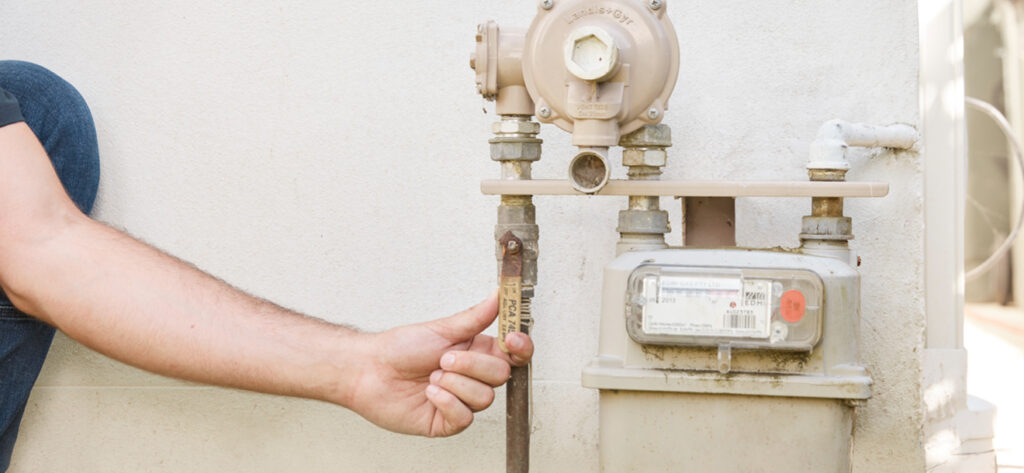
Most household repairs fall clearly into either plumbing or gas fitting, but some projects require expertise in both. Here’s what you should know:
If the issue involves your home's water supply, drainage or sewerage system, you'll need a licenced plumber. These are some of the most common plumbing jobs:
Whether it's a minor leak or a major plumbing emergency, a licenced plumber has the qualifications to diagnose the problem and restore your home's water systems.
If the problem involves gas appliances or gas pipework, it's essential to call a licenced gas fitter. Gas work requires specialist training and must meet strict Australian safety standards.
⚠️Because faulty gas installations can pose serious safety risks, these jobs should never be carried out by someone without the appropriate gas fitting licence.
Some home improvement projects involve both your plumbing and gas systems, meaning you'll need a professional qualified in both trades.
In these situations, hiring a dual-licenced plumber and gas fitter is often the most efficient solution. One qualified tradesperson can complete the entire job, reducing coordination between contractors, saving on multiple call-out fees and ensuring every aspect of the work complies with NSW regulations.
Need Plumbing, Gas Fitting or Both? At Plumberoo, you don’t have to guess. One call is all it takes. Our dual-licenced team is qualified to handle both plumbing and gas fitting, so whether you're dealing with a burst pipe, a blocked drain, a gas leak or a new gas hot water system, we'll send the right expert the first time.
Plumbing and Gas Fitting Regulations in NSW
Safety isn't optional when it comes to plumbing and gas. Unregulated work can put your home, your family and your finances at risk. From gas leaks and carbon monoxide exposure to water damage and failed building inspections, work carried out by an unlicenced tradesperson can have serious consequences.
In NSW, strict licencing and compliance laws are in place to protect homeowners, ensuring every installation, repair and replacement is completed safely and to Australian standards.

Every plumbing and gas installation must comply with nationally recognised Australian Standards.
These standards help ensure your home's plumbing and gas systems operate safely, efficiently and reliably for years to come.
One of the biggest differences between DIY or unlicenced work and work completed by a licenced professional is the Certificate of Compliance.
For gas fitting work, licenced contractors are legally required to inspect, test and certify the installation before issuing this certificate. It confirms the work complies with NSW regulations and Australian Standards.
Without a valid Certificate of Compliance:
Simply put, the certificate provides peace of mind that the job has been completed correctly and legally.
Before hiring anyone to work on your home, it's worth taking a few minutes to verify their credentials.
NSW Fair Trading maintains a free public register where you can search a contractor by licence number or business name. This allows you to confirm they hold the correct licence for the work you need, whether that's plumbing, gas fitting or both.
It's also worth asking a few simple questions before work begins:
A reputable contractor should have no hesitation answering these questions and providing proof of their qualifications.
While plumbers and gas fitters often work together, they aren't the same, and choosing the right licenced professional is essential. The right expertise doesn't just mean a faster repair; it means safe, compliant workmanship that protects your home and gives you complete peace of mind. If your job involves both water and gas, a dual-licenced tradesperson can complete everything in one visit, saving you time, money and the hassle of organising multiple contractors.
At Plumberoo, we do it all. Our fully licenced plumbing and gas fitting team delivers fast, reliable service across Sydney, handling everything from blocked drains and burst pipes to gas leaks, appliance installations and hot water systems. Whatever the job, you can trust us to get it done safely, efficiently and right the first time. Need expert help? Contact Plumberoo today and let our team take care of the rest.
No. They're separate licenced trades. A plumber is licenced under a Certificate III in Plumbing for water, drainage and sewerage work. A gas fitter is licenced under a Certificate III in Gasfitting for gas lines and appliances. Some tradespeople hold both, but the licences are never combined into one.
Only if they've completed the extra training and hold a current gas fitting licence alongside their plumbing licence. A general plumbing licence on its own doesn't authorise any gas work, no matter how experienced the plumber is in other areas.
Both. A plumber installs the tank and connects the water lines. A gas fitter connects and tests the gas line and issues the Certificate of Compliance. Booking a tradesperson licenced in both, like Plumberoo, means one visit instead of two.
Ask for their NSW Fair Trading licence number and search it on the free public register at fairtrading.nsw.gov.au. The listing shows exactly which categories, plumbing, gas fitting, or both, that licence covers.
There's no valid Certificate of Compliance, which means your home and contents insurer can refuse to pay out if the work causes damage or injury later. It can also hold up a property sale if a buyer's building inspection flags uncertified gas work.
No separate call-out applies for combining the two. Plumberoo's plumbers are dual licenced, so a job needing both trades is quoted and completed as one visit, with the same under 2 hour response and no call-out fee before 3pm Monday to Friday that applies to any other job.
Think backflow prevention doesn't apply to your home? Think again. A simple garden hose, irrigation system or rainwater connection can be enough to put your property at risk of contaminating the drinking water supply if the proper protection isn't in place.
In NSW, every property connected to Sydney Water must have backflow protection that matches its hazard rating. For many standalone homes, that means a low hazard rating, but features like rainwater tanks connected to the mains, pool auto-fill systems or irrigation can change the level of protection required.
Ignoring backflow compliance can lead to fines, water supply restrictions and, in serious cases, liability if contaminated water enters the public network. Fortunately, staying compliant is usually straightforward when you understand what's required.
In this guide, we'll explain what backflow is, how it happens, which properties need backflow prevention devices, and what NSW homeowners need to do to stay compliant and protect both their household and the wider community.
Backflow is when water reverses direction in your plumbing and flows back into the mains instead of out of it. Because dirty water, garden chemicals or wastewater can travel with it, a working backflow prevention device is what keeps your clean water separate.
There are two ways backflow can occur:
Unlike a leaking tap or blocked drain, backflow isn't just an issue for your property. It has the potential to affect neighbouring homes and businesses connected to the same water supply. For this reason, certain properties are required to have compliant backflow prevention devices installed, tested and certified.
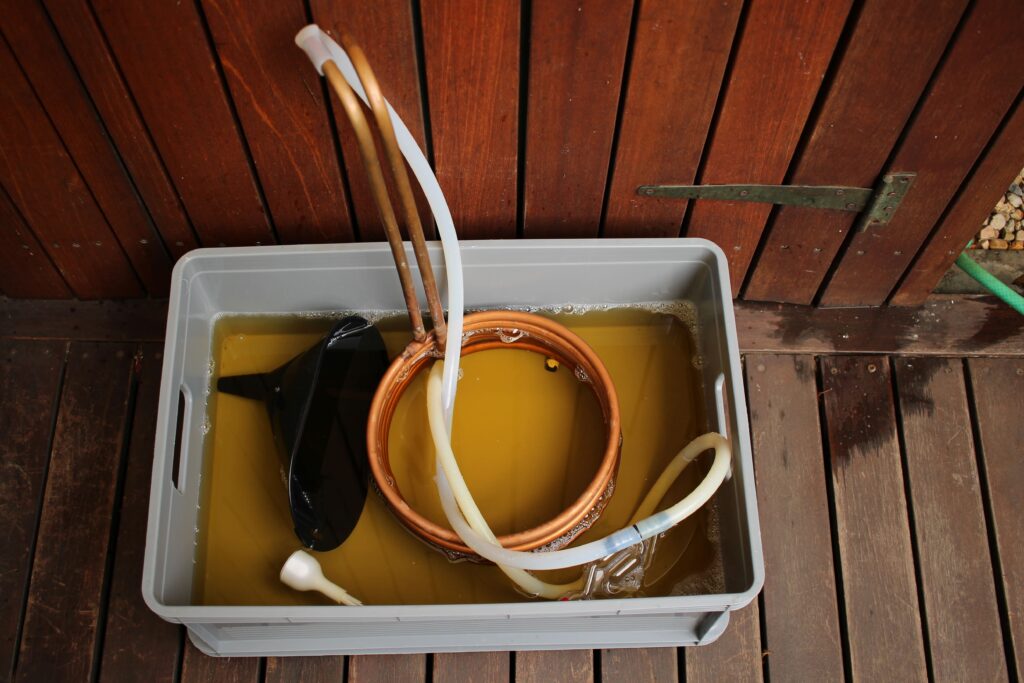
Backflow prevention in NSW is governed by the Plumbing Code of Australia and the AS/NZS 3500 Plumbing and Drainage Standards, with compliance enforced by Sydney Water and local councils. If your property is connected to the Sydney Water network, meeting these requirements isn't optional is a legal obligation designed to protect the public drinking water supply.
| 👨🔧 Only a licenced, backflow-accredited plumber can assess your property's hazard rating, install the correct device, and carry out the testing and certification required for compliance. |
Not every property poses the same risk to the drinking water supply, which is why NSW classifies backflow hazards into low, medium and high-risk categories. Your property's hazard rating determines the type of backflow prevention device required and whether it needs ongoing compliance testing.
A property's hazard rating is determined by how you water supply is connected and used. An accredited backflow plumber will assess factors such as rainwater connections, irrigation systems, fire services and any equipment that could allow contaminated water to enter the mains.
⚠️ If your property's hazard rating hasn't been assessed, it may be classified as a high hazard until a qualified plumber completes an assessment. This can result in more stringent compliance requirements and the need for a higher-level backflow prevention device.
| Hazard Rating | Typical Property | Required Device | Testing Frequency |
| Low | Standard freestanding home, no special connections | Non-testable device (often built into 20mm/25mm meter) | No annual test required |
| Medium | Rainwater tank on mains, irrigation, home with fire sprinkler service | Testable double check valve (plus double check detector assembly for fire services) | On installation, then every 12 months |
| High | Industrial sites, commercial kitchens, properties with unassessed hazard rating | Registered break tank, reduced pressure zone device, or registered air gap | On installation, then every 12 months |
The testing requirements for your backflow prevention device depend on your property's hazard rating.
If you have a medium or high hazard backflow prevention device, it must be tested by a licenced, backflow-accredited plumber when it's first installed and every 12 months thereafter. These annual inspections confirm the device is operating correctly and continues to protect the drinking water supply.
For low-hazard properties, annual testing isn't usually required because the non-testable device is often built into the water meter. However, it's still important that the correct device has been installed for your property's risk level. If your plumbing changes, such as adding an irrigation system or connecting a rainwater tank to the mains, your hazard rating may also change.
A successful test doesn't automatically make your property compliant. After testing your device, your accredited plumber must complete an official test report and lodge the required documentation with Sydney Water or your local council within the specified timeframe.
It's also good practice to keep a copy of your compliance certificate and test report for your own records. If the paperwork isn't submitted, your property may still be considered non-compliant, even if the device itself is working perfectly.
Ignoring your annual testing requirements can have consequences. While Sydney Water or your local council may issue reminders, it's ultimately the property owner's responsibility to ensure testing is completed on time. Missing a required inspection can result in:
| Need Your Backflow Device Tested? If your annual backflow test is due, or you're unsure whether your last compliance certificate was lodged correctly, Plumberoo can help. Our licenced, accredited plumbers handle the entire process, from testing and certification through to submitting the required paperwork, so you can stay compliant with confidence. |
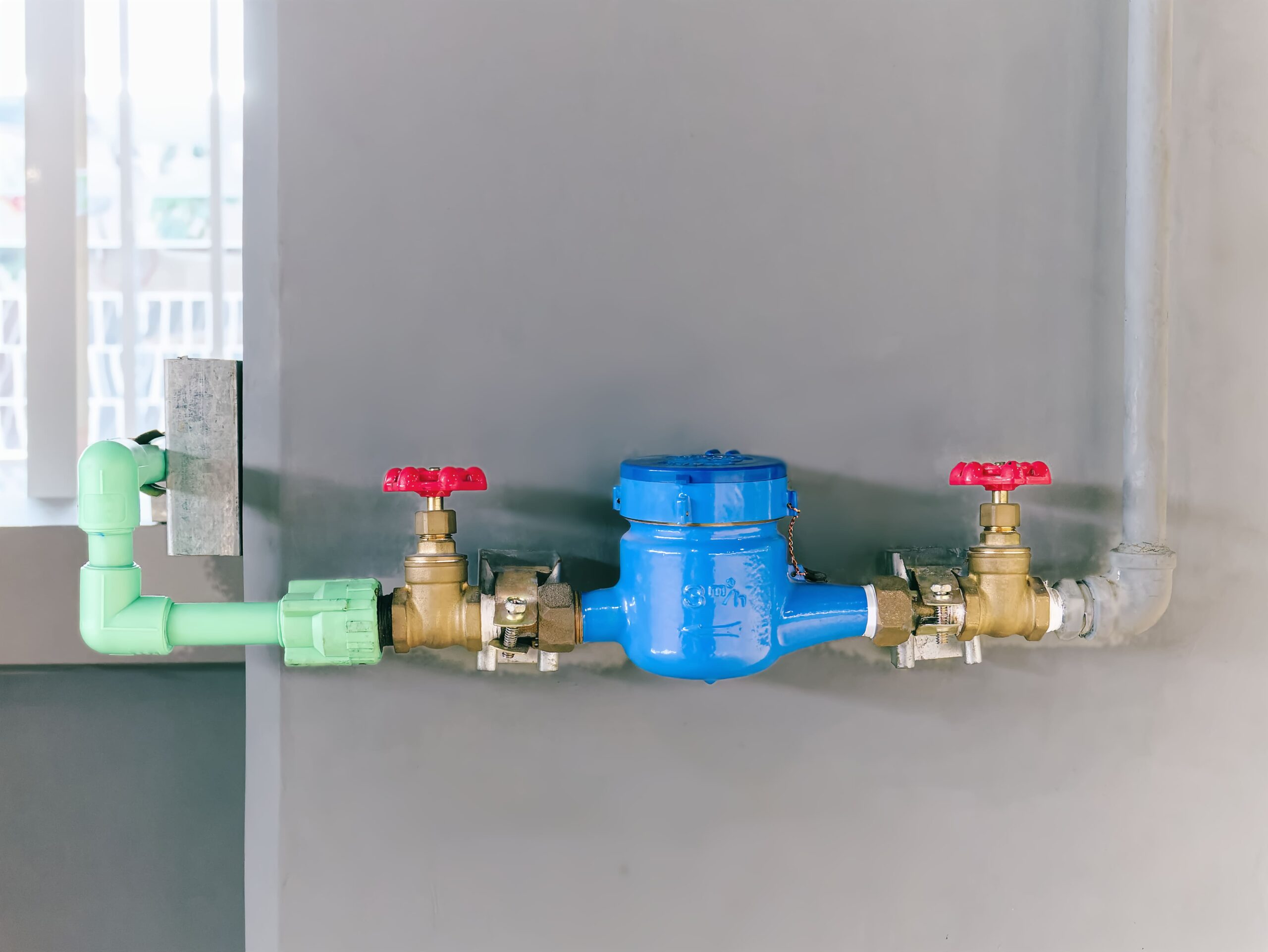
Many homeowners assume backflow prevention only applies to commercial buildings, but that's not always the case. While most standard standalone homes fall into the low hazard category, certain plumbing features can increase the risk of contamination and require additional backflow protection.
Your property may require a higher level of protection if it includes:
These installations can create what's known as a cross connection, where drinking water has the potential to mix with non-potable water under certain conditions.
Not sure whether your home needs a backflow assessment? Ask yourself the following:
If you answered yes to any of these questions, it's worth having your property assessed by a licenced, backflow-accredited plumber. A professional hazard assessment can confirm whether your current level of protection is still appropriate or if your property now requires a different backflow prevention device.
Even with annual testing, backflow devices can develop faults between inspections. If you notice any of the following, it's time to book a professional inspection:
Addressing these warning signs early can help protect your drinking water, avoid compliance issues and prevent more costly repairs.
Backflow prevention is a plumbing systems that's easy to overlook, until you receive a compliance notice or something has gone wrong. Taking a proactive approach helps protect your water supply, avoids unnecessary penalties and gives you confidence that your plumbing is operating safely.
Whether you're installing a rainwater tank, upgrading your irrigation system or simply due for your annual backflow test, having the right advice makes all the difference. A licenced, backflow-accredited plumber can assess your property's risk, recommend the appropriate device and ensure everything is tested, certified and lodged correctly.
Need help with backflow prevention? Contact the team at Plumberoo for expert assessments, installations, testing and compliance services across Sydney. We're here to help you keep your property protected and fully compliant.
No. Most standard freestanding homes sit in the low hazard bracket and don't need a testable device. Features like a rainwater tank plumbed into the mains, a pool auto-fill line, or an irrigation system connected to your water supply can push a property into a higher hazard category that does require one.
Medium and high hazard devices need testing when they're installed and every 12 months after that, carried out by a licenced plumber with backflow accreditation. Low hazard, non-testable devices don't need annual testing, but they still need to match your property's hazard rating.
The property owner. It doesn't matter whether a tenant or a contractor is using the property day to day. The legal obligation to install, maintain and test the correct backflow device sits with the owner.
No. Only a licenced plumber can install a backflow device, and only one with backflow accreditation can assess your hazard rating or test and certify the device once it's installed. DIY work won't be accepted by Sydney Water or your council, whatever the intention behind it.
It has to be repaired or replaced before a compliance certificate can be issued. Leaving a failed device in place, or continuing to use the property without addressing it, leaves you non-compliant and exposed to fines or a restricted water supply.
Book an assessment with a licenced backflow plumber. Without one, Sydney Water defaults to treating your property as high hazard, which usually means a more expensive device than you might actually need.
No one wants to be caught without hot water, but when it's time to replace your system you need to know how much to budget for. The cost of installing a new hot water system in Australia varies widely depending on the type of system you choose, its size, and the complexity of the installation.
While some systems (like electric hot water heaters) are the most affordable to install upfront other options (like heat pumps) can offer significant long-term energy savings. In many cases, government rebates can also help reduce the initial investment too. The right choice ultimately comes down to your budget, household size, energy usage and long-term running costs.
In this guide, we'll break down hot water system installation costs by system type, explain the factors that influence pricing, outline what's typically included in a professional installation quote, and explore available rebates to help you make an informed decision before replacing or upgrading your hot water system.
If you've started comparing hot water system quotes, you've probably noticed the prices can vary dramatically. That's because every installation is different, and several factors determine what you'll actually pay.
The type of hot water system you choose will have one of the biggest impacts on the overall cost. Electric storage systems are usually the most budget-friendly option upfront, while gas continuous flow, heat pump and solar systems typically come with a higher initial price tag.
That said, a higher upfront cost doesn't always mean a more expensive system long term. Energy-efficient options like heat pumps and solar systems can help reduce ongoing energy bills and may also qualify for government rebates.
The right hot water system size depends on how many people live in your home and how much hot water you use each day. A larger family may need a bigger storage tank or a higher-capacity continuous flow system, which can increase the purchase and installation cost.
Choosing the right size is important. A system that's too small may leave you running out of hot water, while one that's too large could mean you're paying more than necessary.
Some installations are straightforward, while others require additional work before your new system can be connected. Replacing an old unit with a similar model in the same location is usually the simplest and most affordable option.
However, costs can increase if you're changing system types or relocating the unit. For example, switching from electric to gas may require a new gas line, while installing a heat pump may require additional space, drainage or a suitable outdoor base.
Additional work may include:
💡The more changes required, the more time and materials are involved.
Your home's current setup can make a big difference to installation costs. Newer homes may already have the necessary connections in place, while older properties may need upgrades to bring the system up to current safety and compliance standards.
Depending on your installation, this may include adding components such as tempering valves, pressure limiting valves or isolation valves to ensure your system operates safely and meets Australian requirements.
Professional installation involves more than simply connecting a new unit. Your plumber needs to assess your home, complete the installation safely and ensure everything is working correctly.
Labour costs will depend on the complexity of the job, how long the installation takes and whether additional licensed trades, such as electricians or gas fitters, are needed. Emergency or after-hours replacements may also come with additional fees.
The easier your hot water system is to reach, the quicker and more straightforward the installation is likely to be. Difficult access areas, such as tight cupboards, apartment buildings, roof spaces or properties with long pipe runs, can add extra time and labour to the job.
When replacing an existing hot water system, your old unit will usually need to be disconnected, removed and disposed of properly. Many plumbers include this in their installation quote, but it's always worth confirming before booking. Larger storage tanks or older systems may involve additional disposal costs depending on the requirements.
Choosing an energy-efficient hot water system could help reduce your upfront costs through available government rebates and incentives. Heat pumps and solar hot water systems, in particular, may be eligible for financial support depending on your location and the current programs available.
Before choosing your new system, it's worth checking what rebates you may qualify for or asking your plumber if they can help guide you through the process.
The type of hot water system you choose will have the biggest impact on both your upfront installation cost and your long-term running expenses. While electric systems are generally the most affordable to install, investing more upfront in a heat pump or solar system can significantly reduce your energy bills over time.
| Hot Water System | Typical Installed Cost | Running Costs | Best Suited For | Key Considerations |
| Electric Storage | $1,000–$3,000 | High | Apartments, smaller households and like-for-like replacements | The most affordable system to buy and install, making it a popular choice for budget-conscious households. It's also one of the quickest and easiest systems to replace. However, because it continuously heats and stores water, it typically has the highest running costs over time. |
| Gas Storage | $2,000–$3,000 | Medium | Homes with an existing natural gas connection | A cost-effective option if your home already has gas connected. Gas storage systems generally cost less to run than electric storage systems while providing a reliable supply of hot water. |
| Gas Continuous Flow | $1,500–$5,500 | Medium-Low | Larger households, high hot water demand and homes with limited space | Heats water only when you need it, eliminating the energy losses associated with storing hot water. Ideal for busy households, but installation costs can increase if new gas lines or upgrades are required. |
| Heat Pump | $2,500–$8,500 | Low | Energy-conscious households looking to reduce electricity bills | One of the most energy-efficient hot water systems available, using heat from the surrounding air instead of generating it directly. While the upfront cost is higher, lower running costs and available government rebates can make it an excellent long-term investment. |
| Solar Hot Water | $4,500–$8,000+ | Very Low | Homes with good roof access seeking maximum long-term savings | The highest upfront investment, but also the lowest ongoing running costs. Solar collectors provide most of your hot water, while an electric or gas booster ensures reliable performance during cloudy weather. Government rebates may help offset the initial installation cost. |
Not sure which system suits your household? Book a free site assessment and Plumberoo will size and quote your installation. Call (02) 9191 8787.
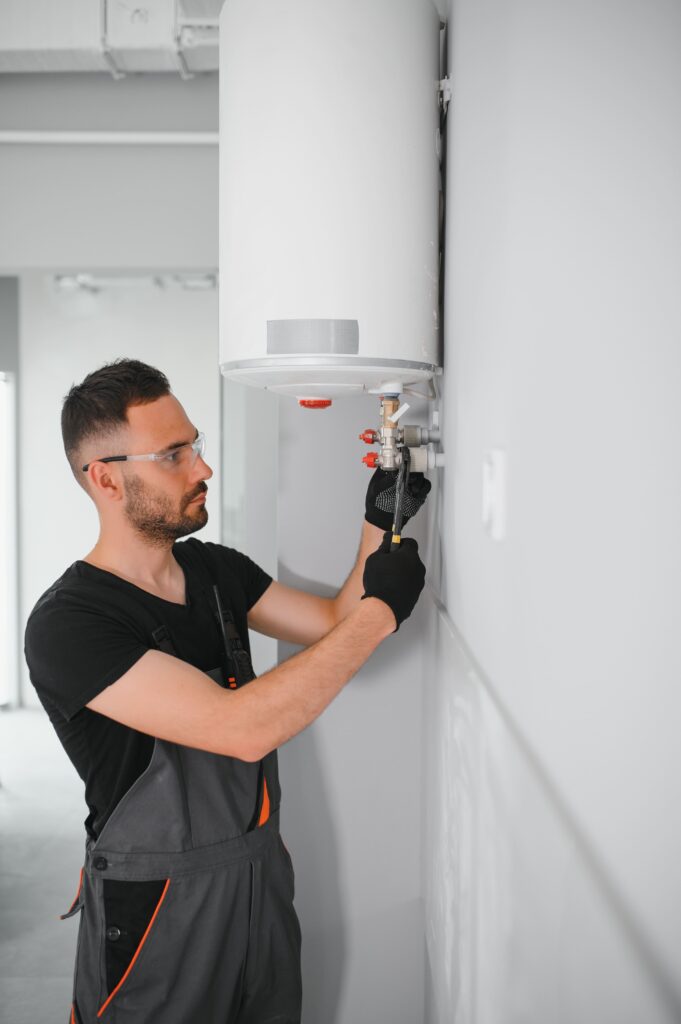
If you're installing an energy-efficient hot water system, such as a heat pump or solar hot water system, you may be eligible for government rebates that can reduce the upfront installation cost. In many cases, eligible NSW households can access both federal and state incentives, making these premium systems much more affordable than their initial price suggests.
The Australian Government's Small-scale Renewable Energy Scheme (SRES) provides financial incentives for eligible heat pump and solar hot water systems through Small-scale Technology Certificates (STCs).
Rather than applying for the rebate yourself, the value of these certificates is usually applied by your installer as an upfront discount on your quote, reducing the amount you pay before installation.
The number of STCs available depends on factors such as:
In addition to the federal STC scheme, eligible NSW households may also qualify for discounts through the NSW Energy Savings Scheme (ESS) when upgrading to a more energy-efficient hot water system.
| Upgrade | Potential Rebate |
| Replace an electric water heater with a heat pump | Up to $640 |
| Replace a gas water heater with a heat pump | Up to $330 |
| Replace an electric water heater with a solar hot water system (electric booster) | Up to $900 |
| Replace a gas water heater with a solar hot water system (gas booster) | Up to $550 |
Rebate amounts are indicative only and can vary depending on your postcode, the installer you choose and the eligible system installed.
Read our complete Heat Pump Hot Water Systems guide to learn how they work, how much they cost, what rebates you could be eligible for and whether they're the right choice for your home.
When your hot water system starts playing up, the biggest question is whether it's worth repairing or if it's time for a replacement. The answer depends on the age of your system, the type of fault and how much the repair is likely to cost.
A hot water system repair is often the most cost-effective solution if your hot water system is relatively new and the problem is isolated to a replaceable component.
In many cases, it's worth repairing your system if:
A professional plumber can quickly diagnose the fault and advise whether a repair is likely to restore reliable performance.
If your hot water system is nearing the end of its lifespan or repairs are becoming more frequent, replacement is often the smarter financial decision.
You should consider replacing your system if:
Installing a new, energy-efficient system may cost more upfront, but it can improve reliability, reduce running costs and provide greater peace of mind for years to come.
Read More: Burst Hot Water System? Here's What To Do
Whether you're repairing or replacing your system, choosing the right size is just as important as choosing the right type. A system that's too small can leave your household without enough hot water during busy periods, while an oversized system may use more energy than necessary by heating water you don't need.
| Household Size | Recommended System |
| 1–2 people | Small storage tank or compact continuous flow system |
| 3–4 people | Medium-capacity storage system or continuous flow unit |
| 5+ people | Large storage tank or high-capacity continuous flow system designed for multiple simultaneous users |
Not Sure What Size Hot Water System You Need? Read our Hot Water System Sizes guide to find the right capacity for your household and avoid paying for more hot water than you need.
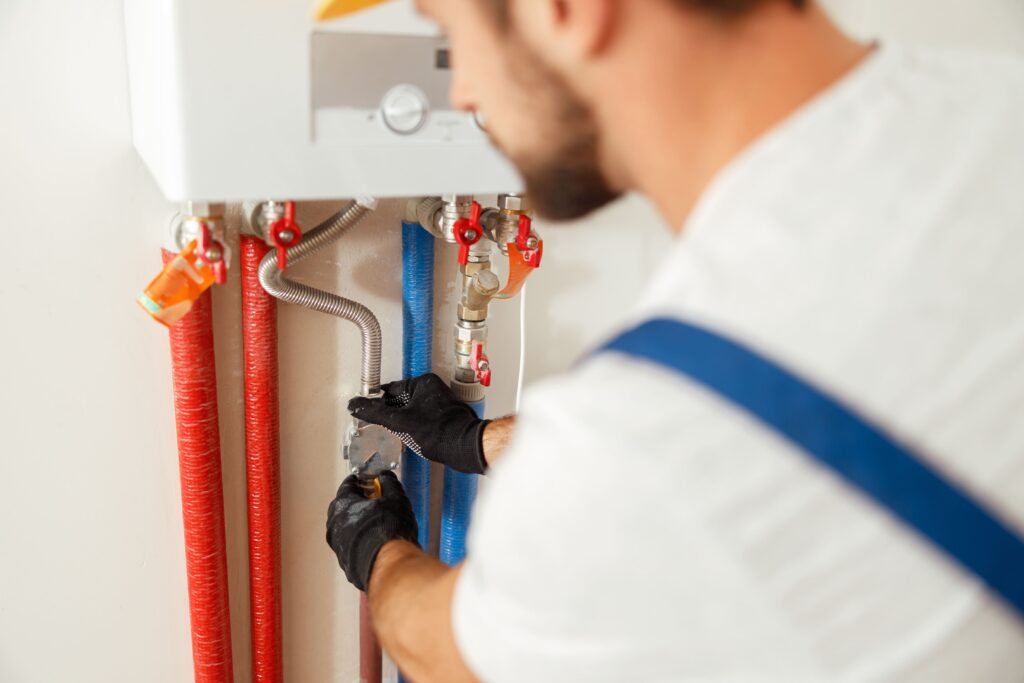
Not all installation quotes are created equal. While it can be tempting to choose the cheapest option, a lower price doesn't always mean better value. A comprehensive installation quote should cover everything required to safely install your new hot water system and ensure it complies with Australian standards.
| Standard Inclusions | Items That Can Add To The Quote |
| Supply and delivery of the new unit | New gas line where none exists |
| Removal and compliant disposal of the old system | Roof penetrations for solar collectors |
| Connection to existing plumbing, gas or electrical | Extended pipework for a relocated unit |
| Tempering and isolation valves where required | Drainage connection for heat pump condensate |
| Compliance certificate and commissioning | Electrical or gas capacity upgrades |
Some installation components aren't optional, but are required by law. For example, if your existing system doesn't meet current plumbing regulations, your installer may need to fit items such as a tempering valve, isolation valves or other safety devices to ensure the installation complies with Australian Standards. While these additions may increase the upfront cost, they're essential for the safe operation of your hot water system and help protect your manufacturer's warranty.
When comparing installation quotes, look beyond the total price. A detailed quote should clearly outline:
A transparent, itemised quote makes it much easier to compare installers and gives you confidence that there won't be any unexpected costs once the installation is underway.
The cheapest hot water system isn't always the most cost-effective, and the most expensive isn't always the best fit. The right choice comes down to balancing your upfront budget with your household's hot water needs, energy efficiency goals and long-term running costs.
Whether you're replacing a failed system or planning an upgrade, understanding what's included in the installation cost, and comparing complete, like-for-like quotes, will help you avoid unexpected expenses and choose a system that delivers reliable performance for years to come.
If you're ready to install a new hot water system, our Plumberoo plumbers can recommend the best option for your home, explain any available rebates and provide a transparent quote with no hidden surprises. A little expert advice now can help you save money and enjoy dependable hot water well into the future.
When something goes wrong with your drains, the real problem is usually out of sight, and that’s exactly what makes it so frustrating to diagnose.
That’s where CCTV drain camera inspections come in. Instead of relying on guesswork or invasive digging, this method allows a licenced plumber to see directly inside your pipes and identify the cause of the problem in real time. It’s a precise, non-invasive way to diagnose issues at the source and avoid unnecessary repairs or disruption. For homeowners dealing with recurring blockages, unpleasant odours, or slow-draining fixtures, an inspection is often the quickest way to get clarity on what’s happening beneath the surface.
In this article, we’ll explore what CCTV drain inspections can uncover, when they’re the right solution, and what typically happens once the issue has been identified.
A CCTV drain camera is a waterproof HD camera mounted on a flexible cable (push-rod system) or, for larger commercial pipelines, a self-propelled crawler unit. The plumber feeds it into your drainage system through an existing cleanout or access point.
As it travels through the pipe, it transmits a live, real-time image to a monitor above ground. The plumber watches the footage as it happens and can locate the camera's exact depth and position from the surface using a locator device.
✅ Because the camera is fed in through an access point that already exists, there is no need to dig up your lawn, driveway, or garden to carry out the inspection. The process is non-invasive by design.
Most residential sewer and stormwater inspections use push-rod cameras with built-in lighting that handles standard pipe sizes (50mm to 225mm). Larger commercial or civil drainage systems may use remotely operated crawler cameras for pipes too wide for a push rod to traverse effectively.
The footage is recorded throughout, and the plumber uses it to produce a condition report that documents what was found, where it sits inside the pipe (depth and distance from the access point), and what your repair options are.
Anything visible inside the pipe that a standard building inspection would never detect. In practice, the most common findings fall into four categories.
Tree roots are the leading cause of recurring blocked drains in Sydney, particularly in older suburbs with established trees and ageing clay or concrete pipes. Roots follow moisture and can work their way through hairline cracks or loose pipe joints. Once inside, they grow and branch out, catching debris with every flush. The camera shows exactly where the roots have entered, how far they extend, and how dense the intrusion is. That information tells the plumber whether root cutting and hydro-jetting will solve it, or whether the pipe itself needs relining.
Older terracotta and concrete pipes are brittle. Ground movement, soil pressure, vehicle loading, or decades of root intrusion can cause them to crack, fracture, or fully collapse. You will not see any of this from the surface, and a simple drain-clearing job will not fix it. The camera makes it visible. A clear image of a cracked pipe also tells the plumber exactly how much of the run is affected, which determines whether a sectional relining job or a full pipe replacement is the more practical and cost-effective option.
In kitchen drain lines and commercial grease traps, accumulated fat, oil, grease, and food particles narrow the internal bore of the pipe over time. The camera captures this build-up as a visible restriction on the live feed.
Foreign objects (wet wipes, sanitary products, broken pipe fragments, and, more often than you would think, children's toys) also show up clearly. Misaligned joints and bellied pipe sections (where a pipe sags and allows water to pool rather than drain away) are also identified at this stage.
CCTV drain cameras give a clear picture of the pipe's interior condition, but they are a visual diagnostic tool, not a pressure or leak detection device. Very minor seeping behind a pipe wall that has not yet caused internal damage may not be visible on the footage. Completely collapsed or fully blocked sections can also restrict camera travel, which means the inspection may only capture part of the run. Your plumber will flag this where it applies.
A drain cleaning service (hydro-jetting, electric eel, or a manual snake) clears a blockage. A CCTV drain inspection identifies what caused it.
Both are often used together.
Clearing a blockage without knowing why it occurred is a short-term fix. If the cause is a fractured pipe, misaligned joint, or established root network, the blockage will return. The inspection gives you the diagnosis so that the repair addresses the actual problem, not just the symptom.
Many plumbers use the camera before and after a clearing job. The pre-clearing footage shows the cause. The post-clearing footage confirms the pipe is fully clean and the cause has been addressed. If the camera reveals structural damage after clearing, the plumber can quote for relining or repair on the same visit.
Not every blocked drain needs a camera inspection. A first-time kitchen sink blockage from grease build-up usually responds to a hydro-jet clean without any further investigation. But there are six situations where booking a CCTV inspection is the right call.
A standard residential CCTV drain inspection typically takes between 30 and 60 minutes, depending on the length of the drainage system and whether multiple access points need to be assessed.
Here’s what the process usually looks like:
The cost of a CCTV drain camera inspection can vary depending on the property and the complexity of the drainage system. In most cases, pricing is influenced by how accessible the pipes are, how extensive the inspection needs to be, and whether additional work is required to properly assess the issue.
If the drainage system has a clear, easily accessible entry point, the inspection is typically quicker and more straightforward. However, where access needs to be created or located, or where multiple sections of pipe need to be inspected, the cost will generally be higher. Larger or more complex systems, such as those in commercial or multi-dwelling properties, may also require additional time and equipment.
In some cases, a CCTV inspection is carried out alongside a blocked drain service to confirm that the issue has been fully resolved. When this happens, the inspection may be included in the overall service or offered at a reduced rate.
💡Because every situation is different, many plumbing providers will assess the issue first and provide a clear, upfront quote before any work begins.
Not every inspection uncovers a problem. If the camera comes back with a clean result, you have peace of mind and a baseline footage record that is useful for future maintenance planning or insurance documentation. That is a good outcome.
If the inspection does find something, repair options fall into three broad categories depending on what the footage shows.
Recommended Read: Is Pipe Relining Worth It?
Recommended Read: The Average Cost of a Pipe Replacement
If your inspection comes back clean, a few basic habits go a long way toward keeping it that way.
Older Sydney properties with original clay or terracotta pipes benefit from a proactive inspection as part of their regular maintenance schedule. The footage from each inspection gives you a documented baseline, making it easier to track how the pipes are ageing over time and plan repairs before they become emergencies.
When drainage issues are hidden underground, it’s easy to rely on guesswork, but and that often leads to unnecessary costs, repeated problems, or temporary fixes that don’t last. CCTV drain inspections remove that uncertainty by showing exactly what’s happening inside your pipes, so decisions can be made with confidence.
Whether you’re dealing with ongoing blockages, planning preventative maintenance, or simply want peace of mind about the condition of your drainage system, an inspection provides clear, actionable insight without the disruption of excavation.
If your drains are blocking repeatedly, you are buying a property, or you just want to know what is going on inside your pipes, Plumberoo can arrange a CCTV drain camera inspection across greater Sydney. Call us on (02) 9191 8787 or book online.
Most residential CCTV drain inspections take between 30 and 60 minutes. The duration depends on the length of the drainage run, how accessible the cleanout is, and whether multiple sections of pipe need to be inspected. Larger commercial or strata properties with more complex drainage systems will take longer. Plumberoo aims to complete the inspection and provide a verbal summary of findings on the same visit.
Yes. Push-rod CCTV cameras are mounted on a flexible cable designed to navigate standard bends and junctions in residential drainage systems. The camera is not a rigid device. That said, extremely tight bends, collapsed sections, or pipes that are fully blocked with debris can restrict how far the camera travels. Your plumber will advise if any part of the run could not be inspected.
No. A CCTV drain inspection is non-invasive. The camera is inserted through an existing access point or cleanout, so your lawn, garden, and driveway stay untouched throughout. Excavation only becomes necessary if the inspection finds structural damage that cannot be repaired through relining, and even then the camera footage means any digging is targeted to the exact location of the problem.
In most cases, yes. A standard building and pest inspection does not cover the underground drainage system. Cracked sewer lines, established root intrusion, and collapsed pipes are common in older Sydney suburbs and can cost several thousand dollars to repair after settlement. A CCTV inspection before you exchange contracts gives you a clear picture of the pipe condition. If damage is found, you can negotiate on price or request repairs as a condition of sale.
In many cases, yes. If the inspection reveals a blockage or root intrusion that can be cleared with hydro-jetting, this can often be completed during the same visit. For repairs that require relining or excavation, the inspection provides the information needed to book a separate repair job, usually within a short turnaround. Call (02) 9191 8787 to discuss your situation and confirm availability.
For properties with older clay or terracotta pipes, or with large established trees near the sewer line, an inspection every two to three years is a reasonable maintenance interval. This catches root regrowth before it causes a full blockage and allows any developing cracks to be addressed with pipe relining rather than emergency excavation. Properties with known drainage history or previous tree root problems may benefit from annual checks.
Hot water is an essential in homes across Australia. But rising cost of living pressures and increasing energy prices have made it harder for many households to ignore just how much it costs to run older systems.
For many homes, traditional electric and gas hot water units are no longer the most efficient or cost-effective option, especially as daily usage continues to add up on already stretched household budgets.
As a result, more Australians are starting to look for smarter, more energy-efficient alternatives, like heat pump hot water systems, that can significantly reduce running costs while still delivering reliable hot water year-round.
But what is a heat pump hot water system, and is the switch worth it?
This guide walks through exactly how this system works, what you can expect to pay in Sydney in 2026, which rebates apply to NSW households, and how to decide whether a heat pump system is the right choice for your home.
A heat pump hot water system works by extracting heat from the surrounding air and using it to warm water stored in a tank. Unlike traditional systems, it doesn’t generate heat by burning gas or using an electric element. Instead, it moves existing heat energy from the air into the water, which is why it’s so efficient, typically delivering around 3 to 4 units of heat energy for every 1 unit of electricity used.
Because it’s not “making” heat from scratch, it can produce much more heat energy than the electricity it consumes.
💡So when it delivers 3 to 4 units of heat for every 1 unit of electricity, it means:
You use 1 unit of electricity to run the compressor and fanBut that energy is used to extract and move existing heat from the airThe end result is 3–4 units of usable heat energy in your hot water In simple terms, it’s using a small amount of electricity to “collect” heat from the air and concentrate it into your water, rather than generating all the heat yourself.
In Australia, heat pump systems generally come in two main configurations.
Before rebates, a quality heat pump hot water system installed in a Sydney home typically costs between $3,000 and $6,000 all up, depending on the brand, tank capacity, and the complexity of your installation.
Once government incentives such as the federal Small-scale Technology Certificate (STC) discount is applied, the national average installed price sits around $4,800 in NSW.
The unit itself generally represents the largest portion of the investment, with pricing varying based on tank size (commonly ranging from small to large household capacities) and overall efficiency ratings. Higher-end models with improved performance or quieter operation will sit at the upper end of the range.
Installation costs are influenced by the complexity of the job. A straightforward replacement where an old system is being swapped out will generally be more affordable, while additional plumbing adjustments, electrical work, or repositioning of the system can increase the total cost.
In some cases, minor electrical upgrades may also be required to ensure the system runs safely and efficiently, which can add to the overall installation price depending on the condition of the existing setup.
Heat pump systems stand out for their low running costs. By using ambient air instead of generating heat directly from electricity, they consume significantly less energy over time, leading to noticeable annual savings compared to traditional electric storage systems, especially in larger households.
They are also often more cost-effective than gas continuous flow systems over the long term, particularly as energy efficiency improves and usage habits become more mindful.
For homes with solar, savings can increase further by running the system during peak sunlight hours, allowing hot water to be powered largely by self-generated energy and reducing reliance on the grid.
While the upfront cost is higher than that of some traditional systems, the payback period is typically reasonable due to the ongoing energy savings. Homes replacing older electric storage systems tend to see the fastest return on investment, while households switching from modern gas systems still benefit over time, particularly across a 10-year lifespan.

NSW homeowners can access two separate rebate programs when installing an eligible heat pump hot water system. They can be stacked, meaning you receive both.
STCs are a federal government discount that helps reduce the upfront cost of installing a heat pump hot water system in Australia. Instead of you applying for a rebate later, the discount is included directly in your installation quote.
When you install an eligible system, it is awarded a number of certificates based on how much energy it is expected to save over its lifetime. Your installer sells these certificates through an approved system and passes the value back to you as an upfront discount.
In most NSW installations, this typically reduces the cost by around $800 to $1,200, depending on the system size and efficiency.
On top of the federal discount, NSW households may also be eligible for an additional saving through the Energy Savings Scheme. This is another upfront discount applied by an accredited installer at the time of installation.
The value depends on what system you are replacing:
To access this discount, your installer must be accredited under the NSW scheme. If they are not, you won’t receive the state incentive, even if you still qualify for the federal STC discount.
💡Total Estimated Savings (NSW, 2026)
When combined, these incentives can reduce the upfront cost by approximately $1,000 to $2,000, depending on your system and eligibility.
The process is simpler than most people expect. Choose an installer who holds both CEC accreditation (for STCs) and NSW ESS accreditation. Get a quote, confirm the rebates are reflected in the quoted price, sign a nomination form the installer provides, and proceed with the installation. Both discounts are applied before you pay. There is no rebate claim to lodge after the fact.
For most Sydney households, replacing an ageing electric storage system with a heat pump is the most financially sensible upgrade available right now. The combination of low running costs, government rebates, and a 10 to 15-year lifespan makes the numbers work for the majority of detached homes.
But there are some scenarios where a heat pump is not the best fit.
Apartments and townhouses with limited outdoor space or strict strata rules on external units
If you are unsure whether your property suits a heat pump installation, a licensed plumber can assess the site and recommend the right configuration before you commit to anything.
Choosing a hot water system always comes down to your property, your budget, and how you use hot water. Here is how heat pump systems compare to the main alternatives.
| System | Upfront Cost (Before Rebates) | Running Cost (Per Year) | Rebates Available | Best For |
| Heat Pump | $3,000 – $6,000 | $150 – $300 | Yes (STCs + state incentives) | Most Sydney homes are replacing electric storage |
| Electric Storage | $750 – $2,000 | $600 – $900 | No | Rental properties or very low hot water use |
| Gas Continuous Flow | $1,500 – $3,500 | $300 – $550 | No hot water rebates | Homes with access to cheaper gas tariffs |
| Solar Hot Water | $3,000 – $7,000 | $100 – $250 | Yes (STCs) | Homes with strong north-facing roof space and high usage |
Solar hot water and heat pump systems are both highly efficient and benefit from government incentives. The main difference is installation practicality: solar hot water relies on suitable roof space with good sun exposure, while heat pumps require only an outdoor ground-level area.
What to know more? Read Best Hot Water System
Selecting a heat pump hot water system comes down to two key decisions: choosing the right size for your household and making sure your installer is properly qualified to handle the job—and the rebates that come with it.
Getting the right tank size is essential for ensuring you have enough hot water without wasting energy on an oversized system.
As a general guide:
Your installer will assess your household’s water usage patterns, number of bathrooms, and peak usage times before recommending a system size. This ensures the unit is efficient without running out of hot water during busy periods.
Not all heat pump systems are created equal. When comparing brands, it’s important to look beyond price and consider:
A quality system may cost more upfront, but often delivers better performance, lower running costs, and longer lifespan.
Choosing the right installer is just as important as choosing the system itself—particularly when rebates are involved. Make sure your installer has:
These qualifications ensure your installation is compliant, eligible for rebates, and completed to a professional standard.
Plumberoo is a licenced Sydney plumbing business (NSW Licence No. 289252C) that supplies, installs, and services heat pump hot water systems across Sydney. The team assesses your property, confirms all available rebates, and provides a fixed-price quote with incentives already applied.
Heat pump hot water systems are quickly becoming one of the most practical and cost-effective options for Australian households looking to reduce energy use without sacrificing reliability. By extracting heat from the air rather than generating it directly, they offer a smarter way to heat water, one that can significantly lower running costs over time.
With government rebates available in NSW and across Australia, the upfront investment is more accessible than many homeowners expect, making the switch from older electric or gas systems a realistic upgrade rather than a major financial leap.
Ultimately, the right system depends on your household size, daily hot water usage, and installation setup. But for many Sydney homes, a heat pump offers the ideal balance of efficiency, affordability, and long-term savings.
If you’re considering making the switch, get in touch with the team at Plumberoo today!
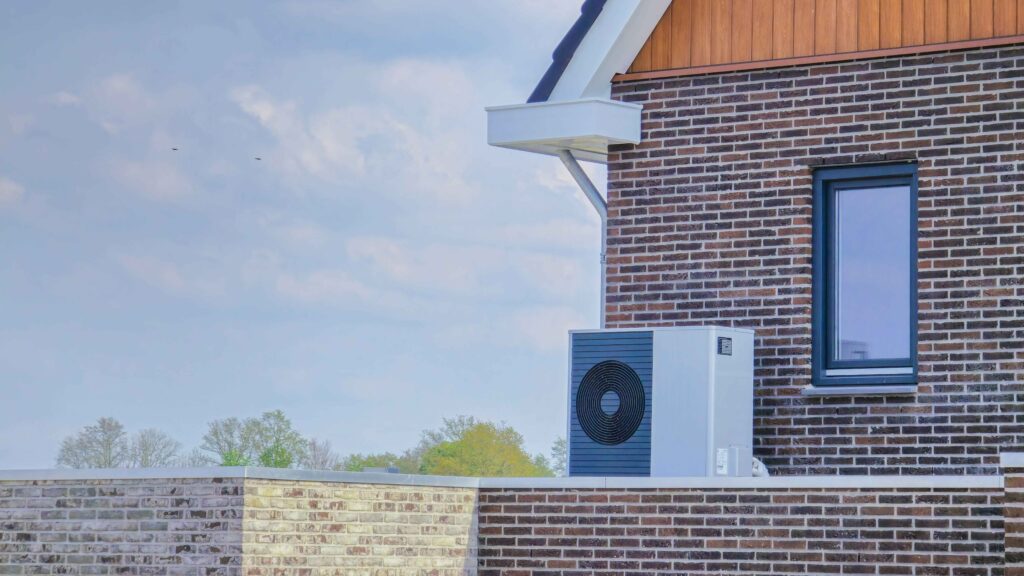
It works like a reverse refrigerator. A fan draws air across an evaporator coil containing refrigerant. The refrigerant absorbs heat from the air and evaporates, then a compressor raises its temperature further, and the heat is transferred to cold water in the storage tank via a heat exchanger. The refrigerant condenses and the cycle repeats. Because the system moves heat rather than generating it, it delivers roughly 3 to 4 units of heat energy for every 1 unit of electricity used.
NSW households can access two programs. The federal Small-scale Technology Certificate (STC) scheme applies a $800 to $1,200 discount at the point of installation on all eligible heat pumps across Australia. On top of that, the NSW Energy Savings Scheme provides a further $200 to $600 off, depending on the system you are replacing. Both discounts appear as upfront reductions in your installer's quote; there is no paperwork for you to submit. Your installer must be accredited under both schemes to pass on both savings.
Expect to pay $3,000 to $6,000 fully installed before rebates, depending on brand, tank capacity, and site complexity. After the federal STC discount ($800 to $1,200), the typical out-of-pocket cost in NSW sits around $4,800. If your installer also holds NSW ESS accreditation, a further $200 to $600 discount applies, bringing the realistic range to $3,000 to $4,600 for most households. Request a fixed-price quote from a licensed plumber after a site assessment.
For most Sydney households replacing an ageing electric storage system, yes. The combination of lower running costs ($150 to $300 per year vs $600 to $900 for electric storage), government rebates, and a 10-to-15-year lifespan means most installations pay back the cost difference within 3 to 6 years. Sydney's mild climate means the heat pump operates at high efficiency year-round, and if you have solar panels, you can set the system to heat during peak generation hours to cut running costs further.
Modern heat pump systems are designed to operate in ambient temperatures as low as -5 to -10 degrees Celsius, well below Sydney's coldest winter overnight temperatures (which rarely drop below 5 to 8 degrees). In very cold climates like the Southern Highlands or alpine areas, performance does drop at low temperatures, and some models include an electric boost element as a backup. For most coastal and metropolitan Sydney locations, cold weather is not a practical concern.
Yes, and the combination is one of the most effective ways to reduce energy bills in an Australian home. Configure the heat pump to run during your peak solar generation window (typically 9am to 3pm) using a timer or smart controller, and most of your hot water will be heated by excess solar power that would otherwise be exported to the grid for a minimal feed-in tariff. A licensed plumber can help set up the correct timer configuration during installation.
Plumberoo handles emergency hot water replacements across Sydney and can generally supply and install a replacement system the same day or next business day. If the rebate paperwork needs to be completed before installation begins (as required under the NSW ESS), the team will walk you through that process quickly so there is no unnecessary delay. Call (02) 9191 8787 to discuss availability and get a same-day quote.
Both are energy-efficient and both qualify for federal STC rebates, but they work differently. A solar hot water system uses roof-mounted collectors to capture heat from sunlight directly, requiring a north-facing, unshaded roof space. A heat pump does not need roof access at all; it draws heat from the surrounding air and needs outdoor ground-level space instead. For Sydney homes with limited roof space or significant shading, a heat pump is often the more practical choice. Running costs are similar, though solar systems can be slightly cheaper in areas with high solar irradiance.