
Open 24/7! Servicing all of Sydney’s Eastern Suburbs
Our Average Response time is: 1hr 53min 47sec
Hot water is an essential in homes across Australia. But rising cost of living pressures and increasing energy prices have made it harder for many households to ignore just how much it costs to run older systems.
For many homes, traditional electric and gas hot water units are no longer the most efficient or cost-effective option, especially as daily usage continues to add up on already stretched household budgets.
As a result, more Australians are starting to look for smarter, more energy-efficient alternatives, like heat pump hot water systems, that can significantly reduce running costs while still delivering reliable hot water year-round.
But what is a heat pump hot water system, and is the switch worth it?
This guide walks through exactly how this system works, what you can expect to pay in Sydney in 2026, which rebates apply to NSW households, and how to decide whether a heat pump system is the right choice for your home.
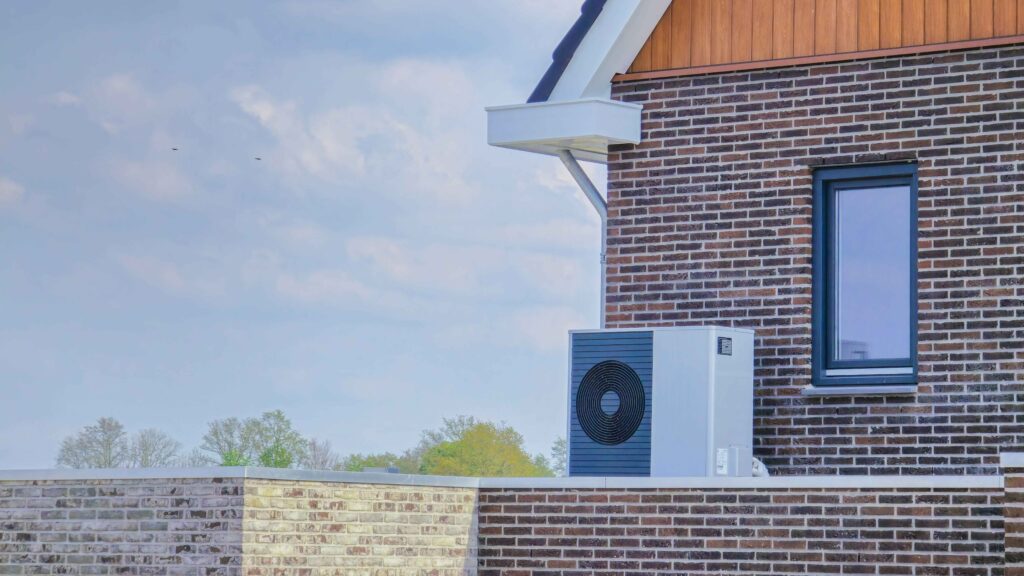
A heat pump hot water system works by extracting heat from the surrounding air and using it to warm water stored in a tank. Unlike traditional systems, it doesn’t generate heat by burning gas or using an electric element. Instead, it moves existing heat energy from the air into the water, which is why it’s so efficient, typically delivering around 3 to 4 units of heat energy for every 1 unit of electricity used.
Because it’s not “making” heat from scratch, it can produce much more heat energy than the electricity it consumes.
💡So when it delivers 3 to 4 units of heat for every 1 unit of electricity, it means:
You use 1 unit of electricity to run the compressor and fanBut that energy is used to extract and move existing heat from the airThe end result is 3–4 units of usable heat energy in your hot water In simple terms, it’s using a small amount of electricity to “collect” heat from the air and concentrate it into your water, rather than generating all the heat yourself.
In Australia, heat pump systems generally come in two main configurations.
Before rebates, a quality heat pump hot water system installed in a Sydney home typically costs between $3,000 and $6,000 all up, depending on the brand, tank capacity, and the complexity of your installation.
Once government incentives such as the federal Small-scale Technology Certificate (STC) discount is applied, the national average installed price sits around $4,800 in NSW.
The unit itself generally represents the largest portion of the investment, with pricing varying based on tank size (commonly ranging from small to large household capacities) and overall efficiency ratings. Higher-end models with improved performance or quieter operation will sit at the upper end of the range.
Installation costs are influenced by the complexity of the job. A straightforward replacement where an old system is being swapped out will generally be more affordable, while additional plumbing adjustments, electrical work, or repositioning of the system can increase the total cost.
In some cases, minor electrical upgrades may also be required to ensure the system runs safely and efficiently, which can add to the overall installation price depending on the condition of the existing setup.
Heat pump systems stand out for their low running costs. By using ambient air instead of generating heat directly from electricity, they consume significantly less energy over time, leading to noticeable annual savings compared to traditional electric storage systems, especially in larger households.
They are also often more cost-effective than gas continuous flow systems over the long term, particularly as energy efficiency improves and usage habits become more mindful.
For homes with solar, savings can increase further by running the system during peak sunlight hours, allowing hot water to be powered largely by self-generated energy and reducing reliance on the grid.
While the upfront cost is higher than that of some traditional systems, the payback period is typically reasonable due to the ongoing energy savings. Homes replacing older electric storage systems tend to see the fastest return on investment, while households switching from modern gas systems still benefit over time, particularly across a 10-year lifespan.

NSW homeowners can access two separate rebate programs when installing an eligible heat pump hot water system. They can be stacked, meaning you receive both.
STCs are a federal government discount that helps reduce the upfront cost of installing a heat pump hot water system in Australia. Instead of you applying for a rebate later, the discount is included directly in your installation quote.
When you install an eligible system, it is awarded a number of certificates based on how much energy it is expected to save over its lifetime. Your installer sells these certificates through an approved system and passes the value back to you as an upfront discount.
In most NSW installations, this typically reduces the cost by around $800 to $1,200, depending on the system size and efficiency.
On top of the federal discount, NSW households may also be eligible for an additional saving through the Energy Savings Scheme. This is another upfront discount applied by an accredited installer at the time of installation.
The value depends on what system you are replacing:
To access this discount, your installer must be accredited under the NSW scheme. If they are not, you won’t receive the state incentive, even if you still qualify for the federal STC discount.
💡Total Estimated Savings (NSW, 2026)
When combined, these incentives can reduce the upfront cost by approximately $1,000 to $2,000, depending on your system and eligibility.
The process is simpler than most people expect. Choose an installer who holds both CEC accreditation (for STCs) and NSW ESS accreditation. Get a quote, confirm the rebates are reflected in the quoted price, sign a nomination form the installer provides, and proceed with the installation. Both discounts are applied before you pay. There is no rebate claim to lodge after the fact.
For most Sydney households, replacing an ageing electric storage system with a heat pump is the most financially sensible upgrade available right now. The combination of low running costs, government rebates, and a 10 to 15-year lifespan makes the numbers work for the majority of detached homes.
But there are some scenarios where a heat pump is not the best fit.
Apartments and townhouses with limited outdoor space or strict strata rules on external units
If you are unsure whether your property suits a heat pump installation, a licensed plumber can assess the site and recommend the right configuration before you commit to anything.
Choosing a hot water system always comes down to your property, your budget, and how you use hot water. Here is how heat pump systems compare to the main alternatives.
| System | Upfront Cost (Before Rebates) | Running Cost (Per Year) | Rebates Available | Best For |
| Heat Pump | $3,000 – $6,000 | $150 – $300 | Yes (STCs + state incentives) | Most Sydney homes are replacing electric storage |
| Electric Storage | $750 – $2,000 | $600 – $900 | No | Rental properties or very low hot water use |
| Gas Continuous Flow | $1,500 – $3,500 | $300 – $550 | No hot water rebates | Homes with access to cheaper gas tariffs |
| Solar Hot Water | $3,000 – $7,000 | $100 – $250 | Yes (STCs) | Homes with strong north-facing roof space and high usage |
Solar hot water and heat pump systems are both highly efficient and benefit from government incentives. The main difference is installation practicality: solar hot water relies on suitable roof space with good sun exposure, while heat pumps require only an outdoor ground-level area.
What to know more? Read Best Hot Water System

Selecting a heat pump hot water system comes down to two key decisions: choosing the right size for your household and making sure your installer is properly qualified to handle the job—and the rebates that come with it.
Getting the right tank size is essential for ensuring you have enough hot water without wasting energy on an oversized system.
As a general guide:
Your installer will assess your household’s water usage patterns, number of bathrooms, and peak usage times before recommending a system size. This ensures the unit is efficient without running out of hot water during busy periods.
Not all heat pump systems are created equal. When comparing brands, it’s important to look beyond price and consider:
A quality system may cost more upfront, but often delivers better performance, lower running costs, and longer lifespan.
Choosing the right installer is just as important as choosing the system itself—particularly when rebates are involved. Make sure your installer has:
These qualifications ensure your installation is compliant, eligible for rebates, and completed to a professional standard.
Plumberoo is a licenced Sydney plumbing business (NSW Licence No. 289252C) that supplies, installs, and services heat pump hot water systems across Sydney. The team assesses your property, confirms all available rebates, and provides a fixed-price quote with incentives already applied.
Heat pump hot water systems are quickly becoming one of the most practical and cost-effective options for Australian households looking to reduce energy use without sacrificing reliability. By extracting heat from the air rather than generating it directly, they offer a smarter way to heat water, one that can significantly lower running costs over time.
With government rebates available in NSW and across Australia, the upfront investment is more accessible than many homeowners expect, making the switch from older electric or gas systems a realistic upgrade rather than a major financial leap.
Ultimately, the right system depends on your household size, daily hot water usage, and installation setup. But for many Sydney homes, a heat pump offers the ideal balance of efficiency, affordability, and long-term savings.
If you’re considering making the switch, get in touch with the team at Plumberoo today!
It works like a reverse refrigerator. A fan draws air across an evaporator coil containing refrigerant. The refrigerant absorbs heat from the air and evaporates, then a compressor raises its temperature further, and the heat is transferred to cold water in the storage tank via a heat exchanger. The refrigerant condenses and the cycle repeats. Because the system moves heat rather than generating it, it delivers roughly 3 to 4 units of heat energy for every 1 unit of electricity used.
NSW households can access two programs. The federal Small-scale Technology Certificate (STC) scheme applies a $800 to $1,200 discount at the point of installation on all eligible heat pumps across Australia. On top of that, the NSW Energy Savings Scheme provides a further $200 to $600 off, depending on the system you are replacing. Both discounts appear as upfront reductions in your installer's quote; there is no paperwork for you to submit. Your installer must be accredited under both schemes to pass on both savings.
Expect to pay $3,000 to $6,000 fully installed before rebates, depending on brand, tank capacity, and site complexity. After the federal STC discount ($800 to $1,200), the typical out-of-pocket cost in NSW sits around $4,800. If your installer also holds NSW ESS accreditation, a further $200 to $600 discount applies, bringing the realistic range to $3,000 to $4,600 for most households. Request a fixed-price quote from a licensed plumber after a site assessment.
For most Sydney households replacing an ageing electric storage system, yes. The combination of lower running costs ($150 to $300 per year vs $600 to $900 for electric storage), government rebates, and a 10-to-15-year lifespan means most installations pay back the cost difference within 3 to 6 years. Sydney's mild climate means the heat pump operates at high efficiency year-round, and if you have solar panels, you can set the system to heat during peak generation hours to cut running costs further.
Modern heat pump systems are designed to operate in ambient temperatures as low as -5 to -10 degrees Celsius, well below Sydney's coldest winter overnight temperatures (which rarely drop below 5 to 8 degrees). In very cold climates like the Southern Highlands or alpine areas, performance does drop at low temperatures, and some models include an electric boost element as a backup. For most coastal and metropolitan Sydney locations, cold weather is not a practical concern.
Yes, and the combination is one of the most effective ways to reduce energy bills in an Australian home. Configure the heat pump to run during your peak solar generation window (typically 9am to 3pm) using a timer or smart controller, and most of your hot water will be heated by excess solar power that would otherwise be exported to the grid for a minimal feed-in tariff. A licensed plumber can help set up the correct timer configuration during installation.
Plumberoo handles emergency hot water replacements across Sydney and can generally supply and install a replacement system the same day or next business day. If the rebate paperwork needs to be completed before installation begins (as required under the NSW ESS), the team will walk you through that process quickly so there is no unnecessary delay. Call (02) 9191 8787 to discuss availability and get a same-day quote.
Both are energy-efficient and both qualify for federal STC rebates, but they work differently. A solar hot water system uses roof-mounted collectors to capture heat from sunlight directly, requiring a north-facing, unshaded roof space. A heat pump does not need roof access at all; it draws heat from the surrounding air and needs outdoor ground-level space instead. For Sydney homes with limited roof space or significant shading, a heat pump is often the more practical choice. Running costs are similar, though solar systems can be slightly cheaper in areas with high solar irradiance.