
Open 24/7! Servicing all of Sydney’s Eastern Suburbs
Our Average Response time is: 1hr 53min 47sec
Few household problems are as frustrating as running out of hot water halfway through a shower! Whether your current system has reached the end of its life or you're planning an upgrade, choosing the right replacement can make a big difference to your comfort, energy bills, and long-term running costs.
For most, the first decision comes down to how you want your hot water delivered: a continuous (instant) hot water system that heats water only when you need it, or a storage hot water system that keeps a tank of heated water ready to use. While the difference may seem straightforward, each option has its own advantages depending on your household size, water usage, available space, and budget.
In this guide, we'll explain how continuous and storage hot water systems work, compare their pros and cons, explore installation and running costs, and help you determine which option is the best fit for your home. By the end, you'll have the information you need to make a confident, informed decision.
A continuous flow hot water system (also called an instant or tankless hot water system) heats water only as you use it. When you turn on a hot tap, cold water passes through a heat exchanger inside the unit, is heated almost instantly by a gas burner or electric element, and comes out at the temperature you have set. When the tap is turned off, the unit shuts down. There is no stored hot water and no standby heat loss.
Most Sydney homes use gas continuous flow systems. Electric whole-house models are available but typically require three-phase power, which many residential properties do not have. Small electric instant units for a single bathroom are an option for apartments.
A storage hot water system heats water and holds it in an insulated tank ready for use. The tank is heated by gas, electricity, a heat pump, or solar panels. When you turn on a hot tap, pre-heated water flows from the top of the tank while cold water enters at the bottom to be heated next.
The system maintains the stored water at around 60 to 70 degrees Celsius to prevent bacterial growth (specifically Legionella), which means it is always using some energy to keep water hot even when nobody is using it.
Tank sizes range from around 25 litres for a single person up to 400 litres or more for large households. Once the tank is depleted, you have to wait for the water to reheat, which can take anywhere from 30 minutes to over an hour, depending on the system and energy source.
The table below summarises the main differences between continuous (instant) and storage hot water systems before we explore each option in more detail.
| Feature | Continuous (Instant) Hot Water | Storage Hot Water |
| Heating method | Heats water on demand as you use it | Pre-heats and stores hot water in a tank |
| Hot water supply | Continuous hot water while the tap is running | Limited by the size of the storage tank |
| Energy use | Uses energy only when hot water is needed | Uses energy continuously to maintain water temperature (standby heat loss) |
| Typical upfront cost (unit + installation) | Around $1,200–$2,500 (gas systems) | Around $800–$1,800 (electric or gas systems) |
| Estimated annual running cost (4-person household) | Approximately $250–$600 (gas) | Approximately $450–$1,100 (electric storage) |
| Physical size | Compact, wall-mounted unit | Larger storage tank (indoor or outdoor installation) |
| Typical lifespan | Around 15–20 years | Around 8–12 years |
| Best suited for | Small to medium households, homes with limited space, and those wanting greater energy efficiency | Larger households with high simultaneous hot water demand or homes paired with solar energy |
Has your hot water system stopped working? Whether you need urgent repairs or expert advice on whether it's time to repair or replace your unit, our experienced plumbers are here to help. Learn more about our Hot Water Repairs service and get your hot water back up and running quickly.
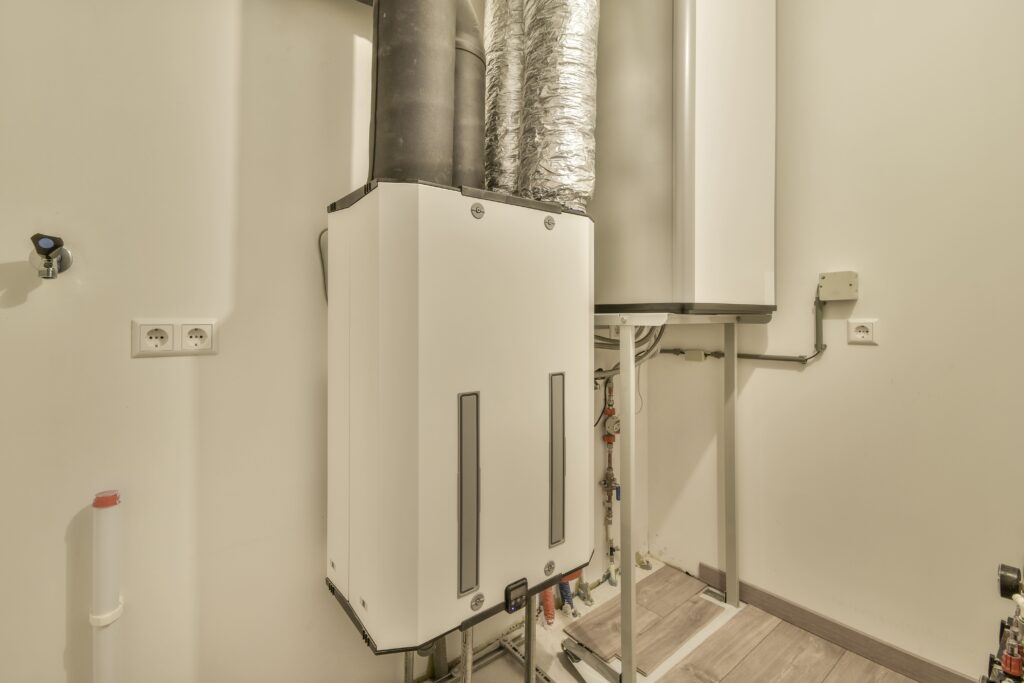
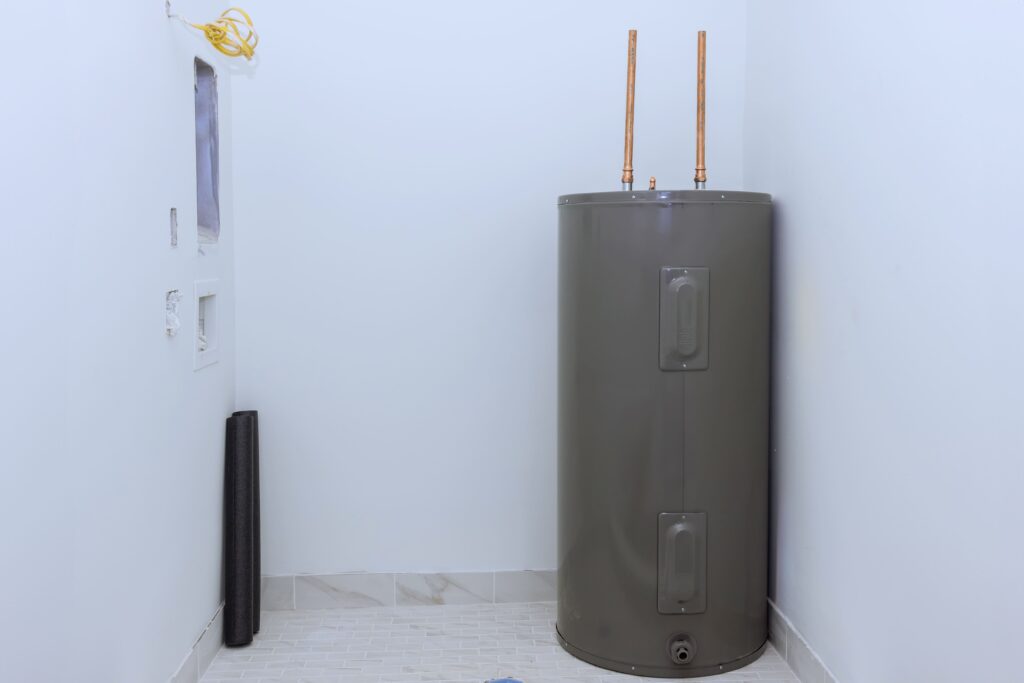
Continuous (instant) hot water systems have become an increasingly popular choice for Australian homes.
However, like any hot water solution, they're not the perfect fit for every household. Understanding both the benefits and potential drawbacks will help you decide whether a continuous flow system suits your home's needs.
One of the biggest advantages of a continuous flow system is that you don't have to worry about running out of hot water. Instead of storing heated water in a tank, the unit heats water as it passes through the system. As long as the tap is running and the system is operating within its capacity, you'll have a continuous supply of hot water.
Other key benefits include:
While continuous flow systems offer many advantages, they also have some limitations that homeowners should consider.
Some of the most common drawbacks include:
Storage hot water systems have been a popular choice in Australian homes for decades. By heating and storing a set volume of water in an insulated tank, they're designed to have hot water ready whenever you need it. While they're a reliable and cost-effective option for many households, they also come with a few limitations worth considering.
One of the biggest strengths of a storage hot water system is its ability to supply multiple outlets at the same time. As long as there is enough hot water in the tank, several people can shower or use hot water appliances simultaneously without experiencing a drop in water pressure.
Despite their reliability, storage systems can be less energy efficient than continuous flow units because they continuously work to maintain the temperature of the stored water, even when no hot water is being used.
Upfront cost is what most homeowners focus on, but the more useful number is the total cost of ownership over the system's lifespan. A system that's cheaper to buy may cost significantly more to run over time, while a more expensive unit could save you money through lower energy bills and a longer lifespan.
Looking at the total cost of ownership (including purchase price, running costs, and expected lifespan) gives you a much clearer picture of which option offers the best value.
| System Type | Typical Upfront Cost (Unit + Installation) | Estimated Annual Running Cost* | Typical Lifespan | Estimated 10-Year Cost |
| Gas Continuous (Instant) | $1,200–$2,500 | $250–$450 | 15–20 years | $3,700–$7,000 |
| Gas Storage | $900–$1,800 | $400–$600 | 10–15 years | $4,900–$7,800 |
| Electric Storage (Standard Tariff) | $800–$1,500 | $800–$1,200 | 8–12 years | $8,800–$13,500 |
| Electric Storage (Off-Peak Tariff) | $800–$1,500 | $400–$700 | 8–12 years | $4,800–$8,500 |
| Heat Pump Hot Water | $2,500–$4,500 | $200–$400 | 10–15 years | $4,500–$8,500 |
💡Estimated running costs are based on a typical four-person Sydney household. Actual costs will vary depending on your energy provider, tariff, household size, and hot water usage.
If your home has access to natural gas, a continuous (instant) gas hot water system is often the most economical option over the long term. Although the upfront investment is higher than many storage systems, lower running costs and a longer lifespan can make it the better value over 10 to 20 years.
Storage systems generally cost less to install, making them an attractive option if you're replacing a failed unit on a tighter budget. However, electric storage systems, particularly those on standard electricity tariffs, can become much more expensive to run over time due to the energy required to keep the water hot.
Heat pump systems have the highest initial purchase price but offer some of the lowest ongoing running costs, making them a worthwhile investment for homeowners focused on long-term energy savings.
💡Good to know: If you're changing from a storage hot water system to a continuous flow unit (or vice versa), additional plumbing, gas, or electrical work may be required. Depending on your home's setup, this can add approximately $300–$800 to the installation cost.
The right choice comes down to four things: household size, gas availability, space, and whether you are replacing like-for-like or starting fresh. Here is a straightforward breakdown.
A continuous flow gas system is almost always the better choice here. Demand is low, so flow rate limitations are not a concern. The energy savings compound over a longer lifespan, and the compact footprint suits apartments and studios. If gas is not available, a small electric storage system or a single-tap electric instant unit is a reasonable alternative.
This is where the decision gets more nuanced. A quality gas continuous flow unit (look for models rated at 20 litres per minute or more) handles most family demands well, as long as everyone is not showering simultaneously. If your household has peak-time traffic across multiple bathrooms, a 250-litre gas storage system is more reliable.
Recommended Read: What Size Hot Water System Does Your Household Need?
For households running multiple bathrooms simultaneously or with high morning demand, a large storage system (315 to 400 litres) or two continuous flow units in parallel are both viable solutions. Heat pump hot water is worth considering here too: the higher upfront cost is offset by running costs that are similar to gas, without needing a gas connection.
Space is usually the deciding factor in Sydney apartments and Eastern Suburbs terraces. Continuous flow wins here almost by default: a wall-mounted unit the size of a suitcase versus a tank that requires a dedicated outdoor area or hot water cupboard. Many strata buildings also prohibit roof-mounted solar, which removes that option entirely.
From 1 July 2024, new homes in NSW cannot connect to the gas network for space heating, water heating, or cooking. This does not affect existing homes with gas connections, but it does change the picture for new builds and major renovations. If you are building new or doing a significant renovation, electric heat pump hot water is increasingly the go-to recommendation from NSW plumbers, with federal government rebates available to reduce the upfront cost.
Recommended Read: Best Hot Water System for Australian Homes
Choosing a new hot water system isn't something most people do very often, After installing hot water systems across Sydney for years, the Plumberoo team sees the same mistakes repeat. Worth knowing before you sign anything.
Choosing between a continuous (instant) and storage hot water system comes down to your household's needs, budget, and long-term priorities. If you're looking for greater energy efficiency, a compact design, and an endless supply of hot water, a continuous flow system is often the best choice. On the other hand, if your home has high simultaneous hot water demand or you're working with a tighter upfront budget, a storage system may be the better fit.
The key is choosing a system that's correctly sized for your household and installed by an experienced professional. A well-matched hot water system will provide reliable performance, lower running costs, and years of dependable service.
If you're still unsure which option is right for your home, the team at Plumberoo can help. We'll assess your household's hot water needs, explain your options, and recommend a solution that delivers the best value for your home and budget. Whether you're replacing a failed system or planning an upgrade, we're here to make the process simple and stress-free.